Skip to content
Isaimozhi
Lyrics & meaning

Brindhavana Vennilave

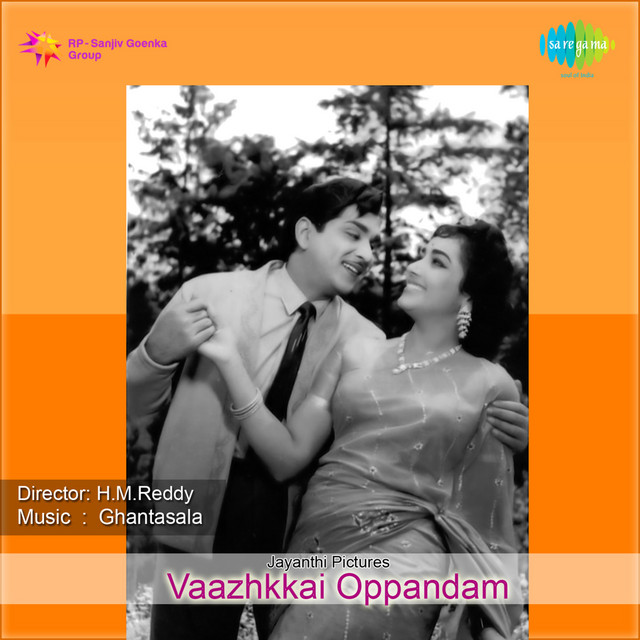
From Vazhkkai Oppandam · 1959

Lyricist
Thanjai N. Ramaiah Dass
Singer
P. Leela
Music director
Ghantasala
Details
Vazhkkai Oppandam1959

Lyrics & meaning

Tanglish lyrics English translation
Female
Brindhavana vennilavaeO white moonlight of Vrindavan,
Baedham innum yaenoWhy is there still this hesitation and distance between us?
Brindhavana vennilavaeO white moonlight of Vrindavan,
Baedham innum yaenoWhy is there still this hesitation and distance between us?
Sundara kalai neeyaeYou are the supreme beautiful art,
Suagm thandhidum silai naaneAnd I am the sculpture that yields bliss.
Brindhavana vennilavaeO white moonlight of Vrindavan,
Baedham innum yaenoWhy is there still this hesitation and distance between us?
Female
Kannilaadum vennilaavumAs the bright moon dancing in the eyes
Punnagaiyaal malaraBlossoms through a gentle smile,
Kalai ulaavum raasaleelaiThe divine Raasaleela of artistic beauty strolls,
Gaana manamum kuliraCooling the soul with melodious song.
Kannilaadum vennilaavumAs the bright moon dancing in the eyes
Punnagaiyaal malaraBlossoms through a gentle smile,
Kalai ulaavum raasaleelaiThe divine Raasaleela of artistic beauty strolls,
Gaana manamum kuliraCooling the soul with melodious song.
Kanna unadhazhaginaaleO Krishna, because of your breathtaking beauty,
Enaiyae marandhenaeI completely forgot my own self.
Brindhavana vennilavaeO white moonlight of Vrindavan,
Baedham innum yaenoWhy is there still this hesitation and distance between us?
Female
Kaalinilae sadhanghai naadhamAs the rhythmic chime of anklet bells on the feet
Kalakalavena kulunghaJingles delightfully,
Kavalai theera kuzhal oosayinTo erase all lingering sorrow, the sweet melody
Iniya gaanam muzhanghaOf the divine flute resonates continuously.
Kaalinilae sadhanghai naadhamAs the rhythmic chime of anklet bells on the feet
Kalakalavena kulunghaJingles delightfully,
Kavalai theera kuzhal oosayinTo erase all lingering sorrow, the sweet melody
Iniya gaanam muzhanghaOf the divine flute resonates continuously.
Kanivaana en manamaeMy tender and compassionate heart
Nilai izhandhae nindrenaeStood captivated, losing all self-control.
Brindhavana vennilavaeO white moonlight of Vrindavan,
Baedham innum yaenoWhy is there still this hesitation and distance between us?
Female
Brindhavana vennilavaeO white moonlight of Vrindavan,
Baedham innum yaenoWhy is there still this hesitation and distance between us?
Male :Sundara kalai neeyaeMale: You are the supreme beautiful art,
Sugam thandhidum silai naanaeAnd I am the sculpture that yields bliss.
Female
Brindhavana vennilavaeO white moonlight of Vrindavan,
Baedham innum yaenoWhy is there still this hesitation and distance between us?

Beyond the translation

Song interpretation

The song 'Brindhavana vennilavae' from the 1959 film 'Vazhkkai Oppandam' is a classic romantic and devotional composition set against the poetic motif of Lord Krishna and Radha in Vrindavan. The lyrics invoke the romantic imagery of Vrindavan's moonlit night, filled with divine dance (Raasaleela), enchanting flute melodies, and jingling anklets that banish all grief. The singer expresses a deep longing for unity, questioning why any hesitation or barrier remains between the lovers when their souls are intertwined like art and sculpture. Composed by Ghantasala and written by Thanjai N. Ramaiah Dass, the song captures the essence of classical Carnatic ragas mixed with accessible film lyricism. The central theme centers on losing oneself in the captivating divine beauty of the beloved, portraying love as a calming, intoxicating experience that transcends worldly worries.

Writing craft

Poetic devices

Metaphor (Uruvagam)

Brindhavana vennilavae / Sundara kalai neeyae

Comparing the lover to 'Vennilave' (bright moonlight) and 'Sundara kalai' (beautiful art), while equating the self to a sculpture giving bliss ('silai naane').

Onomatopoeia (Irattai Kilavi / Anukaran)

Kalakalavena kulungha

'Kalakalavena' imitates the sound of jingling anklets on dancing feet.

Second-letter Rhyming (Edhukai)

Kannilaadum vennilaavum / Punnagaiyaal malara

The second consonant 'na' repeats in consecutive lines ('Kannilaadum' / 'Punnagaiyaal').

Imagery (Visual & Auditory)

Kaalinilae sadhanghai naadham / Kavalai theera kuzhal oosayin

Creates rich imagery of moonlit eyes, smiles blossoming, anklets ringing, and flute songs playing.

Did you know?

Trivia

The film 'Vazhkkai Oppandam' (1959) was directed by K. S. Gopalakrishnan (also known as K. S. G.) and was a bi-lingual release in Tamil and Telugu (as 'Pelli Sandadi'). The legendary Ghantasala composed the score, delivering timeless classical-lite melodies that remain highly celebrated in South Indian film music history.

Keep listening

More from Vazhkkai Oppandam