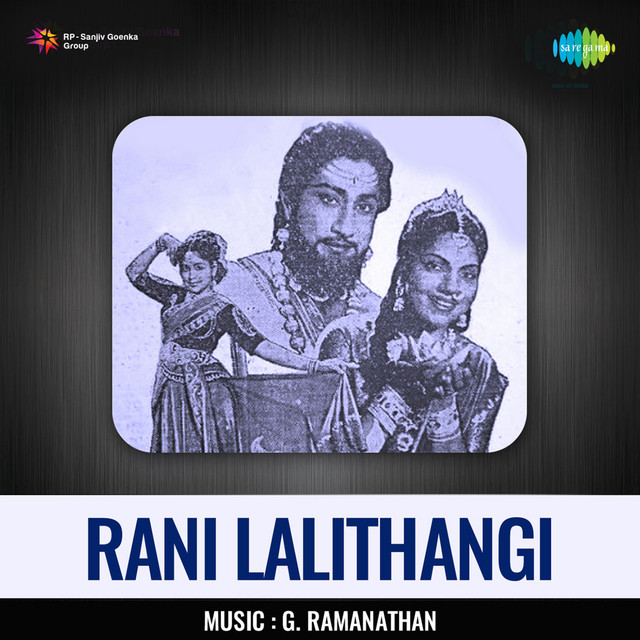
- Lyricist
- Thanjai N. Ramaiah Dass
- Singer
- T. M. Soundararajan
- Music director
- G. Ramanathan
- Movie name
- Rani Lalithangi
- Movie release year
- 1957
- Lyrics added on
- 22 Nov 2023
Lyrics & meaning
Beyond the translation
Overall song meaning
This iconic Tamil devotional hymn dedicated to Lord Shiva (Thillai Ambalavan / Nataraja of Chidambaram) glorifies the supreme omnipresence and divine attributes of God. The song emphasizes that without the divine will of Shiva, not even an atom can move ('Unaiyalaathu orr anuvum asaiyaathu'), highlighting human impermanence and the changing nature of earthly perceptions compared to eternal truth ('Saththiyam'). The lyrics incorporate philosophical questions about Shiva's iconography, such as housing Ganga (Alaimagal) on his head and Parvati (Malaimagal) as half his body (Ardhanarishvara), ultimately concluding that Shiva is the ultimate Brahman and sole refuge in the world.
Writing craft
Poetic devices
Monai (Alliteration)
“Aandavane illaiyae / Alaimagal thalaimeedhil”
Repetition of the initial sound 'Aa' in 'Aandavane' and 'Alaimagal' across stanzas creating musical rhythm.
Edugai (Assonance/Rhyme)
“Alaimagal thalaimeedhil / Malaimagal idappaagam”
Repetition of the second letter 'la' in 'Alaimagal' and 'Malaimagal' forming traditional Tamil rhyming scheme.
Iyaibu (End Rhyme)
“Baktharkal pottruvaar palarunnai thoottruvaar”
Matching endings in lines, such as 'pottruvaar' and 'thoottruvaar'.
Did you know?
Trivia
Rendered by the legendary T. M. Soundararajan in Ragam Hindolam (set by composer G. Ramanathan) for the 1957 film 'Rani Lalithangi', this song remains one of the most celebrated classical film devotionals in Tamil cinema. The line 'Unaiyalaathu orr anuvum asaiyaathu' became a widely quoted proverb in popular Tamil culture.
Keep listening
Songs with a similar feeling
From the same album
More songs from Rani Lalithangi
View albumSpot an issue?
Help us improve the lyrics or English translation.