Skip to content
Isaimozhi
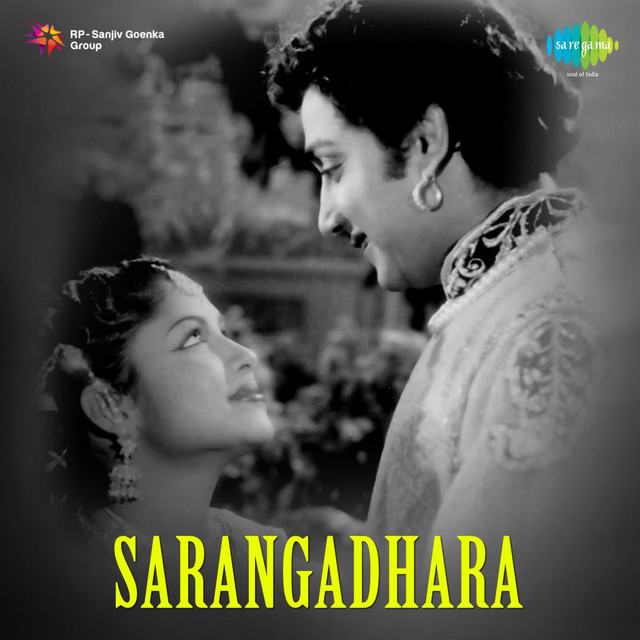
Sarangathara album cover
Lyrics & meaning

Yedhukku Ithanai

From Sarangathara · 1958

Lyricist
A. Maruthakasi
Singer
Radha Jayalakshmi
Music director
G. Ramanathan
Movie name
Sarangathara
Movie release year
1958
Lyrics added on
15 Jan 2026

Lyrics & meaning

♫ Tanglish lyrics
↻ English translation
Yedhukkuithanai modi than
Umakku endhan meedhaiyaa
Yedhukkuithanai modi than
Umakku endhan meedhaiyaa
Aiyaa yedhukkuithanai modi than
Umakku endhan meedhaiyaa
Aiyaa yedhukkuithanai modi than
Umakku endhan meedhaiyaa
Paadhi piraiyai sadaiyil thiritha
Paramane
Paadhi piraiyai sadaiyil thiritha
Paramane thillaipadhi nadaesare
Yedhukkuithanai modi than
Umakku endhan meedhaiyaa
Aattu kaaleduthambalathil nindreer
Adhanai sonnenaenoo
Swaami aattu kaaleduthambalathil nindreer
Adhanai sonnenaenoo
Ottrai mattu kaaran endru yaaroduraayinum
Vaai padham sonnenaenoo
Ottrai mattu kaaran endru yaaroduraayinum
Vaai padham sonnenaenoo
Thalai ottile irandhum veeriyam thandha
Unmaiyai sonnenaenoo
Thalai ottile irandhum veeriyam thandha
Unmaiyai sonnenaenoo
Kannai kaatti muppuramthaan munnae nindra
Kadhaiyum vettri kondathaiyum sonnenaenoo
Yedhukkuithanai modi than
Umakku endhan meedhaiyaa
Jaathiyum thaayum thagappanum illaadha
Thaniyan endraenoo
Jaathiyum thaayum thagappanum illaadha
Thaniyan endraenoo
Pennil paadhi udambaagi kazhum sumandhitta
Paraiyar endraenoo
Pennil paadhi udambaagi kazhum sumandhitta
Paraiyar endraenoo
Jaadhi baedhamaai pillaikku kuravar veettil
Penn kondeer endraenoo
Jaadhi baedhamaai pillaikku kuravar veettil
Penn kondeer endraenoo
Marai oodhi vanangum nadaesare ummai naan
Eppodhum illaadha thippili endraenoo
Yedhukkuithanai modi than
Umakku endhan meedhaiyaa
Azhundhave piramppadi patta kooliyaalar
Endraenoo
Azhundhave piramppadi patta kooliyaalar
Endraenoo
Sasikazhindha vellelum panidha
Pathiyaaaaran endraenoo
Sasikazhindha vellelum panidha
Pathiyaaaaran endraenoo
Katta pazhanthuniyindri tholudutha
Andha haa…aaa..
Katta pazhanthuniyndri tholudutha
Andha pazhipadham yaeno
Siru kuzhandhaiyai kolla aandiyaai vandha
Kuttayellaam velivittu sonnenaenoo
Siru kuzhandhaiyai kolla aandiyaai vandha
Kuttayellaam velivittu sonnenaenoo
Yedhukkuithanai modi than
Umakku endhan meedhaiyaa
Why so much disdain,
my Lord, towards me?
Why so much disdain,
my Lord, towards me?
Oh Lord, why so much disdain,
my Lord, towards me?
Oh Lord, why so much disdain,
my Lord, towards me?
You who wear the crescent moon in your matted hair,
O Supreme Lord!
You who wear the crescent moon in your matted hair,
O Supreme Lord, Natesa of Thillai!
Why so much disdain,
my Lord, towards me?
You stood dancing in the hall with a raised leg,
did I ever bring that up?
Lord, you stood dancing in the hall with a raised leg,
did I ever bring that up?
Did I say you are a mere wanderer with a single bull,
did I utter any harsh words?
Did I say you are a mere wanderer with a single bull,
did I utter any harsh words?
Did I speak of the truth about you begging with a skull bowl,
yet showing such immense power?
Did I speak of the truth about you begging with a skull bowl,
yet showing such immense power?
Did I bring up how you stood before the three demon cities with a mere glance,
and tell the tale of your victory over them?
Why so much disdain,
my Lord, towards me?
Did I call you a lonely soul with no caste,
with neither a mother nor a father?
Did I call you a lonely soul with no caste,
with neither a mother nor a father?
Sharing half your body with a woman and bearing a trident,
did I call you an outcaste?
Sharing half your body with a woman and bearing a trident,
did I call you an outcaste?
Did I mock that you crossed caste lines to take a bride
from a Kuravar (hunter community) home for your son?
Did I mock that you crossed caste lines to take a bride
from a Kuravar (hunter community) home for your son?
O Natesa, worshipped by chanting the Vedas, did I
call you an unprecedented, flawed sinner?
Why so much disdain,
my Lord, towards me?
Did I call you a daily-wage laborer
who was struck hard with a cane?
Did I call you a daily-wage laborer
who was struck hard with a cane?
Adorned with the dry white bones of the dead,
did I call you a madman?
Adorned with the dry white bones of the dead,
did I call you a madman?
Without even an old cloth to wear, wrapped in animal skin—
Ah...
Without even an old cloth to wear, wrapped in animal skin,
did I ever utter those insulting words?
That you came as an ascetic to take a little child's life—
did I expose all your hidden secrets?
That you came as an ascetic to take a little child's life—
did I expose all your hidden secrets?
Why so much disdain,
my Lord, towards me?
Female
Female
Female
Female
Female
Female
Female

Beyond the translation

Overall song meaning

This song is a classic example of 'Nindastuthi'—a traditional poetic device in Indian classical art and devotion where the devotee praises the deity under the guise of apparent blame, mockery, or complaint. The singer asks Lord Nataraja of Chidambaram (Thillai) why he displays such coldness or feigned anger towards her, playfully questioning if she accidentally offended him by speaking of his famous unconventional acts and mythical quirks. Throughout the lyrics, she lists sacred legends of Shiva—begging with a skull bowl, riding a single bull (Nandi), taking a bride from the Kurava tribe for his son Murugan, sharing half his body with Parvati (Ardhanarishvara), taking cane blows as a humble laborer carrying sand in Madurai, and wearing animal skins and snakes. Far from insulting the deity, these teasing rhetorical questions celebrate Lord Shiva's divine humility, transcendence over caste and social norms, and his infinite love for his devotees.

Writing craft

Poetic devices

Nindastuthi (Allegorical Blame as Praise)

Jaathiyum thaayum thagappanum illaadha Thaniyan endraenoo

A major poetic figure in Indian devotional literature where apparent insults (calling Shiva family-less or a beggar) actually highlight his absolute, uncreated, and supreme divine nature.

Rhetorical Questioning (Anaphora)

Adhanai sonnenaenoo / Vaai padham sonnenaenoo

The repeated ending of lines with 'endraenoo' and 'sonnenaenoo' ('Did I say so?') builds emotional rhythm and underlines the playful innocence of the devotee.

Ethugai (Second-letter Rhyme)

Paadhi piraiyai / Paramane thillaipadhi

The second consonant 'dhi' matches in both line segments ('Paadhi' and 'Thillaipadhi'), creating harmony in classical Tamil prosody.

Monai (First-letter Alliteration)

Marai oodhi vanangum nadaesare ummai naan... Eppodhum illaadha thippili endraenoo

Alliteration and complementary sound matching across rhythmic phrases accentuating the Carnatic classical tempo.

Did you know?

Trivia

This composition from the 1958 movie 'Sarangathara' (starring Sivaji Ganesan and P. Bhanumathi) features music composed by the legendary G. Ramanathan and is rendered in a classical Carnatic style by Radha Jayalakshmi. The lyrics, penned by A. Maruthakasi, draw heavily upon traditional South Indian Carnatic Nindastuthi compositions (similar to the famous works of Marimutha Pillai and Anai-Ayya) which are prominently featured in classical Bharatanatyam dance performances.

Keep listening

Songs with a similar feeling

From the same album

More songs from Sarangathara

View album

Spot an issue?

Help us improve the lyrics or English translation.