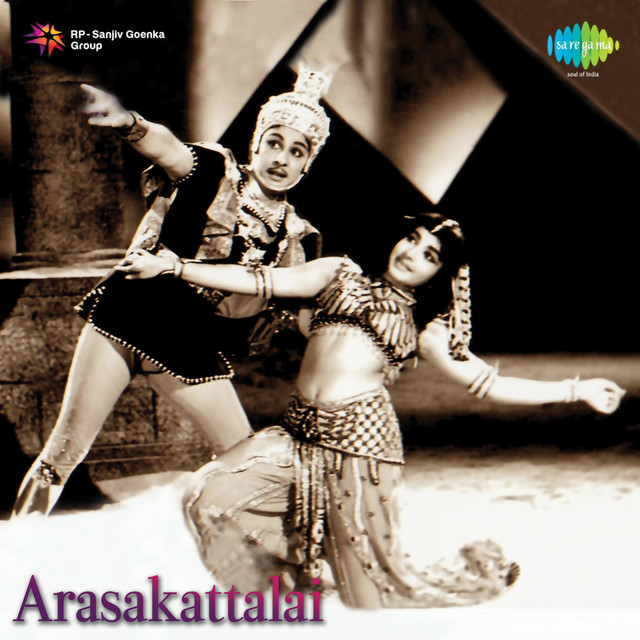
- Lyricist
- Vaali
- Singer
- P. Susheela
- Music director
- K. V. Mahadevan
- Movie name
- Arasa Kattalai
- Movie release year
- 1967
- Lyrics added on
- 18 Sept 2019
Lyrics & meaning
Beyond the translation
Overall song meaning
Panpaadum Paravaiyae is a powerful revolutionary awakening song from the 1967 Tamil film Arasa Kattalai. Addressing the populace metaphorically as a cultured songbird lost in deep slumber, the song laments the loss of historical pride, courage, and self-respect among people who have submitted to passive compliance and spiritual bondage. Lyricist Vaali uses striking imagery to challenge the audience: questioning whether they have forgotten their heroic roots and maternal duties, mistaking poison for nectar and servitude for safety. In the latter verses, the song emphasizes rational thinking, self-respect, and patriotic duty, urging citizens to rise up, claim their rights, and honor the brave heritage passed down by their ancestors.
Writing craft
Poetic devices
Metaphor (Uruvam)
“Panpaadum paravaiyae”
Compares the sleeping, indifferent citizens to a songbird (Panpaadum paravai) that has forgotten its song and culture.
Simile (Uvamaani)
“Nee thaayattra kandru pol aagalaamaa”
Compares a directionless and helpless society to a motherless calf (thaayattra kandru).
Antithesis / Contrast
“Nalla amudhamendru nanjai alli kudikkalaama”
Juxtaposes sweet nectar (amudham) with deadly poison (nanjai) to highlight the folly of embracing servitude.
Alliteration & Rhyme (Monai and Edhugai)
“Kuditha paalil veeram kalandhu”
Utilizes rhythmic repetition of initial consonants (Kuditha / Koduthaal / Kuditha / Kozhai) to build motivational momentum.
Did you know?
Trivia
Arasa Kattalai (1967) is a historic swashbuckler film starring M. G. Ramachandran (MGR), B. Saroja Devi, and J. Jayalalithaa. The music was composed by K. V. Mahadevan and the lyrics were written by Vaali, with playback vocals by T. M. Soundararajan. This song served a dual purpose as a dramatic cinematic element and an ideological anthem for MGR's Dravidian political movement during the pivotal late-1960s period in Tamil Nadu politics.
Keep listening
Songs with a similar feeling
From the same album
More songs from Arasa Kattalai
View albumSpot an issue?
Help us improve the lyrics or English translation.