Skip to content
Isaimozhi
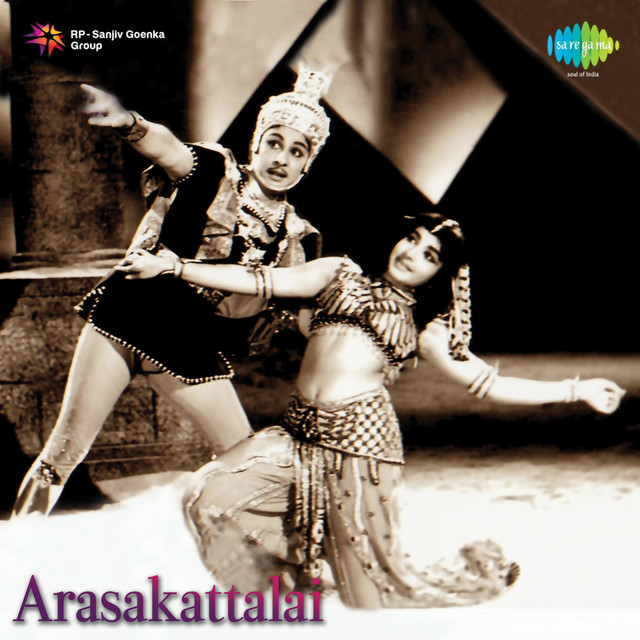
Arasa Kattalai album cover
Lyrics & meaning

Aadiva Aadiva

From Arasa Kattalai · 1967

Lyricist
N. M. Muthukkoothan
Singer
T. M. Soundararajan
Music director
K. V. Mahadevan
Movie name
Arasa Kattalai
Movie release year
1967
Lyrics added on
25 Aug 2019

Lyrics & meaning

♫ Tanglish lyrics
↻ English translation
Aayiram kaigal maraithu nindraalum
Aadhavan maraivadhillai
Aanaigal ittae yaar thadutthaalum
Alai kadal oivadhillai
Aadivaa aadivaa aadivaa
Aada pirandhavalae aadivaa
Pughazh thaeda pirandhavalae
Paadi vaa
Aadivaa aadivaa aadivaa
Aada pirandhavalae aadivaa
Pughazh thaeda pirandhavalae
Paadi vaa
Aadivaa aadivaa aadivaa
{Idaiyennum kodiyaada
Nadamaadi vaa
Kuzhal isai konji vilaiyaada
Nee aadivaa} (2)
Thadai meeri poraada sadhiraadi vaa
Senthamizhae nee pagai vendru
Mudi soodi vaa… aaa…aa…aaa…aaa….aa..
Aadivaa aadivaa aadivaa
Aada pirandhavalae aadivaa
Pughazh thaeda pirandhavalae
Paadi vaa
Aadivaa aadivaa aadivaa
{Mayilaada vaan kozhi
Thadai seivadho
Maanguyil paada kottaangal
Kurai solvadho} (2)
Muyarkoottam singathin edhir nirpadho
Adhan muraiyattra seyalai naam
Varavaerpadho… hoo oo oo ooo oo ooo
Aadivaa aadivaa aadivaa
{Uyirukku nigar indha
Naadallavo
Adhan urimaikku
Uriyavargal naamallavo} (2)
Puyalukkum neruppukkum thirai podavo
Makkal theerppukku edhiraagha
Arasaalavo…hoo oo oo ooo oo ooo..
Aadivaa aadivaa aadivaa
Aada pirandhavalae aadivaa
Pughazh thaeda pirandhavalae
Paadi vaa
Chorus :Aadivaa aadivaa aadivaa
Aadivaa aadivaa aadivaa
Aada pirandhavalae aadivaa
Pughazh thaeda pirandhavalae
Paadi vaa
Aadivaa aadivaa aadivaa
Even if a thousand hands try to hide it,
the sun never disappears.
No matter who issues orders to stop them,
the ocean waves never rest.
Come dance, come dance, come dance!
You who were born to dance, come dance!
You who were born to earn fame,
come singing!
Come dance, come dance, come dance!
You who were born to dance, come dance!
You who were born to earn fame,
come singing!
Come dance, come dance, come dance!
As your slender waist sways like a vine,
come dance along!
As the sweet notes of the flute play,
come and dance!
Defying every hurdle to fight on, come dance!
O pure Tamil, conquer your foes
and come wear the crown! Ah... ah... ah... ah... ah...
Come dance, come dance, come dance!
You who were born to dance, come dance!
You who were born to earn fame,
come singing!
Come dance, come dance, come dance!
When a peacock dances, does a turkey
try to stop it?
When a sweet cuckoo sings, do the owls
dare to find fault?
Can a crowd of rabbits stand before a lion?
And should we ever welcome
their wrongful ways? Hoo oo oo oo oo oo oo...
Come dance, come dance, come dance!
Isn't this land of ours
as precious as our own life?
And to all its rights,
are we not the rightful heirs?
Can anyone put up a curtain against a storm and a fire?
Against the will of the people,
can anyone rule? Hoo oo oo oo oo oo oo...
Come dance, come dance, come dance!
You who were born to dance, come dance!
You who were born to earn fame,
come singing!
Chorus: Come dance, come dance, come dance!
Come dance, come dance, come dance!
You who were born to dance, come dance!
You who were born to earn fame,
come singing!
Come dance, come dance, come dance!
Male
Male
Male
Male
Male
Male
Male
Male
Male

Beyond the translation

Overall song meaning

This iconic song uses the metaphor of art, nature, and majestic power to deliver a strong political and moral message. It asserts that truth, justice, and the power of the people cannot be suppressed by tyranny or artificial barriers, just as a thousand hands cannot block the sun, nor royal decrees stop the ocean waves. Through rhetorical allegories comparing majestic lions to hares and peacocks to turkeys, it encourages standing up against injustice and victory for pure Tamil culture. The song concludes with a powerful democratic declaration that no ruler can govern against the ultimate verdict of the people, emphasizing that liberty and the nation are as precious as life itself.

Writing craft

Poetic devices

Metaphor (Uruvagaimai)

Idaiyennum kodiyaada

Compares the heroine's slender waist directly to a climbing creeper/vine (Idaiyennum kodi).

Rhetorical Question (Vinaa)

Mayilaada vaan kozhi thadai seivadho

Uses rhetorical questions to highlight the absurdity of inferior forces opposing natural greatness, such as a wild turkey blocking a peacock.

Monai (Initial Rhyme / Alliteration)

Aayiram kaigal maraithu nindraalum

Repetition of the initial letter 'Aa' across lines creating rhythmic harmony (Aayiram / Aadhavan / Aanaigal / Alai).

Ethirai (Second Letter Rhyme)

Aayiram kaigal maraithu nindraalum

Rhyming of the second letter 'ya'/'na' across stanzas and lines.

Did you know?

Trivia

Arasa Kattalai (1967) stars M. G. Ramachandran (MGR), Saroja Devi, and Jayalalithaa, with music composed by K. V. Mahadevan. This lyric, written by N. M. Muthukkoothan, contains heavy political imagery aimed at MGR's real-life political messaging, specifically challenging political opposition and hailing the ultimate power of the people's vote.

Keep listening

Songs with a similar feeling

From the same album

More songs from Arasa Kattalai

View album

Spot an issue?

Help us improve the lyrics or English translation.