Skip to content
Isaimozhi
Lyrics & meaning

Jaya Jaya Rama

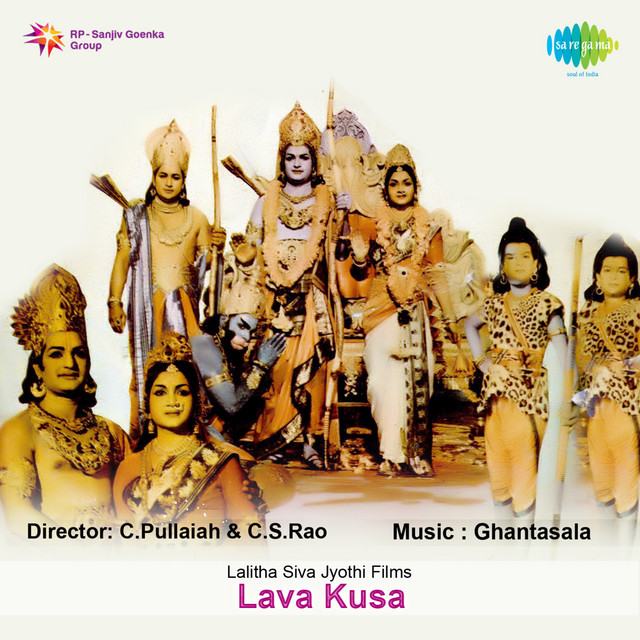
From Lava Kusa · 1963

Lyricist
A. Maruthakasi
Singers
J. V. Raghavulu, Udutha Sarojini, Chorus
Music director
Ghantasala
Details
Lava Kusa1963

Lyrics & meaning

Tanglish lyrics English translation
Male
Jeya jeya raama sree raamaVictory, victory to Rama, auspicious Rama!
Dhsaratha kumar jei jei jeiSon of Dasaratha, victory, victory, victory!
Chorus :Jeya jeya raama sree raamaChorus: Victory, victory to Rama, auspicious Rama!
Dhsaratha kumar jei jei jeiSon of Dasaratha, victory, victory, victory!
Male
Mangala deepa malar mani maarbaaO auspicious lamp, one with a chest adorned with flower garlands and gems!
Mannum vinnum kondaadum pradheepaO radiant light praised by both earth and heaven!
Maha jothiyae saantha swaroopaO supreme light, the embodiment of peace!
Valarndhae un pugazh vaazhga vaazhgaveMay your fame grow and live forever!
Chorus
Mangala deepa malar mani maarbaaO auspicious lamp, one with a chest adorned with flower garlands and gems!
Mannum vinnum kondaadum pradheepaO radiant light praised by both earth and heaven!
Maha jothiyae saantha swaroopaO supreme light, the embodiment of peace!
Valarndhae un pugazh vaazhga vaazhgaveMay your fame grow and live forever!
Male
Jeya jeya raama sree raamaVictory, victory to Rama, auspicious Rama!
Dhsaratha kumar jei jei jeiSon of Dasaratha, victory, victory, victory!
Chorus : Jeya jeya raama sree raamaChorus: Victory, victory to Rama, auspicious Rama!
Dhsaratha kumar jei jei jeiSon of Dasaratha, victory, victory, victory!
Male
Kallaiyum pennaai aakkiya paadhaO sacred feet that transformed even a stone into a woman!
Karunai pongum thirumaamagal naadhaaO Lord of Lakshmi overflowing with mercy!
Kalavaanarin kaaviya porulaeO divine subject of Sage Valmiki's epic poem!
Ulagil un pugazh oonghi vaazhgaveMay your fame rise high and flourish in the world!
Chorus
Kallaiyum pennaai aakkiya paadhaO sacred feet that transformed even a stone into a woman!
Karunai pongum thirumaamagal naadhaaO Lord of Lakshmi overflowing with mercy!
Kalavaanarin kaaviya porulaeO divine subject of Sage Valmiki's epic poem!
Ulagil un pugazh oonghi vaazhgaveMay your fame rise high and flourish in the world!
Male
Jeya jeya raama sree raamaVictory, victory to Rama, auspicious Rama!
Dhsaratha kumar jei jei jeiSon of Dasaratha, victory, victory, victory!
Chorus :Jeya jeya raama sree raamaChorus: Victory, victory to Rama, auspicious Rama!
Dhsaratha kumar jei jei jeiSon of Dasaratha, victory, victory, victory!

Beyond the translation

Song interpretation

This devotional song from the epic mythological film Lava Kusa (1963) is a extolment of Lord Rama sung by his twin sons Lava and Kusa. The song glorifies Rama as the virtuous son of Dasaratha, describing him as a divine light worshipped by both earth and heaven. It praises his supreme tranquil nature, his compassionate feet that redeemed Ahalya from a stone back into a woman, and his eternal divinity as the Lord of Goddess Lakshmi. Furthermore, the lyricist honors Rama as the central hero of Sage Valmiki's grand epic, Ramayana. Through repeated choruses wishing eternal victory to Rama, the young princes pray for Lord Rama's fame and righteous glory to endure for eternity across all worlds.

Writing craft

Poetic devices

Monai (Initial Alliteration)

Mangala deepa malar mani maarbaa

Repetition of the initial 'M' consonant across words creates a melodic cadence.

Edhugai (Second Letter Rhyme)

Kallaiyum pennaai aakkiya paadha / Kalavaanarin kaaviya porulae

Harmony in the second letter 'l' across successive lines establishes a balanced rhyming pattern.

Metaphor (Roopakam)

Mangala deepa malar mani maarbaa

Lord Rama is directly metaphorized as an auspicious lamp ('Mangala deepa') and a supreme light ('Maha jothiyae').

Mythological Allusion

Kallaiyum pennaai aakkiya paadha

Refers to the well-known episode from the Ramayana where Lord Rama's holy touch restored Ahalya from her stone curse.

Did you know?

Trivia

Lava Kusa (1963) was a landmark musical epic produced in South India and the first full-length Eastmancolor feature film in Telugu and Tamil cinema. Composed by legendary musician Ghantasala, the soundtrack remains iconic for its classic Carnatic-based melodies and devotional grandeur.

Keep listening

More from Lava Kusa