Skip to content
Isaimozhi
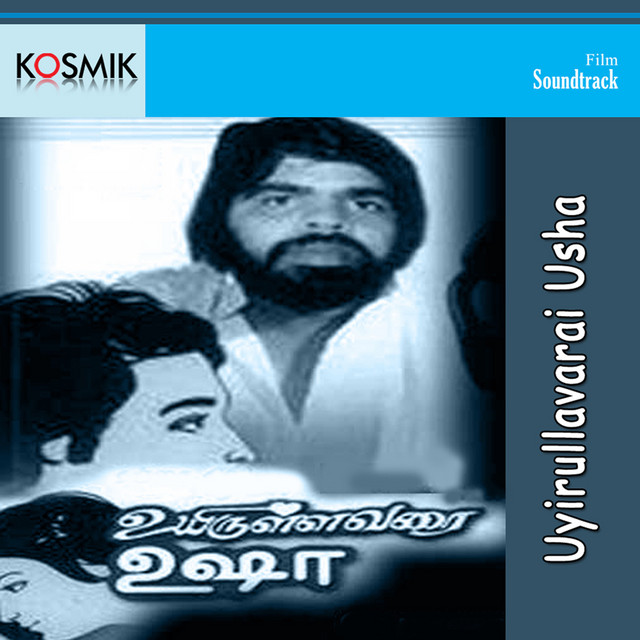
Uyirullavarai Usha album cover
Lyrics & meaning

Ithayamathai Kovil Endren

From Uyirullavarai Usha · 1983

Lyricist
T. Rajendar
Singer
K. J. Yesudas
Music director
T. Rajendar
Movie name
Uyirullavarai Usha
Movie release year
1983
Lyrics added on
27 Mar 2020

Lyrics & meaning

♫ Tanglish lyrics
↻ English translation
Idhayamathai kovil endraen
Nee devi endraen yerkkavillai
Uyirulla varai paadiduven
Unn ninaivu enakku marakkavillai
Ninaivenakku marakkavillai
Idhayamathai kovil endraen
Nee devi endraen yerkkavillai
Uyirulla varai paadiduven
Unn ninaivu enakku marakkavillai
Ninaivenakku marakkavillai
Devathai nee ena ninaithu
Kavithaigal aayiram vadithu
Devathai nee ena ninaithu
Kavithaigal aayiram vadithu
Raagathil naan adhai padithu
Un rasanaiyai ketkkindra podhu
Nee sevidrendru nadigindra maadhu
Naan siripadhu vaazhvinil yedhu
Idhayamathai kovil endraen
Nee devi endraen yerkkavillai
Uyirulla varai paadiduven
Unn ninaivu enakku marakkavillai
Ninaivenakku marakkavillai
En viruppathil udhirvathu neeraa
Un veruppinil therivathu neruppaa
En viruppathil udhirvathu neeraa
Un veruppinil therivathu neruppaa
Neer pattu neruppathu anaiyum
Un veruppendru en mel theerum
Nee anaithidum naalinai paarppen
Illai uyirinai anaiththittu poven
Ivan viruppathil udhirvathu neeraa
Ival veruppinil therivathu neruppaa
Neer pattu neruppathu anaiyum
Ival veruppindru ivan mel theerum
Ival anaithidum naalinai paarkka
…………………………………….
…………………………………….
I called my heart a temple,
and called you its goddess, but you did not accept it.
As long as I live, I will keep singing;
I have not forgotten your memory.
I called my heart a temple,
and called you its goddess, but you did not accept it.
As long as I live, I will keep singing;
I have not forgotten your memory.
Thinking of you as an angel,
and crafting a thousand poems,
thinking of you as an angel,
and crafting a thousand poems,
as I sing them to a melody
and ask how you like them,
you are a woman who pretends to be deaf.
You are a woman who pretends to be deaf.
How can there be any laughter in my life?
I called my heart a temple,
and called you its goddess, but you did not accept it.
As long as I live, I will keep singing;
I have not forgotten your memory.
Is it water falling from my longing?
Is it fire burning in your hatred?
Is it water falling from my longing?
Is it fire burning in your hatred?
When touched by water, that fire will go out;
when will your hatred towards me end?
I will wait for the day you embrace me,
or else I will put out my life and be gone.
Is it water falling from his longing?
Is it fire burning in her hatred?
When touched by water, that fire will go out;
today, her hatred towards him will end,
to see the day she embraces him...
...
...
Male
Male
Male
Male
Male
Female
Chorus
Female

Beyond the translation

Overall song meaning

This poignant song expresses the deep pain of unrequited love and devotion. The protagonist compares his heart to a sacred temple and his beloved to a goddess, yet mourns that she refuses to acknowledge his pure affection. Despite her cold indifference and pretense of ignoring his artistic expressions, he vows to continue singing his sorrow as long as he lives, trapped in the memory of his love.

Writing craft

Poetic devices

Metaphor (Uruvagamm)

Idhayamathai kovil endraen

The speaker compares his heart to a temple ('Idhayamathai kovil endraen') and his beloved to a deity/angel ('Nee devi endraen', 'Devathai nee').

Contrast / Antithesis (Muran)

En viruppathil udhirvathu neeraa / Un veruppinil therivathu neruppaa

Contrasting 'Neer' (water representing tears/desire) with 'Neruppu' (fire representing hatred/anger) to illustrate the clash of emotion.

Monorhyme / Second-letter Rhyming (Edhukai)

En viruppathil udhirvathu neeraa

Rhyming of second syllables in Tamil poetry, seen in 'viruppathil' and 'veruppinil'.

Did you know?

Trivia

The film 'Uyirullavarai Usha' (1983) was written, directed, composed, and produced by multi-talented artist T. Rajendar, starring himself alongside Ganga and Saritha. The soundtrack became a massive hit in Tamil Nadu during the early 1980s.

Keep listening

Songs with a similar feeling

From the same album

More songs from Uyirullavarai Usha

View album

Spot an issue?

Help us improve the lyrics or English translation.