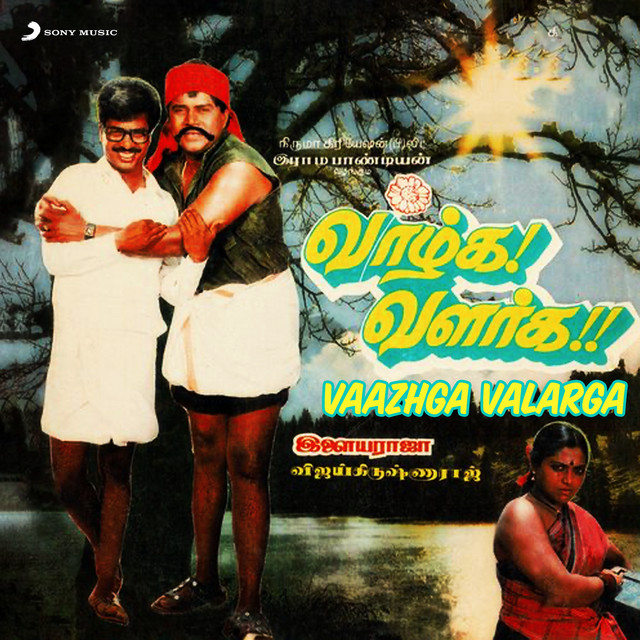
Appodhu Nalla Thangaa
From Vaazhga Valarga · 1987
- Lyricist
- Isaignani Ilayaraja
- Singer
- K. S. Chithra
- Music director
- Ilayaraja
- Details
- Vaazhga Valarga1987
Lyrics & meaning
| ♫ Tanglish lyrics | ↻ English translation |
|---|---|
| Female | |
| Appodhu nalla thangaa | Then, the virtuous Thanga... |
| Elang kodiyum… | The tender vine-like mother... |
| Ovvoru makkalaai thallinaa | Pushed each of her children... |
| Kenathukkullae… | Into the deep well... |
| Odiya thalai maganum… | The eldest son who ran up... |
| Uthamikkae uraippaan… | Pleaded with the virtuous mother... |
| Ennai thaan kollaadhae | Do not kill me... |
| Ennai petra maadhaavae… | Oh mother who gave birth to me... |
| Female | |
| Oru pillai petru | Having given birth to a single child, |
| Ulagathaiyae aalalaiyaa | Could one not rule the entire world? |
| Ezhu pillai petrumallo | Yet despite giving birth to seven children, |
| Ezhai madhi aanaai ammaa | You have lost your wisdom to poverty, mother. |
| Maadu maechu kanji koduppen maadhaavae | I will graze cattle and bring you porridge, mother, |
| Ennai thaan kollaa venam | Please do not kill me... |
| Ennai petra maadhaavae… | Oh mother who gave birth to me... |
அப்போது நல்லதங்கா
எளங்கொடியும்...
ஒவ்வொரு மக்களாய் தள்ளினா
கெணத்துக்குள்ளே...
ஓடிய தலைமகனும்...
உத்தமிக்கே உரைப்பான்...
என்னைத்தான் கொல்லாதே
என்னைப் பெற்ற மாதாவே...
Then, the virtuous Thanga...
The tender vine-like mother...
Pushed each of her children...
Into the deep well...
The eldest son who ran up...
Pleaded with the virtuous mother...
Do not kill me...
Oh mother who gave birth to me...
ஒரு பிள்ளை பெற்று
உலகத்தையே ஆளலையா
ஏழு பிள்ளை பெற்றுமல்லோ
ஏழை மதி ஆனாய் அம்மா
மாடு மேச்சு கஞ்சி கொடுப்பேன் மாதாவே
என்னைத்தான் கொல்லாதே
என்னைப் பெற்ற மாதாவே...
Having given birth to a single child,
Could one not rule the entire world?
Yet despite giving birth to seven children,
You have lost your wisdom to poverty, mother.
I will graze cattle and bring you porridge, mother,
Please do not kill me...
Oh mother who gave birth to me...
Appodhu nalla thangaa
Then, the virtuous Thanga...
Elang kodiyum…
The tender vine-like mother...
Ovvoru makkalaai thallinaa
Pushed each of her children...
Kenathukkullae…
Into the deep well...
Odiya thalai maganum…
The eldest son who ran up...
Uthamikkae uraippaan…
Pleaded with the virtuous mother...
Ennai thaan kollaadhae
Do not kill me...
Ennai petra maadhaavae…
Oh mother who gave birth to me...
Oru pillai petru
Having given birth to a single child,
Ulagathaiyae aalalaiyaa
Could one not rule the entire world?
Ezhu pillai petrumallo
Yet despite giving birth to seven children,
Ezhai madhi aanaai ammaa
You have lost your wisdom to poverty, mother.
Maadu maechu kanji koduppen maadhaavae
I will graze cattle and bring you porridge, mother,
Ennai thaan kollaa venam
Please do not kill me...
Ennai petra maadhaavae…
Oh mother who gave birth to me...
Beyond the translation
Song interpretation
This song captures the heart-wrenching climax of the traditional Tamil folk legend of Nallathangal. Overcome by extreme famine, poverty, and humiliation, the mother decides to throw her seven children into a well to end their suffering before ending her own life. In this excerpt, her eldest son desperately pleads for his life, offering to work hard grazing cattle to earn food for her, while lamenting how severe poverty drove his mother to lose her wisdom and commit such a tragic act.
Writing craft
Poetic devices
Metaphor (Uvamai)
“Elang kodiyum…”
The phrase 'Elang kodi' (tender vine) is a traditional Tamil metaphor used to describe a gentle and delicate woman, contrasting her tender nature with her desperate actions.
Monai (Initial Alliteration)
“Ezhu pillai petrumallo / Ezhai madhi aanaai ammaa”
The words 'Ezhu' and 'Ezhai' start with matching initial vowel sounds ('E'), adhering to classical Tamil poetic meter.
Anaphora / Repetition
“Ennai thaan kollaadhae / Ennai petra maadhaavae…”
The repetition of 'Ennai' (Me) at the beginning of consecutive lines underscores the child's raw, desperate plea for survival.
Did you know?
Trivia
This track is based on 'Nallathangal Kathai', a famous centuries-old Tamil folk ballad belonging to the oral storytelling tradition of Tamil Nadu, which depicts extreme drought, famine, and tragic grief.
Keep listening
More from Vaazhga Valarga
Vaazhga Valarga
Vaazhga Valarga
Vaazhga Valarga
Vaazhga Valarga
Vaazhga Valarga
Vaazhga Valarga