Skip to content
Isaimozhi
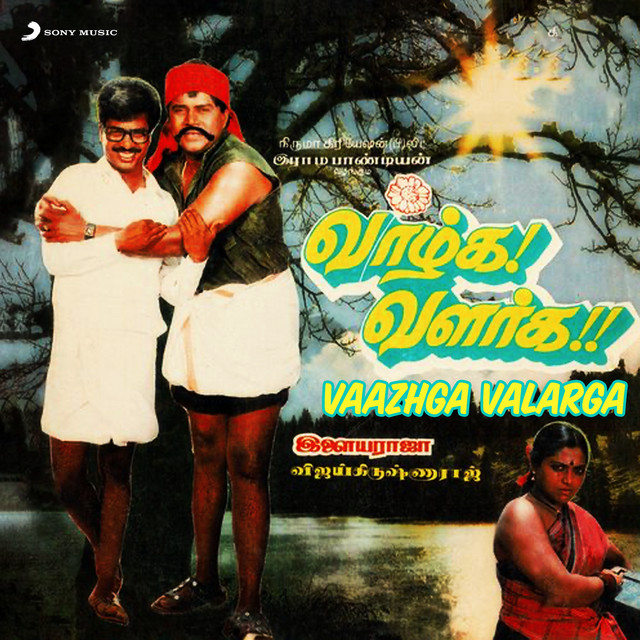
Vaazhga Valarga album cover
Lyrics & meaning

Moonu Vela Soru

From Vaazhga Valarga · 1987

Lyricist
Isaignani Ilayaraja
Singer
S. Janaki
Music director
Ilayaraja
Movie name
Vaazhga Valarga
Movie release year
1987
Lyrics added on
19 Feb 2020

Lyrics & meaning

♫ Tanglish lyrics
↻ English translation
Moonu vaela soru podalaam…
Raaniyaaga ennai aakkalaam…
Moonu vaela soru podalaam…
Raaniyaaga ennai aakkalaam…
Nenjathula nimmadhiya maamaa
Alli thara unnaala thaan aagumaa
Moonu vaela soru podalaam…
Raaniyaaga ennai aakkalaam…
{Vaeliyila sikkikkittu
Vaedhanaiya pattukkitten
Thaali illa pottum illa
Pulla kooda pethukkitten} (2)
Ooru sanam kaaladiyil
Em pozhappa thaan midhikkum
Oorukkulla kaathadichaa
Enga kadha thaan parakkum
Ingilaandhu raani enna
Ammanaana saami yenna
Aambalaiyin kaiyil avalum
Adangi thaanae poga venum
Ezha ponnu enna kooda
Raaniyaaga paakkum maamaa
Nenjathula nimmadhiya maamaa
Alli thara unnaala thaan aagumaa
Moonu vaela soru podalaam…
Raaniyaaga ennai aakkalaam…
Moonu vaela soru podalaam…
Raaniyaaga ennai aakkalaam…
{Oora chuthum kannu kutti
Saendhukkitta aattu kutti
Onna ippa vittu puttu
Ooru maeya povadhenna} (2)
Naan pudicha kannu kutti
Adhu pudicha aattu kutti
Vattam pottu vandhadhenna
Kaiya vittu ponadhenna
Kai thunaiyaa yaarum illa
Thaayum onnu pillaiyum onnu
Aathukkulla pogudhammaa
Kaagidhathu parisal mela
Yaaru kadha enakkedhukku
En kadhaiya kettu paaru
Nenjathula nimmadhiya maamaa
Alli thara unnaala thaan aagumaa
Moonu vaela soru podalaam…
Raaniyaaga ennai aakkalaam…
Moonu vaela soru podalaam…
Raaniyaaga ennai aakkalaam…
Nenjathula nimmadhiya maamaa
Alli thara unnaala thaan …..
You can feed me three meals a day...
You can make me a queen...
You can feed me three meals a day...
You can make me a queen...
Peace of mind in my heart, my dear,
Are you truly able to shower me with it?
You can feed me three meals a day...
You can make me a queen...
Getting caught in a thorny fence,
I have suffered so much pain.
With no thaali (sacred wedding thread) and no pottu (forehead mark),
I even gave birth to a child.
Under the feet of the townspeople,
my life gets trampled upon.
Whenever the wind blows in this town,
it is our story that flies around as gossip.
Be it the Queen of England,
or be it the goddess herself,
in the hands of a man, even she
must ultimately submit and yield.
Even a poor girl like me,
you treat like a queen, my dear.
Peace of mind in my heart, my dear,
are you truly able to shower me with it?
You can feed me three meals a day...
You can make me a queen...
You can feed me three meals a day...
You can make me a queen...
A calf wandering around town,
and a little goat that joined along with it.
Leaving you behind now,
why does it wander off to graze elsewhere?
The calf that I held on to,
and the little goat it held on to—
how did they circle around,
and how did they slip out of my hands?
There is no one to hold my hand and support me,
just a mother and a child,
drifting into the river
upon a fragile paper boat.
Why should I care about anyone else's story?
Just listen to my story and see!
Peace of mind in my heart, my dear,
are you truly able to shower me with it?
You can feed me three meals a day...
You can make me a queen...
You can feed me three meals a day...
You can make me a queen...
Peace of mind in my heart, my dear,
Can you really give it to me...?
Female
Female
Female
Female
Female
Female
Female
Female
Female

Beyond the translation

Overall song meaning

The song is a poignant, emotion-filled narrative of a woman confronting the harsh realities of life, societal stigma, and emotional longing. While a man might provide material comforts such as regular food and high status ('treating her like a queen'), she emphasizes that true peace of mind ('Nenjathula nimmadhi') cannot easily be given. She laments her plight of being trapped in a life of social dishonor—bearing a child out of wedlock ('thaali illa pottum illa')—and how public gossip and social judgment trample on her dignity. Through rural metaphors like stray calves, goats, and a fragile paper coracle floating down a river, she conveys her deep sense of vulnerability, abandonment, and existential helplessness. She highlights the universal condition of women across all strata of society being controlled by men, while pleading for genuine peace and asking society to listen to her painful reality.

Writing craft

Poetic devices

Metaphor (Uruvagamm)

Kaagidhathu parisal mela

The image of a mother and child riding on a 'paper boat/coracle' (Kaagidhathu parisal) on a river symbolizes the extremely fragile, precarious nature of their existence in society.

Contrast (Edhiri)

Moonu vaela soru podalaam… / Raaniyaaga ennai aakkalaam…

Contrasts superficial material comfort ('three meals', 'status of a queen') against the inner psychological need for peace of mind ('Nenjathula nimmadhi').

Folk Allegory

Oora chuthum kannu kutti / Saendhukkitta aattu kutti

Uses innocent farm animals ('kannu kutti', 'aattu kutti') as an allegory for human companionship, wanderlust, betrayal, and separation.

Rhyme / Monai-Yedhugai (Tamil Assonance & Consonance)

Vaeliyila sikkikkittu / Vaedhanaiya pattukkitten

Couplets use internal rhyming structure ('Vaeliyila sikkikkittu' / 'Vaedhanaiya pattukkitten') typical of folk ballad style.

Did you know?

Trivia

The lyrics for this song were penned by Isaignani Ilaiyaraaja himself for the film 'Vaazhga Valarga' (1987). Ilaiyaraaja is widely known for integrating authentic rural Tamil folklore idioms and metaphors into his lyrics.

Keep listening

Songs with a similar feeling

From the same album

More songs from Vaazhga Valarga

View album

Spot an issue?

Help us improve the lyrics or English translation.