Skip to content
Isaimozhi
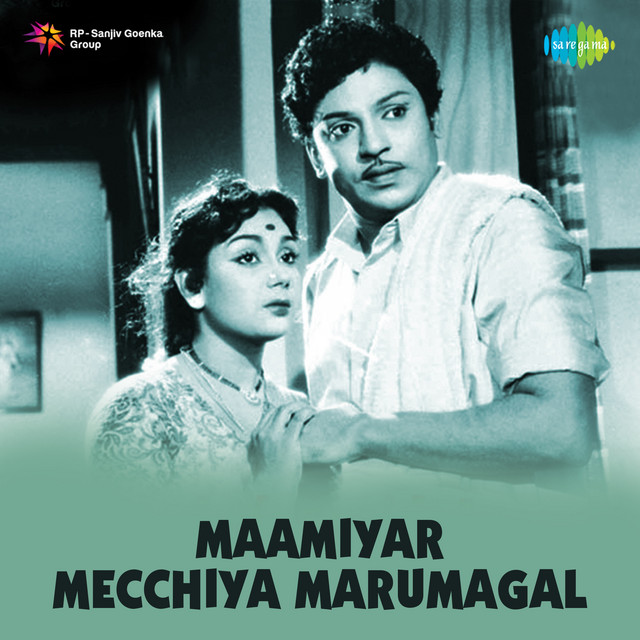
Mamiyar Mechiya Marumagal album cover
Lyrics & meaning

Yokkiyan Enbavan Ulagathile

From Mamiyar Mechiya Marumagal · 1959

Lyricist
Udumalai Narayanakavi
Singer
T. M. Soundararajan
Music director
R. Sudharsanam
Movie name
Mamiyar Mechiya Marumagal
Movie release year
1959
Lyrics added on
11 Oct 2024

Lyrics & meaning

♫ Tanglish lyrics
↻ English translation
Vakkalae pirar vaazhvai keduthae vaazhvaaro
Hoo ooo
Manathaalae kedukka vazhi paarthae iruppaaroo
Hooo oo
Yakkaiyin balathaalae adithu pizhaipparoo
Allamaal nalloorai ariyaen paraparamae
Yogiyan enbavan ulagathilae
Oruthanum kedaiyathu
Parama yogiyan enbavan ulagathilae
Oruthanum kedaiyathu
Aiyaa oruthanum kedaiyathu
Yedhoo undunnu sonna
Avanukku moonum irukkadhu
Mani penn aasai ponn aasai
Indha moonum irukkadhu
Aasaiyinaale porandhu valarnthathu
Ariya maanidar porappu
Adhu sadharanam aanadhum
Avasiyamaandhum kaasu panam kai iruppu
Andha kasu panam thannai
Kanniyamaagavae kai therndhu
Varumvarai sirappu
Idhai kavanithu paaru
Uruttukkum poratukkum
Thiruttukullae than nadakuthu polappu
Yogiyan enbavan ulagathilae
Oruthanum kedaiyathu
Aiyaa oruthanum kedaiyathu
Yedhoo undunnu sonna
Avanukku moonum irukkadhu
Mani penn aasai ponn aasai
Indha moonum irukkadhu
Illadha kodumai
Yemattra therindhavan
Iruttil poduraan …
Latchakanakkilae
Kaimathi kaimaathi
Instalment aaguraan panam……
Kallan endra peraal kaanadha podhu
Katharithuedukraan ponnu
Perum kallan endra peraal kaanadha podhu
Katharithuedukraan ponnu
Kazhuthil katharithuedukraan ponnu
Nagai kadaiyinil vechukittu
Kallaala urasikittu
Karaikkira chetty avan kannu
Idhil yogiyan enbavan ulagathilae
Oruthanum kedaiyathu
Aiyaa oruthanum kedaiyathu
Yedhoo undunnu sonna
Avanukku moonum irukkadhu
Mani penn aasai ponn aasai
Indha moonum irukkadhu
Theerkka tharisi pala noor aandile
Deivam pola vandhu porakalam
Haa..aaa…haa..aa
Theerkka tharisi pala noor aandile
Deivam pola vandhu porakalam
Pesum buthar gandhiyai polae
Sethum sagathu irukkalam
Baaki yulla aatkalai ellam
Pagutharivodu paarkalaam
Parppaan vallavan theetiyabadi
Oru payal undaa sollu ketkalam
Yogiyan enbavan ulagathilae
Oruthanum kedaiyathu
Aiyaa oruthanum kedaiyathu
Yedhoo undunnu sonna
Avanukku moonum irukkadhu
Mani penn aasai ponn aasai
Indha moonum irukkadhu
Do people live by ruining others' lives with their words?
Oh-oh-oh!
Do they constantly plot in their minds to destroy others?
Oh-oh!
Do they survive by beating down others with physical force?
Except for them, I know of no good souls, O Lord!
An honest man in this world,
there is not a single one!
A truly honest man in this world,
there is not a single one!
Sir, there is not even one!
But if someone claims there is one,
he would not have these three:
desire for land, desire for women, and desire for gold—
he would not have any of these three!
Born and raised through desire
is this precious human life.
Though that is only natural,
having cash in hand is also a necessity.
And that money,
when earned with dignity and honest skill,
is noble as long as it lasts.
But just take a look at this:
between cunning tricks and lies,
people run their lives entirely on cheating!
An honest man in this world,
there is not a single one!
Sir, there is not even one!
But if someone claims there is one,
he would not have these three:
desire for land, desire for women, and desire for gold—
he would not have any of these three!
What an unthinkable wickedness!
The man who knows how to swindle
operates in the dark...
Making deals in the hundreds of thousands,
passing cash from hand to hand,
and then paying it back only in installments...
In the name of a thief, when no one is looking,
he snips away and steals the gold!
A master thief, when no one is looking,
snips away and steals the gold,
he cuts and snatches the gold right off the neck!
Displaying it in the jewelry shop,
testing it against the touchstone,
the cunning trader cheats right before your eyes!
In such a place, an honest man in this world,
there is not a single one!
Sir, there is not even one!
But if someone claims there is one,
he would not have these three:
desire for land, desire for women, and desire for gold—
he would not have any of these three!
A true visionary, once in many hundreds of years,
might be born like a divine soul.
Ha... ah... ha... ah...
A true visionary, once in many hundreds of years,
might be born like a divine soul.
Like the Buddha and Gandhi we speak of,
they may live forever even after death.
But as for all the remaining people,
let us look at them with rational eyes.
By the standards drawn up by the wise,
is there even one fellow who lives? Tell me, let's hear!
Is there even one fellow? Tell me, let's hear!
An honest man in this world,
there is not a single one!
Sir, there is not even one!
But if someone claims there is one,
he would not have these three:
desire for land, desire for women, and desire for gold—
he would not have any of these three!
Male
Male
Male
Male
Male
Male
Male
Male

Beyond the translation

Overall song meaning

This satirical social commentary song from 'Mamiyar Mechiya Marumagal' (1959) critiques human greed, moral hypocrisy, and the illusion of absolute saintliness. Written by the renowned rationalist poet Udumalai Narayanakavi, the song asserts that no ordinary person in the modern world is completely untainted by the three primal worldly desires ('Moovasai'): money/property, women, and gold. The lyricist exposes how society operates through trickery, financial exploitation, theft, and shady business practices disguised as respectable trades. While acknowledging that once in a few centuries, monumental figures like Buddha or Mahatma Gandhi are born and live on eternally through their ideals, the song urges people to apply rationalism ('Pagutharivu') when evaluating ordinary human beings. It emphasizes that beneath the surface, everyone is driven by self-interest and financial survival, making absolute saints an impossibility among common mortals.

Writing craft

Poetic devices

Iyaipu (End Rhyme)

Avanukku moonum irukkadhu / Indha moonum irukkadhu

The repetitive ending word 'irukkadhu' creates a rhythmic cadence emphasizing the universality of human desires.

Muran (Oxymoron / Paradox)

Sethum sagathu irukkalam

'Sethum' (even after dying) paired with 'sagathu irukkalam' (remaining immortal/alive) creates a poetic paradox describing eternal legacy.

Alliteration (Consonance)

Mani penn aasai ponn aasai

Repetition of nasal sounds ('m', 'n', 'nn') reinforces the traditional Tamil concept of the three primary worldly temptations ('Moovasai').

Satire / Irony (Angatham)

Nagai kadaiyinil vechukittu / Kallaala urasikittu / Karaikkira chetty avan kannu

Irony and satire are used to expose how respectable shopkeepers trick customers and exploit their gold using touchstones.

Did you know?

Trivia

Written by Udumalai Narayanakavi, a pioneering lyricist in Tamil cinema known for infusing Periyar E. V. Ramasamy's Dravidian rationalist and anti-caste philosophy into popular film music. The song makes specific references to Buddha and Mahatma Gandhi to contrast legendary moral icons with ordinary fallible humans who are driven by 'Moovasai' (the three worldly desires).

Keep listening

Songs with a similar feeling

From the same album

More songs from Mamiyar Mechiya Marumagal

View album

Spot an issue?

Help us improve the lyrics or English translation.