- Lyricist
- Udumalai Narayanakavi
- Singer
- S. C. Krishnan
- Music director
- R. Sudharsanam
- Movie name
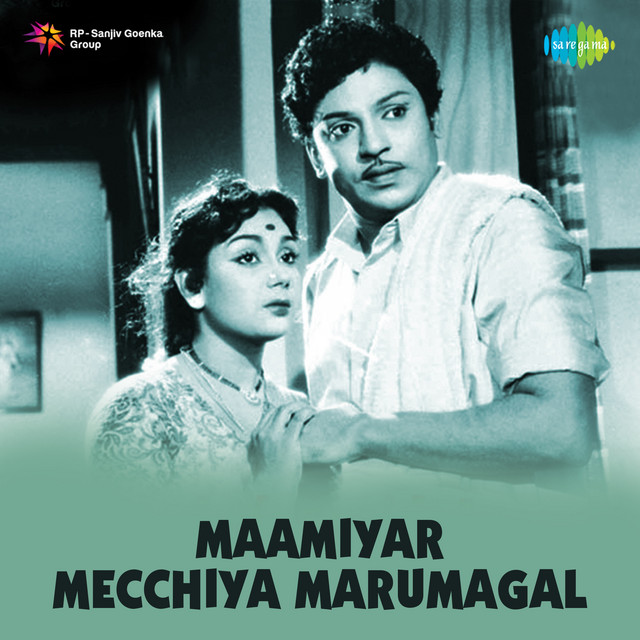
- Mamiyar Mechiya Marumagal
- Movie release year
- 1959
- Lyrics added on
- 17 Oct 2024
Lyrics & meaning
Beyond the translation
Overall song meaning
This philosophical and satirical Tamil folk song, penned by the renowned Dravidian poet Udumalai Narayanakavi, offers a sharp commentary on human existence and social pretenses. Opening with reflections on human birth—how a soul takes physical form after ten months in the womb—it invokes traditional numerical aphorisms of Tamil culture (such as one person needed for penance, two for dialogue/debates, and four to carry a corpse). As the song progresses, it shifts into a humorous yet incisive critique of various trades and professions of the time. The singer critiques debaters, doctors, occultists, astrologers, priests, poets, and artisans, labeling them as deceivers or pretenders who exploit human credulity. Addressed to 'Gyaana Thangam' (a term of endearment meaning 'golden child of wisdom'), the song urges listeners to see through societal hypocrisies and seek true wisdom.
Writing craft
Poetic devices
Ethugai (Second Letter Rhyme)
“Thavathukku oruvaradi / Savathukku naalvaradi”
The second consonant 'va' (வ) rhymes between 'Thavathukku' (penance) and 'Savathukku' (corpse).
Iyaipu (End Rhyme)
“Thavathukku oruvaradi / Thamizhukku iruvaradi / Savathukku naalvaradi”
Lines end with matching rhythmic suffixes ('-adi'), creating a catchy folk cadence.
Monai (Initial Letter Alliteration)
“Poosaari poiyan / Pulavanum poiyan”
Initial consonant sound 'P' repeats at the start of 'Poosaari' and 'Pulavanum'.
Refrain / Addressing Form (Gnaana Thangam Song Genre)
“Gyaana thangamae”
The repeated address 'Gyaana Thangamae' follows the traditional Siddhar folk song style where spiritual advice is delivered to a persona named Gnaana Thangam.
Did you know?
Trivia
This song from 'Mamiyar Mechiya Marumagal' (1959) is written in the classic 'Gnaana Thangam Pattu' folk genre, traditionally used by Tamil Siddhars to impart philosophical truths. Udumalai Narayanakavi, known as 'Kavirayar', adapted this traditional form to infuse Dravidian rationalist ideology and expose social charlatans. Sang by S. C. Krishnan, whose voice was iconic for satirical and comedic folk numbers in 1950s Tamil cinema, the song remains a classic example of social reform lyrics in film music.
Keep listening
Songs with a similar feeling
From the same album
More songs from Mamiyar Mechiya Marumagal
View albumSpot an issue?
Help us improve the lyrics or English translation.