Skip to content
Isaimozhi
Lyrics & meaning

Tharaimel Pirakka

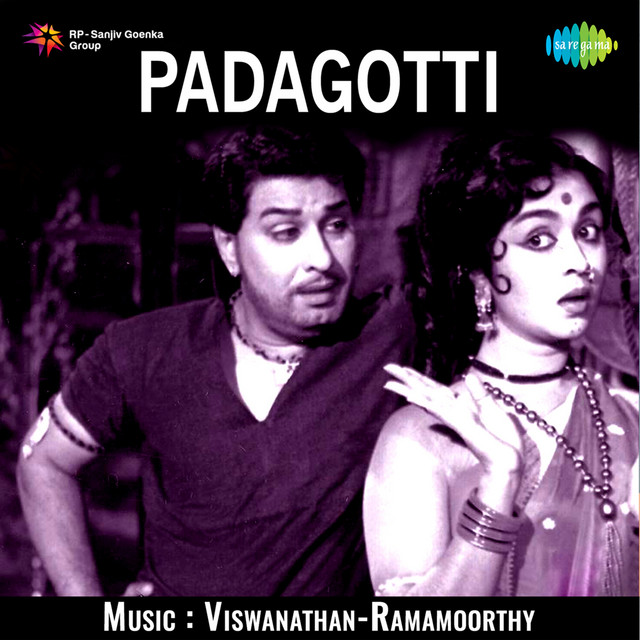
From Padagotti · 1964

Lyricist
Vaali
Singer
T. M. Soundararajan
Music director
Vishwanathan-Ramamoorthy
Details
Padagotti1964

Lyrics & meaning

Tanglish lyrics English translation
Male
Ulagathin thookamWill the world's deep slumber
KalaiyathooooooNever be broken?
Ullathin yekkam tholaiyaathooooWill the heart's longing never vanish?
Uzhaipavar vaazhkai malaraathooooWill the lives of working people never bloom?
Oru naal pozhuthum pularaathooooWill a new dawn not rise even for a single day?
Male
{ Tharai mel piraka{ He made us be born upon the dry land,
Vaithaan Engalai thanneerilYet made us earn our living in the ocean waters;
Pizhaika vaithaanHe made women stay ashore,
Male
Karai mel irukaYet made them constantly bathe
Vaithaan pengalai kanneerilIn their own tears } (2)
Kulika vaithaan } (2)Upon the land,
Male
Tharai melHe caused us to be born.
Piraka vaithaanThe wedded wife,
Male
Kattiya manaiviAnd the baby in the cradle—relationships
Thottil pillai uravaiWere given by Him over there;
Koduthavar angaeUpon the churning sea,
Male
Alai kadal melaeWandering constantly like the waves,
Alaiyaai alainthuHere are those who sacrifice their lives.
Uyirai kodupavar ingae{ The silver moon
Male
{ Velli nilavaeShines as our lamp; the wide ocean itself
Vilakaai eriyum kadalthaanIs our true home } (2)
Engal veedu } (2)If life ends, it ends;
Male
Mudinthaal mudiyumIf it continues, it continues;
Thodarnthaal thodarum{ Such is our fate and life } (2)
{ Idhuthaan engal vaazhkai } (2)He made us be born upon the dry land,
Male
Tharai mel pirakaYet made us earn our living in the ocean waters;
Vaithaan Engalai thanneerilHe made women stay ashore,
Pizhaika vaithaanYet made them constantly bathe
Male
Karai mel irukaIn their own tears.
Vaithaan pengalai kanneerilIn the midst of vast sea waters,
Kulika vaithaanWhen traveling, who is there
Male
Kadalneer naduvaeTo offer a drop of drinking water?
Payanam ponaal kudineerFor those who set out alone,
Tharubavar yaaroooWho comes along as a true companion
Male
Thaniyaai vanthorExcept for pure courage?
Thunivai thavira thunaiyaai{ One day they depart,
Varubavar yaaroooOne day they return, and every single
Male
{ Orunaal povaarDay is filled with deep sorrow } (2)
Oru naal varuvaar ovvoruJust to feed a one-span belly,
Naalum thuyaram } (2)To judge the lives of these hard workers,
Male
Oru jaan vayiraiIt is easy for townsfolk to speak;
Valarpavar uyirai ooraarIt is so easy for outsiders to judge!
Nenaipathu sulabamHe made us be born upon the dry land,
Ooraar nenaipathu sulabamYet made us earn our living in the ocean waters;
Male
Tharai mel pirakaHe made women stay ashore,
Vaithaan Engalai thanneerilYet made them constantly bathe
Pizhaika vaithaanIn their own tears.
Male
Karai mel irukaUpon the land,
Vaithaan pengalai kanneerilHe caused us to be born.
Kulika vaithaanUpon the land,
Male
Tharai melHe caused us to be born.
Piraka vaithaanHe caused us to be born.

Beyond the translation

Song interpretation

The iconic song 'Tharai Mel Pirakka Vaithan' from the 1964 film 'Padagotti' is a powerful lament that portrays the painful realities and existential philosophical outlook of the fishing community. The protagonist questions why fate has decreed such a stark irony for fishermen: born on land, yet forced to risk their lives on the unpredictable sea to earn a basic living, leaving their families ashore in constant anxiety and tears. Through Vaali's evocative pen, the lyrics capture the stark isolation of fishermen who embark on dangerous sea voyages with only courage as their companion, surrounded by boundless water yet deprived of even drinking water. The song reflects a stoic acceptance of mortality while criticizing the casual indifference of society, which easily judges the struggling workers without understanding the life-and-death sacrifices required to survive.

Writing craft

Poetic devices

Antithesis / Contrast (Muran)

Tharai mel piraka vaithaan... thanneeril pizhaika vaithaan

Contrasts being born on dry land ('Tharai') with having to earn a living in water ('Thanneeril'), emphasizing the irony of destiny.

Metaphor (Uruvagaimai)

Velli nilavae vilakaai eriyum kadalthaan engal veedu

Metaphorically frames the vast open sea as their true home and the moon as their domestic lamp.

Irony

Kadalneer naduvae payanam ponaal kudineer tharubavar yaarooo

Highlights the paradox of being surrounded by endless sea water while lacking basic potable drinking water.

Rhyme / Parallelism (Ethirai & Monai)

Mudinthaal mudiyum / Thodarnthaal thodarum

Employs parallel rhythmic structure and internal rhyme in 'Mudinthaal mudiyum / Thodarnthaal thodarum' to signify the endless cycle of life and death.

Did you know?

Trivia

Composed by the legendary duo Viswanathan–Ramamoorthy and sung by T. M. Soundararajan, this song became an anthem for the working-class fishing community in Tamil Nadu. The movie 'Padagotti' starred M. G. Ramachandran (MGR) and Saroja Devi, and this song remains one of lyricist Vaali's most famous philosophical and social commentary masterpieces.

Keep listening

More from Padagotti