- Lyricist
- Mahakavi Subramanya Bharathiyaar
- Singers
- Udutha Sarojini, Chorus
- Music director
- K. V. Mahadevan
- Movie name
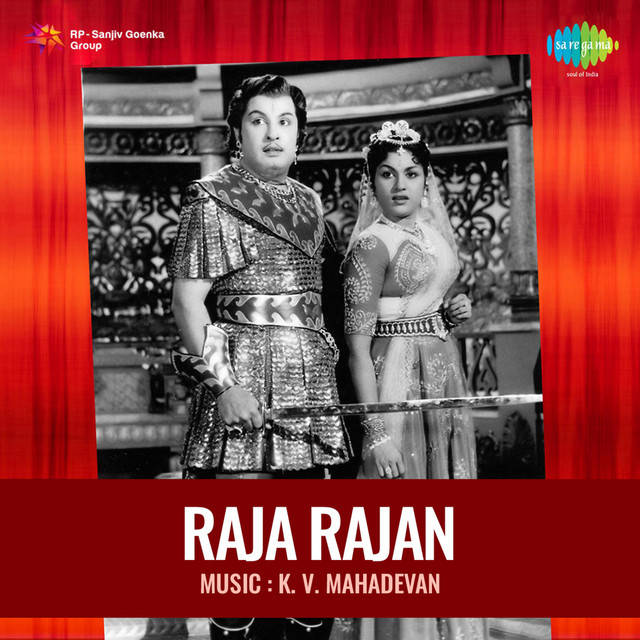
- Raja Rajan
- Movie release year
- 1957
- Lyrics added on
- 5 Nov 2019
Lyrics & meaning
Beyond the translation
Overall song meaning
Senthamizh Naadennum Podhinilae is an iconic patriotic Tamil poem composed by Mahakavi Subramaniya Bharathiyar. The song celebrates the glory, rich cultural heritage, geography, and literary gems of Tamil Nadu. Bharathiyar expresses that merely hearing the name of the Tamil land fills the ears with sweet joy, while speaking of the motherland instills immense strength and energy in one's breath. The poem highlights the major perennial rivers—Kaveri, Pennai, Palar, Vaigai, and Porunai—that make the Tamil land fertile and prosperous. Bharathiyar pays deep homage to immortal literary contributions, such as Thiruvalluvar's Thirukkural which elevated the region's glory to the skies, and Ilango Adigal's Silappathikaram, which he compares to a magnificent necklace of gems adorning the state. Geographically, it defines traditional Tamil boundaries spanning from Kanyakumari in the south to the Venkatam hills in the north, representing a continuous realm of sacred divine glory.
Writing craft
Poetic devices
Metaphor (உருவகம்)
“Inba thaen vandhu paayudhu kaadhinilae”
Compares the sweet, exhilarating sensation of hearing the words 'Tamil Nadu' to sweet honey flowing directly into the ears.
Metaphor (உருவகம்)
“Nenjai allum silappadhigaaram endror Mani aaram padaitha thamizhnaadu”
Compares the literary epic Silappathikaram to a priceless gemstone necklace worn by the motherland.
Personification (உருவகப்படுத்துதல்)
“Neelaa thirai kadal orathilae nindru Nitham thavam sei kumari ellai”
Personifies the southern geographic boundary Kanyakumari as a maiden standing by the blue sea performing daily penance.
Alliteration (மோனை)
“Neelaa thirai kadal orathilae nindru / Nitham thavam sei kumari ellai”
Repetition of the 'N' phonetic sound at the beginning of adjacent words and lines.
Did you know?
Trivia
Composed originally as a poem by the nationalist poet Mahakavi Subramaniya Bharathiyar during the early 20th century, this piece served as a rousing anthem for Tamil cultural pride and Indian independence. It was incorporated into the 1957 Tamil film 'Raja Rajan', starring M. G. Ramachandran (MGR) and P. Bhanumathi, with musical score composed by K. V. Mahadevan.
Keep listening
Songs with a similar feeling
From the same album
More songs from Raja Rajan
View albumSpot an issue?
Help us improve the lyrics or English translation.