Skip to content
Isaimozhi
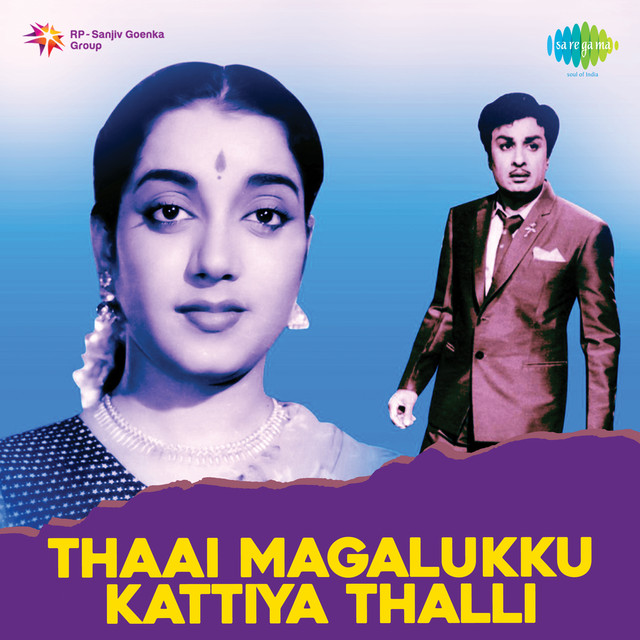
Thaai Magalukku Kattiya Thaali album cover
Lyrics & meaning

Senkarumbu Chatrinile

From Thaai Magalukku Kattiya Thaali · 1959

Lyricist
K. D. Santhanam
Singers
T. M. Soundararajan, A. Nityakala
Music director
T. R. Pappa
Movie name
Thaai Magalukku Kattiya Thaali
Movie release year
1959
Lyrics added on
22 Aug 2021

Lyrics & meaning

♫ Tanglish lyrics
↻ English translation
Sengarumbhu saatrinilae thaen kalandhu
Iniya thellamudhin suvaiyodu kani pizhindhu
Sengarumbhu saatrinilae thaen kalandhu
Iniya thellamudhin suvaiyodu kani pizhindhu
Thingalaiyum thangamodu kalavai thandhu
Aaa…aaa…..haaa…aaa…
Thingalaiyum thangamodu kalavai thandhu
Varaindha sithiramae karpanaiyin arpudhamae
En vizhiyodu vilaiyadum kanavallava
Vizhiyodu vilaiyadum kanavallava
Nenjam maravaamal uravaadum ninaivallavaa
Thengathu moovendhar thol valimaiyum
Seran senguttuvan thambhiyai pol pulamaiyum
Thengathu moovendhar thol valimaiyum
Seran senguttuvan thambhiyai pol pulamaiyum
Manam ennum bodhae inikkum ezhil valamaiyum
Niraindha ennuyirae mannavarae innamudhae
Vizhiyodu vilaiyadum kanavallava
Endhan vizhiyodu vilaiyadum kanavallava
Female :Nenjam maravaamal uravaadum ninaivallavoo
Sindhu paadum thendral veesum inbamana iravae
Male :Endha naalum mangidatha adhamaana nilavae
Endha naalum mangidatha adhamaana nilavae
Anbu maevum kangal pesum vindhai yedho ariyaen
Male :Pongum kaadhal sanganaadham konjudhae saelvizhiyae
Pongum kaadhal sanganaadham konjudhae saelvizhiyae
Jaadhi madham illadha idam
Kaasu panam kaanadha idam
Jaadhi madham illadha idam
Kaasu panam kaanadha idam
Aadhi manidhan vaazhndha idam
Adhuvae kaadhal vaazhum idam
Aadhi manidhan vaazhndha idam
Adhuvae kaadhal vaazhum idam
Thaazhvum uyarvum kidaiyadhu
Thaniyaar udaimai kidaiyadhu
Thaazhvum uyarvum kidaiyadhu
Thaniyaar udaimai kidaiyadhu
Vaazhum urimai ellorkkum
Marukkum vazhakkam kidaiyadhu
Vaazhum urimai ellorkkum
Marukkum vazhakkam kidaiyadhu
Mixing honey into the juice of sweet red sugarcane,
squeezing ripe fruits with the taste of pure nectar,
Mixing honey into the juice of sweet red sugarcane,
squeezing ripe fruits with the taste of pure nectar,
and blending the moon together with pure gold,
Aa... aa... haa... aa...
and blending the moon together with pure gold,
you are a painted portrait, a wonder of imagination!
Aren't you the dream that plays before my eyes?
Aren't you the memory that stays in my heart, never forgotten?
The boundless strength of the three ancient Tamil kings,
the poetic brilliance like that of King Senguttuvan's brother,
the boundless strength of the three ancient Tamil kings,
the poetic brilliance like that of King Senguttuvan's brother,
and a graceful charm that feels sweet just to think of—
filled with all these, my king, my very life, my sweet nectar!
Aren't you the dream that plays before my eyes?
Female: Aren't you the memory that stays in my heart, never forgotten?
On this delightful night where the singing breeze blows,
on this delightful night where the singing breeze blows,
Male: O gentle moon that never fades on any day,
O gentle moon that never fades on any day,
I cannot fathom the wonder spoken by eyes full of love!
Male: The music of overflowing love whispers sweet words, my fish-eyed beauty!
The music of overflowing love whispers sweet words, my fish-eyed beauty!
A place with no caste or religion,
a place untouched by money and wealth,
a place with no caste or religion,
a place untouched by money and wealth,
the place where early humans once lived—
that is the place where love truly dwells!
The place where early humans once lived—
that is the place where love truly dwells!
There is no high or low status,
there is no private property,
there is no high or low status,
there is no private property,
the right to live belongs to everyone,
and there is no practice of denying it!
The right to live belongs to everyone,
and there is no practice of denying it!
Male
Female
Male
Female
Female
Male
Male
Male
Male

Beyond the translation

Overall song meaning

This classic song blends romantic adoration with progressive social commentary. In the opening movement, the lovers exchange poetic praises using rich sensory metaphors of honey, sugarcane, divine nectar, and ancient Tamil glory—specifically referencing Ilango Adigal (the royal brother of Cheran Senguttuvan). As the song evolves, it transcends typical romantic discourse into an idealistic vision of human society. The lovers describe a utopian realm modeled on primitive human existence, free from the burdens of caste, religion, monetary division, social hierarchy, and private ownership, where the right to live belongs equally to all.

Writing craft

Poetic devices

Metaphor (Uvamaani)

Sengarumbhu saatrinilae thaen kalandhu

Compares the sweet presence of the beloved to a mixture of red sugarcane juice, honey, and divine nectar.

Historical Allusion (Varalaatru Kurippu)

Seran senguttuvan thambhiyai pol pulamaiyum

Alludes to Prince Ilango Adigal, brother of King Cheran Senguttuvan and author of the epic Silappatikaram, to signify deep scholarly wisdom.

Visual Imagery (Katchi Uvamaani)

Varaindha sithiramae karpanaiyin arpudhamae

Addresses the beloved as a painted masterpiece and a marvel born of imagination.

Social Idealism / Utopia (Samudhaya Sindhanai)

Jaadhi madham illadha idam / Kaasu panam kaanadha idam

Employs antithetical structures to contrast modern social divides (caste, religion, money) with primitive egalitarian harmony.

Did you know?

Trivia

The line 'Seran senguttuvan thambhiyai pol pulamaiyum' refers directly to Prince Ilango Adigal, who renounced his royal rights to write Silappatikaram, one of the Five Great Epics of Tamil Literature. Additionally, the egalitarian themes in the latter half of the song ('Jaadhi madham illadha idam', 'Thaniyaar udaimai kidaiyadhu') reflect the strong influence of Dravidian socio-political reform ideology prevalent in 1950s Tamil cinema.

Keep listening

Songs with a similar feeling

From the same album

More songs from Thaai Magalukku Kattiya Thaali

View album

Spot an issue?

Help us improve the lyrics or English translation.