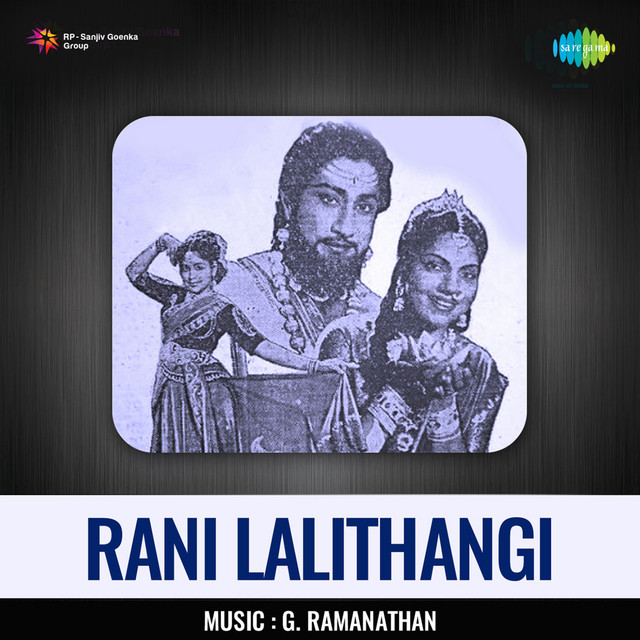
- Lyricist
- Thanjai N. Ramaiah Dass
- Singer
- P. Bhanumathi
- Music director
- G. Ramanathan
- Movie name
- Rani Lalithangi
- Movie release year
- 1957
- Lyrics added on
- 10 Dec 2023
Lyrics & meaning
Beyond the translation
Overall song meaning
Inbam Perinbam is a deeply philosophical and classical Tamil song from Rani Lalithangi (1957). It celebrates the ultimate spiritual and emotional bliss found in righteous love, music, and harmonious married life. The lyrics argue that true joy is so powerful and enchanting that even ascetics who have renounced all worldly ties cannot escape its divine playfulness. The song highlights how living a life rooted in character, experiencing divine presence within the heart, reveling in sweet music, and maintaining an ideal marital partnership—exemplified by Thiruvalluvar and his wife Vasuki—constitutes the highest form of human happiness.
Writing craft
Poetic devices
Simile (Upama / Uvamai)
“Valluvar vaasuki pol vaazhntha nilaiyilae”
Compares ideal marital togetherness to the legendary Tamil poet-saint Thiruvalluvar and his devoted wife Vasuki.
Metaphor (Rupaka / Uvameyam)
“Anbenum oottrilae Alarnthidum malaraaga”
Metaphorically describes love as an ever-flowing spring from which happiness blooms like a flower.
Edukai (Second-letter Rhyme)
“Ullaththilae iraivan ulavum vazhiyilae”
The second consonant 'll' (ள/ல்) rhymes across consecutive lines (Ullaththilae, Isai vellaththilae, Valluvar, Illaramae).
Monae (First-letter Alliteration)
“Anbenum oottrilae / Alarnthidum malaraaga”
Initial vowel sound 'A' (அ) repeats at the beginning of adjacent line segments.
Did you know?
Trivia
Rani Lalithangi (1957) featured multi-talented artist P. Bhanumathi, who sang this song herself under the musical direction of G. Ramanathan. Known for her powerful voice and intricate classical musical training, Bhanumathi rendered the complex ragam-based composition effortlessly, making it an enduring classic of 1950s Tamil cinema.
Keep listening
Songs with a similar feeling
From the same album
More songs from Rani Lalithangi
View albumSpot an issue?
Help us improve the lyrics or English translation.