Skip to content
Isaimozhi
Lyrics & meaning

Deivam Thandha Vaazhvukkellaam

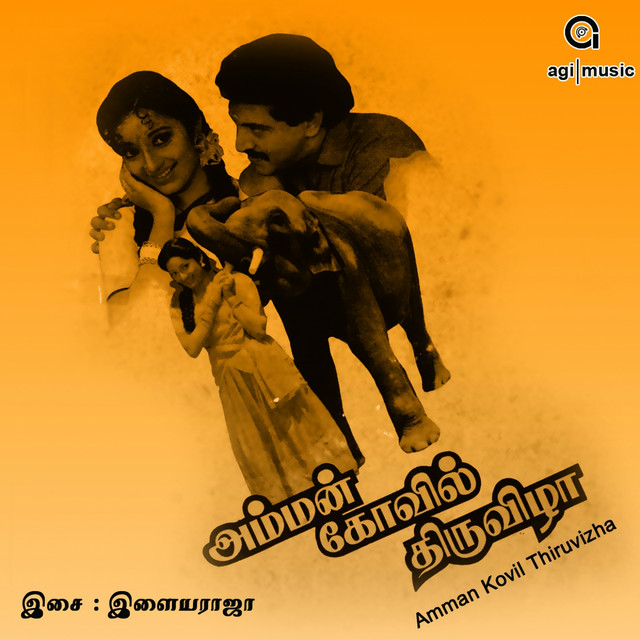
From Amman Kovil Thiruvizha · 1990

Lyricist
Isaignani Ilayaraja
Singer
Ilayaraja
Music director
Ilayaraja
Details
Amman Kovil Thiruvizha1990

Lyrics & meaning

Tanglish lyrics English translation
Male
Dheivam thandha vaazhvukkellaamFor all the life given by God
Enna nandri solvomWhat gratitude shall we express?
Male
Dheivam thandha vaazhvukkellaamFor all the life given by God
Enna nandri solvomWhat gratitude shall we express?
Avan seiyum anbu leelaikkellaamFor all the playful acts of love He performs
Munbu enna seidhomWhat good deed did we do in the past?
Nenjamae neeraagudhaeThe heart turns into liquid and melts
Avan anbai kandu kangalum aaraagudhaeSeeing His love, the eyes turn into a flowing river
Male
Dheivam thandha vaazhvukkellaamFor all the life given by God
Enna nandri solvomWhat gratitude shall we express?
Avan seiyum anbu leelaikkellaamFor all the playful acts of love He performs
Munbu enna seidhomWhat good deed did we do in the past?
Male
Naan pugazhndhu paattu chonnaalIf I sing songs praising Him
Dheivathirkku laabam ennaWhat profit is it to God?
Manam magizhndhu poojai seidhaalIf we perform worship with a joyful heart
Iraivanukku aavadhennaWhat gain does the Almighty get?
Seidha vinai theerndhu pogumPast karmic sins will be wiped away
Seiyum vinai nanmai kaanumFuture actions will yield goodness
Male
Naam irukka boomi thandhaanHe gave us the earth for us to live
Nee kalikka selvam thandhaanHe gave us wealth for you to rejoice
Anbu seiya annai thandhaanHe gave a mother to shower love
Kooda manaiyaalum thandhaanHe also gave a wife to share life
Enna nee seidha podhilumWhatever you might do or offer
Avan anbin munnaeIn front of His divine love
Eedu thaan aagidumoCan it ever be an equal match?
Male
Dheivam thandha vaazhvukkellaamFor all the life given by God
Enna nandri solvomWhat gratitude shall we express?
Avan seiyum anbu leelaikkellaamFor all the playful acts of love He performs
Munbu enna seidhomWhat good deed did we do in the past?
Male
Aadu maeitha kaalidhaasanKalidasa, who once grazed goats
Azhagu kavi sonnadhennaHow did he compose such beautiful poetry?
Annai aval nyaana paalilThrough the divine milk of wisdom from the Mother Goddess
Sammandharaai aanadhennaHow did he become Saint Sambandar?
Yaavarukkum thaevai indruWhat everyone needs today
Dheiva arul thaanaeIs divine grace alone
Male
Inba vazhi ingirukkuThe path to happiness is right here
Thunba vazhi moodadaaClose off the path to sorrow
Gangai neerum kai irukkaWhen Ganges water is right in your hands
Kaanal neerum yaenadaaWhy chase after a mirage?
Ammanin per solladaaChant the name of Goddess Amman
Oru thunbam illaa inbamae nee kaanadaaExperience a joy unblemished by any sorrow
Male
Dheivam thandha vaazhvukkellaamFor all the life given by God
Enna nandri solvomWhat gratitude shall we express?
Avan seiyum anbu leelaikkellaamFor all the playful acts of love He performs
Munbu enna seidhomWhat good deed did we do in the past?
Nenjamae neeraagudhaeThe heart turns into liquid and melts
Avan anbai kandu kangalum aaraagudhaeSeeing His love, the eyes turn into a flowing river
Male
Dheivam thandha vaazhvukkellaamFor all the life given by God
Enna nandri solvomWhat gratitude shall we express?
Avan seiyum anbu leelaikkellaamFor all the playful acts of love He performs
Munbu enna seidhomWhat good deed did we do in the past?

Beyond the translation

Song interpretation

This soulful devotional song expresses overwhelming gratitude toward the Divine for the precious gift of human life and its many blessings. The lyrics emphasize that praise and rituals do not profit God; rather, devotion purifies the human soul, wiping away past sins and ensuring good fortune. God has bestowed humanity with the earth, wealth, family, and motherly affection—gifts far grander than anything humans could offer in return. The song also draws upon spiritual legends, referencing how divine grace transformed an ordinary goat-herder into the great poet Kalidasa and blessed the child-saint Sambandar with divine wisdom. Ultimately, it urges seekers to abandon illusory worldly desires (mirages) and embrace the divine presence (the holy Ganges) for absolute, sorrowless happiness.

Writing craft

Poetic devices

Metaphor (உருவகம்)

Avan anbai kandu kangalum aaraagudhae

Compares tears of divine love overflowing from eyes to a flowing river.

Allegory / Contrast (உவமை / முரண்)

Gangai neerum kai irukka Kaanal neerum yaenadaa

Contrasts the eternal holy river Ganges (divine grace) with a mirage (worldly illusions) to show the futility of chasing material desires.

Rhetorical Question (வினா அணி)

Naan pugazhndhu paattu chonnaal Dheivathirkku laabam enna

Asks rhetorical questions to provoke reflection on the true nature of worship and divine detachment.

Monai (மோனை - Initial Rhyme/Alliteration)

Seidha vinai theerndhu pogum / Seiyum vinai nanmai kaanum

Matching initial consonants/vowels across words in a line (e.g., Naam / Nee / Anbu / Kooda).

Did you know?

Trivia

This devotional track is featured in the 1990 Tamil movie 'Amman Kovil Thiruvizha'. Isaignani Ilaiyaraaja not only composed the music for the film but also penned the lyrics for this song, demonstrating his deep spiritual roots and literary mastery in Tamil poetry.

Keep listening

More from Amman Kovil Thiruvizha