Skip to content
Isaimozhi
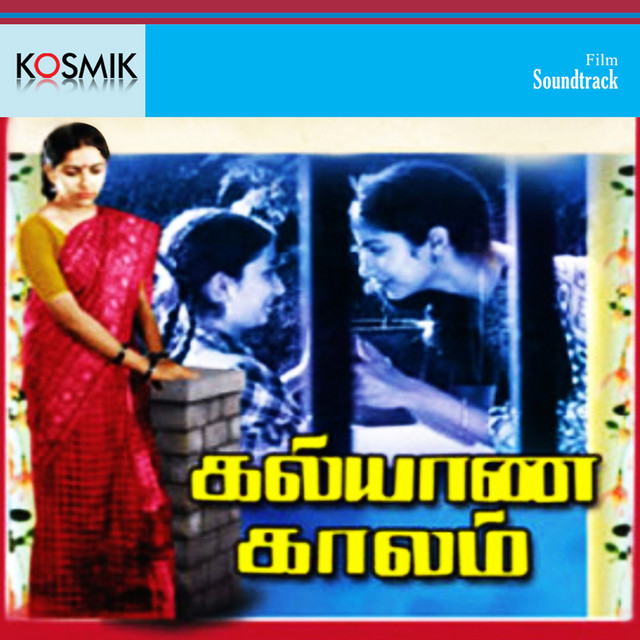
Kalyana Kalam album cover
Lyrics & meaning

Vaazhum Samuthayame

From Kalyana Kalam · 1982

Lyricist
Vairamuthu
Singer
S. P. Balasubrahmanyam
Music director
Shankar Ganesh
Movie name
Kalyana Kalam
Movie release year
1982
Lyrics added on
11 Mar 2022

Lyrics & meaning

♫ Tanglish lyrics
↻ English translation
Vaazhum samuthaayamae kalyaanam
Naalum sumaiyaanathae
Vaazhum samuthaayamae kalyaanam
Naalum sumaiyaanathae
Appan itta veli adhu oththu varaathu
Thappu endra pothum adhai vittu varaathu
Irulae udaiyaanathu
Vaazhum samuthaayamae kalyaanam
Naalum sumaiyaanathae
Manamagalo uruvaagiraal
Maappillaiyai mudhaliravilthaan paarkkiraal
Manamagalo uruvaagiraal
Maappillaiyai mudhaliravilthaan paarkkiraal
Kalyaana kosham santhosha vesham
Kanneeril vaasam poomaalai veesum
Irunthum dhesam panjaangam pesum
Vaazhum samuthaayamae kalyaanam
Naalum sumaiyaanathae
Appan itta veli adhu oththu varaathu
Thappu endra pothum adhai vittu varaathu
Irulae udaiyaanathu
Vaazhum samuthaayamae kalyaanam
Naalum sumaiyaanathae
Ramarukku tholillaiyo
Varathatchanai vil murikka aalillaiyo
Ramarukku tholillaiyo
Varathatchanai vil murikka aalillaiyo
Aalaanathingae thappaagi pochchu
Seedhaikkellaam koondhal naraiyaachchu
Veenai kooda viralaagi pochu
Vaazhum samuthaayamae kalyaanam
Naalum sumaiyaanathae
Thanthai thantha simmaasanam
Nondugira raasigalae en vaaganam
Thanthai thantha simmaasanam
Nondugira raasigalae en vaaganam
Vizhi moodi kondae vilaiyaada vanthaen
Unmaikku naanae thirai pottu kondaen
Udhadum manasum pagaiyaaga kandaen
Vaazhum samuthaayamae kalyaanam
Naalum sumaiyaanathae
Appan itta veli adhu oththu varaathu
Thappu endra pothum adhai vittu varaathu
Irulae udaiyaanathu
In this living society, marriage
has become a daily burden.
In this living society, marriage
has become a daily burden.
The fence built by fathers does not suit us,
yet even knowing it is wrong, they will not leave it.
Darkness has become our clothing...
In this living society, marriage
has become a daily burden.
A bride is made ready,
but she sees the groom only on their wedding night.
A bride is made ready,
but she sees the groom only on their wedding night.
The wedding celebrations are just an act of joy,
and the flower garland carries the scent of tears.
Even so, this land still consults horoscopes...
In this living society, marriage
has become a daily burden.
The fence built by fathers does not suit us,
yet even knowing it is wrong, they will not leave it.
Darkness has become our clothing...
In this living society, marriage
has become a daily burden.
Does Rama lack strength in his shoulders?
Is there no one to break the bow of dowry?
Does Rama lack strength in his shoulders?
Is there no one to break the bow of dowry?
Growing into womanhood here has become a mistake;
the hair of every Sita has turned grey.
Even the veena has turned into firewood...
In this living society, marriage
has become a daily burden.
On the throne given by my father,
limping zodiac signs are my chariot.
On the throne given by my father,
limping zodiac signs are my chariot.
I came to play with my eyes closed,
drawing a curtain over the truth myself.
I saw my lips and my heart become enemies...
In this living society, marriage
has become a daily burden.
The fence built by fathers does not suit us,
yet even knowing it is wrong, they will not leave it.
Darkness has become our clothing...
Male
Male
Male
Male
Male
Male
Male
Male
Male
Male
Male
Male
Male
Male
Male

Beyond the translation

Overall song meaning

This song is a sharp critique of societal norms surrounding marriage, patriarchy, and the dowry system in contemporary India. Lyricist Vairamuthu uses poignant allegories to depict how traditional practices, rigid customs, and forced matches burden young men and women. Instead of being a joyous celebration, marriage becomes an oppressive ritual where truth is masked, brides age waiting for dowry-free proposals, and individuals are forced into hypocrisy.

Writing craft

Poetic devices

Metaphor (Uruvagam)

Varathatchanai vil murikka aalillaiyo

Comparing the social evil of dowry to the formidable bow of Lord Shiva ('Varathatchanai vil'), suggesting it requires monumental heroic effort to destroy.

Iyaibu (End Rhyme)

Kalyaana kosham santhosha vesham / Kanneeril vaasam poomaalai veesum

The rhyming end sounds in 'kosham', 'vesham', 'vaasam', and 'pesum' create a rhythmic contrast highlighting fake happiness vs grim reality.

Personification

Udhadum manasum pagaiyaaga kandaen

Depicting the lips and the mind as two opposing enemies, symbolizing internal conflict and forced dishonesty due to societal pressure.

Did you know?

Trivia

Composed by the legendary duo Shankar-Ganesh and rendered passionately by S. P. Balasubramanyam, 'Vaazhum samuthaayamae' stands out as one of Vairamuthu's early socially conscious philosophical songs from the 1982 film Kalyana Kalam.

Keep listening

Songs with a similar feeling

From the same album

More songs from Kalyana Kalam

View album

Spot an issue?

Help us improve the lyrics or English translation.