Skip to content
Isaimozhi
Lyrics & meaning

Sumangali Poojai Idhu

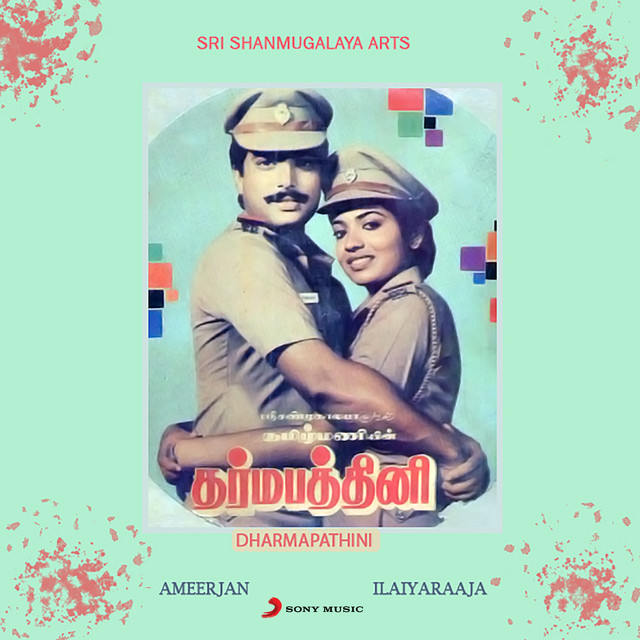
From Dharma Pathini · 1986

Lyricist
Vaali
Singers
P. Susheela, S. P. Shailaja
Music director
Ilayaraja
Details
Dharma Pathini1986

Lyrics & meaning

Tanglish lyrics English translation
Chorus
Nithyaananthakari varaabayakariO Giver of eternal joy, granter of boons and refuge,
Soundharya rathnaakariOcean of exquisite beauty,
Nirthoodhaagila kora paapanikariDestroyer of all terrible sins,
Prathyaksha maadhaeswariManifest Goddess and Supreme Mother,
Praaleyaachala vamsa paavanakariPurifier of the lineage of the snow-capped mountains (Himalayas),
Kaasi puraadheeswariRuler of the holy city of Kasi,
Bikshaamdhehi krupaavalambanakariGrant us alms of your grace and support,
Maathaanna poorneswariMother Annapoorneswari!
Female
Sumangali poojai idhuThis is the worship performed by married women (Sumangali Poojai),
Sugam tharum velai idhuThis is a auspicious time that brings peace and happiness.
Devi en thaayae dhayai purivaayaeO Goddess, my Mother, please bestow your grace!
Poovaiyar poovai kaappaval neeyaeYou are the supreme protector who safeguards all women.
Paavaiyar potri varum …aaaaa…..Whom all young women come praising... Ah...
Chorus
Sumangali poojai idhuThis is the worship performed by married women (Sumangali Poojai),
Sugam tharum velai idhuThis is a auspicious time that brings peace and happiness.
Female
Naayagan ponmeniYou who reside inextricably linked
Neengaamal vaazhumWith the golden body of your Lord,
Naayagi nee kooda pennillaiyoO Goddess, are you not a woman yourself?
Naan padum thunbangalThe sufferings that I endure,
Ariyaayo neeyaeDo you not know them?
Paarththida en pola kannillaiyoDo you not have eyes like mine to see?
Female
Kaavalin nyaayangalShall the principles of justice and protection
VaaduvadhoWither away?
Poigalum poo maalaiShall lies wear garlands
SooduvadhoAnd be adorned?
Saththiyangal vazhaamalWill truth die away
SaavathundooWithout surviving?
Thathuvanghal thavaraagaWill eternal philosophy and righteousness
PovadhundoGo wrong?
Female
Kaatchiyum saatchiyumYou are both the vision and the witness,
Neeyadi naachchiyammaaO Goddess, holy mother!
Mangala mangaiyin manjalum thangidaSo that the sacred turmeric of a married woman remains intact,
Malai magalae varamarulaeO Daughter of the Mountain, grant your blessing!
Chorus
Sumangali poojai idhuThis is the worship performed by married women (Sumangali Poojai),
Sugam tharum velai idhuThis is a auspicious time that brings peace and happiness.
Female
Aanavam aangaaramEgo, arrogance,
Aniyaayam yaavumAnd all forms of injustice,
Devi un arulaalae thoolaagumaeWill turn to dust by your divine grace, O Goddess!
Kozhaigal kaiyendhumTo overthrow the cruel scepter held
Kodungkolai saaikkaIn the hands of cowards,
Ezhaiyin kanneerum vaalaagumaeThe tears of the poor will turn into a sword!
Female
Paavaiyar menmaigalLook at the noble virtues of women,
PaaradiyoLook around!
Needhiyai nee vandhuCome forward and render
KooradiyoJustice yourself!
Kannagikkum en polaDid not Kannagi experience
AanadhadiA fate similar to mine?
Then madhurai theeyaagiDid not sweet Madurai
PonadhadiTurn into flames?
Female
Andhari sundhariO Goddess of the cosmos, beautiful one,
Sangari soundhariyaeSankari, radiant beauty!
Netriyin kungumam vetriyai petridaSo that the vermilion on the forehead triumphs,
Malai magalae varamarulaeO Daughter of the Mountain, grant your blessing!
Chorus
Naayagan kaiththalamThe tender creeper-like bride who held
Patriya paingkodiThe hand of her husband,
Vaazhga vaazhgavaeLong live, long live!
Nallara naayagi illara mangalamThe leader of good virtue, the auspicious fortune of domestic life,
Vaazhga vaazhgavaeLong live, long live!
Chorus
Uththama paththiniThe virtuous wife,
Saththiya puththiriThe daughter of truth,
Vaazhiya vaazhiyavaeLong live, long live!
Kan malar vaadiya pen malar kungumamThe woman, a flower whose eyes withered, yet holding sacred vermilion,
Vaazhiya vaazhiyavaeLong live, long live!
Chorus
Karpudan mangaiyarThe wonderful divine powers
Arpudha sakthigalOf chaste women,
Vaazhiya vaazhiyavaeLong live, long live!
Meikkuzhal soodiya malligai poochcharamThe garland of jasmine flowers worn in well-groomed hair,
Vaazhiya vaazhiyavaeLong live, long live!
Chorus
Maalai soodiya mannan vaazhiyaLong live the king adorned with the garland,
Mannan thediya mangai vaazhiyaLong live the lady sought by the king,
Naalum vaazhgavaeMay they live every day!
Than naadhan koodavaeTogether with her husband,
Chorus
Kaadhal nenjil yetri vaiththaThe lamp kindled in her loving heart,
Deepam vaazhgavaeLong live that lamp!
Manjal vannam minnugindraThe form glowing in a golden-yellow hue,
Roopam vaazhgavaeLong live that form!

Beyond the translation

Song interpretation

This song is a powerful devotional prayer and an impassioned plea to the Supreme Goddess (Malaimagal / Goddess Parvati / Annapoorneswari) sung during a traditional Sumangali Poojai. The lyrics begin with traditional Sanskrit slokas praising the divine Mother as the provider of bliss, beauty, and sustenance, asking for her blessings for marital harmony and prosperity. As the song progresses, the tone shifts into a deeply moving appeal regarding the plight of an innocent wife suffering injustice. The protagonist questions why truth is suffering while falsehood prospers, invoking the spirit of Kannagi who burnt Madurai down in anger against injustice. She calls upon the Goddess as a fellow woman and the ultimate witness to intervene and protect her marital bond (the sacred kungumam and manjal). The song concludes with traditional chant-like blessings for the chaste wife, her husband, their righteous domestic life, and the enduring light of love.

Writing craft

Poetic devices

Stotra / Hymn Borrowing (Sanskrit Sloka)

Nithyaananthakari varaabayakari

The song opens with the famous Annapurna Stotram composed by Adi Shankara ('Nithyaananthakari varaabayakari...'), anchoring the song in deep classical devotion before transitioning to Tamil.

Emonai (Second-letter Rhyme)

Sumangali poojai idhu / Sugam tharum velai idhu

Matching second consonants across lines, such as 'Sumangali' and 'Sugam' (m sound/group) or 'Naayagan' and 'Neengaamal' (n sound).

Alliteration (Monaai)

Mangala mangaiyin manjalum thangida

Repetition of initial consonants like 'Ma' in 'Mangala mangaiyin manjalum' and 'Malai magalae'.

Metaphor (Uruvagaimai)

Ezhaiyin kanneerum vaalaagumae

Comparing the tears of the impoverished woman to a sharp sword capable of destroying tyrannical rule ('Ezhaiyin kanneerum vaalaagumae').

Allusion (Thollachal / Epic Reference)

Kannagikkum en pola / Aanadhadi / Then madhurai theeyaagi / Ponadhadi

Direct reference to Kannagi from the epic Silappatikaram, who burned the city of Madurai when her husband was wrongly executed.

Did you know?

Trivia

The opening lines of the song are directly taken from the Sri Annapurna Stotram composed by Adi Shankaracharya. In Tamil cinema, Vaali frequently blended classical Sanskrit chants into Tamil film lyrics to create an authentic ritualistic atmosphere.

Keep listening

More from Dharma Pathini