Skip to content
Isaimozhi
Lyrics & meaning

Naan Vaazha Kuruthu

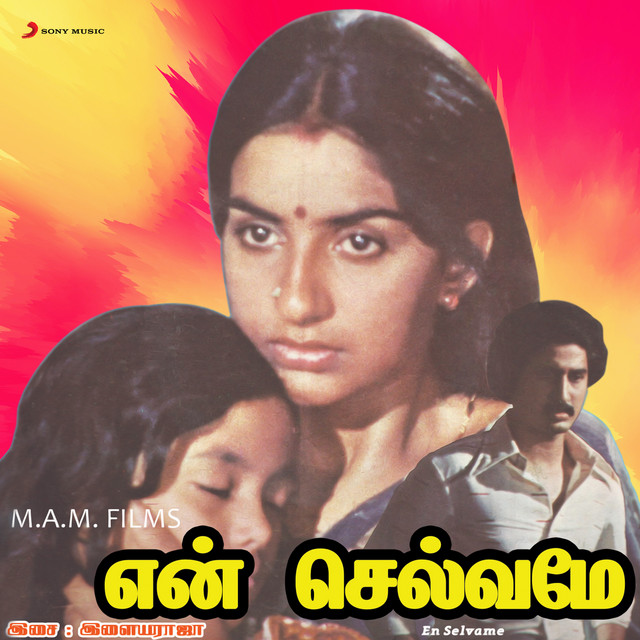
From En Selvame · 1985

Lyricist
Panchu Arunachalam
Singer
S. Janaki
Music director
Ilayaraja
Details
En Selvame1985

Lyrics & meaning

Tanglish lyrics English translation
Female
Naan vaazha kuruththazhagaeOh tender sprout of beauty who gives me life to live,
Vaatti vachcha ponnazhagaeOh golden beauty refined like pure gold,
En maalai kazhuththazhagae maththiyaana poovazhagaeOh beauty of my neck's garland, oh beauty of a midday flower,
Thaali nee mudikka thavamaa thavamirunthaenI performed arduous penance so you would tie the sacred wedding thread,
Ola kodukkaamalae oththa vazhi poneegalaeWithout leaving behind even a written note, you departed down a lonely path.
Female
Kodi thuni uduththu koottaththilae ninneenganaaIf you stood in a crowd wearing fine new clothes,
Kodi janam mayangum koodalooru kannu padumA crore of people would swoon, and the whole town of Cuddalore would cast an evil eye.
Javuli kada adachchu jaadhi sanam vaayadachchuClosing up textile shops and silencing all the townspeople,
Thaniyaa poreegalae en aasaiyulla ennavaraeYou walk away all alone, oh my beloved man,
Aiyyaa mannavaraeOh sir, my noble king!
Female
Sirichcha mugaththazhagum sevantha odhattazhagumThe beauty of your smiling face and the beauty of your red lips,
Mayakkum kannazhagum vaaraatha sollazhagumThe beauty of your captivating eyes and the beauty of your wordless grace,
Ulla en mannavarae uththamarae nallavaraeOh noble and good man, king dwelling in my heart,
Ukkaarntha edaththulaeyae usura maranthavaraeThe one who lost his breath right where he sat,
Aiyyaa mannavaraeOh sir, my noble king!
Female
Kunguma pottu vachchaa kurukurunnu paappeegalaeWhen I placed a vermilion bindi, you would gaze at me with deep affection,
Manjathaan naan kulichchaa naathiriyaa nippeegalaeWhen I bathed in turmeric, you would stand around lost in admiration,
Malliyappoo naan mudichchaa mayangi muzhippeegalaeWhen I adorned my hair with jasmine flowers, you would look at me entranced,
Ennaannu pottu vaippaenHow can I wear a bindi anymore?
Eppadiththaan poo mudippaen neenga pona pinnaalaeHow can I wear flowers in my hair now that you are gone?
Female
Yaezhu ooru pannaiyilum unga polae aalaethuAcross the farms of seven villages, there is no man like you,
Intha mugam paakkaamae naaniruntha naalaethuWas there ever a single day I lived without gazing at your face?
Thoongaa velakku vachchu thunaikku irunthavaraeYou who stayed as my companion like a sleepless, ever-burning lamp,
Thaengaa odachchathu polae sillaa parantheegalaeYou shattered and scattered away instantly, like a coconut cracked into pieces.

Beyond the translation

Song interpretation

This song is a heartbreaking traditional Tamil lament (Oppari) sung by a newly widowed woman mourning the sudden death of her husband. She eulogizes his magnificent appearance, gentle nature, and unmatched loving presence, recalling how he admired her when she wore traditional adornments like vermilion, turmeric, and jasmine blossoms. She expresses profound desolation, questioning how she can continue her traditional customs or live on without her partner, describing his abrupt demise as a catastrophic event that shattered her world like a coconut broken into splinters.

Writing craft

Poetic devices

Simile (Upamai)

Thaengaa odachchathu polae sillaa parantheegalae

Compares the suddenness and finality of her husband's death to a coconut breaking apart instantly into scattered splinters.

End Rhyme (Iyaibu)

Naan vaazha kuruththazhagae / Vaatti vachcha ponnazhagae

The repetitive use of the suffix '-azhagae' (beauty) at the end of multiple phrases in the opening lines creates a melancholic lyrical rhythm.

Hyperbole (Uvarchchi Ani)

Kodi janam mayangum koodalooru kannu padum

Exaggerates her husband's handsome features by claiming a crore of people would swoon and an entire city (Cuddalore) would cast an evil eye upon him.

Metaphor (Uruvagakani)

Thoongaa velakku vachchu thunaikku irunthavarae

Metaphorically compares her husband's constant supportive presence to a 'sleepless lamp' (thoongaa velakku) that illuminated her life.

Did you know?

Trivia

This track belongs to the traditional Tamil folk genre known as 'Oppari', an elegiac funeral song tradition where women improvise grief-stricken lyrics recounting the virtues, love, and life events of the deceased. Lyricist Panchu Arunachalam captured authentic rural dialect and imagery such as turmeric, jasmine, and local town names like Cuddalore to evoke intense raw emotion.

Keep listening

More from En Selvame