Skip to content
Isaimozhi
Lyrics & meaning

Sonnalum Ketkadha

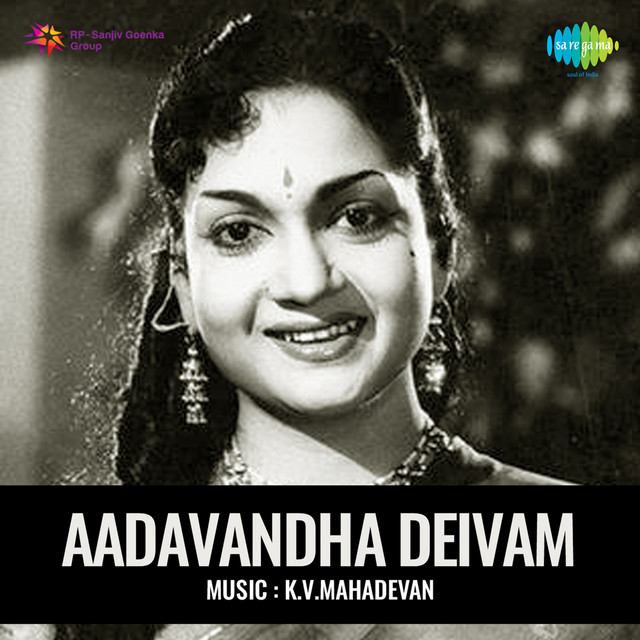
From Aada Vantha Deivam · 1960

Lyricist
A. Maruthakasi
Singer
P. Susheela
Music director
K. V. Mahadevan
Details
Aada Vantha Deivam1960

Lyrics & meaning

Tanglish lyrics English translation
Female
Sonnaalum ketkaatha ulagumungaThis is a world that does not listen even when told.
Sollaama ponaalum puriyaathungaYet it does not understand if left unsaid.
Idhil munnaalum pogaama pinnaalum pogaamaIn this, without moving forward or going backward,
Muzhikkira kumbal yaeraalangaThere are endless crowds staring in confusion.
Female
Sonnaalum ketkaatha ulagumungaThis is a world that does not listen even when told.
Sollaama ponaalum puriyaathungaYet it does not understand if left unsaid.
Idhil munnaalum pogaama pinnaalum pogaamaIn this, without moving forward or going backward,
Muzhikkira kumbal yaeraalangaThere are endless crowds staring in confusion.
Female
Sonnaalum ketkaatha ulagumungaThis is a world that does not listen even when told.
Female
Somberi aaguthungaSome people become lazy.
Silathu thoongaama thoonguthungaSome pretend to sleep without actually sleeping.
Somberi aaguthungaSome people become lazy.
Silathu thoongaama thoonguthungaSome pretend to sleep without actually sleeping.
Female
Pudhu tholilai thubakkiInstead of starting new industries,
Pala thuyaraththai theerkkaamaAnd relieving many sorrows,
Thuttukkalai pettiyil poottuthungaThey lock away their money in boxes.
Female
Pudhu tholilai thubakkiInstead of starting new industries,
Pala thuyaraththai theerkkaamaAnd relieving many sorrows,
Thuttukkalai pettiyil poottuthungaThey lock away their money in boxes.
Female
Sonnaalum ketkaatha ulagamungaThis is a world that does not listen even when told.
Female
Paadupadum yaezhaigalumThe hardworking poor people,
Panam ullavarum saernthidungaAnd the rich people should come together.
Paadupadum yaezhaigalumThe hardworking poor people,
Panam ullavarum saernthidungaAnd the rich people should come together.
Female
Pudhu paathaiyai vaguththidungaCarve out a new path.
Pangu pottu saappidungaShare and eat together.
Paarapatcham illaama vaazhnthidunga endruLive without partiality or discrimination—even when told this,
Female
Sonnaalum ketkaatha ulagumungaThis is a world that does not listen even when told.
Sollaama ponaalum puriyaathungaYet it does not understand if left unsaid.
Idhil munnaalum pogaama pinnaalum pogaamaIn this, without moving forward or going backward,
Muzhikkira kumbal yaeraalangaThere are endless crowds staring in confusion.
Female
Sonnaalum ketkaatha ulagumunga…This is a world that does not listen even when told...

Beyond the translation

Song interpretation

Sonnaalum Ketkaatha Ulagam from the movie Aada Vantha Deivam (1960) is a philosophical and socially conscious song composed by K. V. Mahadevan and written by A. Maruthakasi. Sung with expressiveness by P. Susheela, the song offers a sharp critique of societal obstinacy, noting that people stubbornly ignore good advice while remaining ignorant when unguided. It highlights how indecision keeps the masses stagnant while wealthy individuals hoard money instead of establishing industries to solve unemployment and poverty.

Writing craft

Poetic devices

Monai (Initial Alliteration)

Sonnaalum ketkaatha ulagumunga / Sollaama ponaalum puriyaathunga

Repetition of the initial sound 'So' in consecutive lines ('Sonnaalum' / 'Sollaama').

Iyaibu (End Rhyme)

Sonnaalum ketkaatha ulagumunga / Sollaama ponaalum puriyaathunga

Repetition of the honorific end-suffix '-unga' across lines to create rhythmic flow.

Paradox / Oxymoron

Silathu thoongaama thoonguthunga

The phrase 'thoongaama thoonguthunga' (sleeping without sleeping) paradoxically describes people feigning ignorance or pretending to be asleep to evade responsibility.

Antithesis

Idhil munnaalum pogaama pinnaalum pogaama

Contrast between moving forward ('munnaalum') and going backward ('pinnaalum') to depict social stagnation.

Did you know?

Trivia

This song reflects the socio-economic and reformist themes common in Tamil cinema during the late 1950s and early 1960s. Lyricist A. Maruthakasi frequently embedded practical socialist philosophy and calls for economic equality into lighthearted, folk-inspired tunes crafted by K. V. Mahadevan.

Keep listening

More from Aada Vantha Deivam