Skip to content
Isaimozhi
Lyrics & meaning

Maalai Neram Vandhathu Paaru

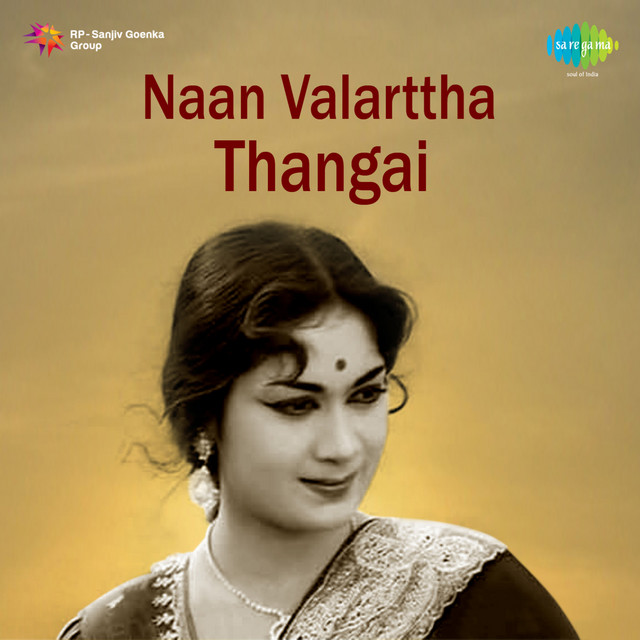
From Naan Valartha Thangai · 1958

Lyricist
Pattukkottai Kalyanasundram
Singer
Jikki
Music director
Pondiyala Srinivasan
Details
Naan Valartha Thangai1958

Lyrics & meaning

Tanglish lyrics English translation
Female
Oo jolli maali jolli maali haepapa haepapaOh jolly jolly, happy happy!
Kilikili jalibili kilikili jalibiliGibberish rhythmic vocalizations (Kilikili jalibili).
Jolli maali jolli maali haepapa haepapaJolly jolly, happy happy!
Oo jolli maali jolli maaliOh jolly jolly!
Female
Maalai neram vandhadhu paaruLook, the evening time has arrived.
Magizhum paravai gaanam keluListen to the song of the joyful birds.
Innum konjam irundhu paaruStay a little longer and see,
Iruttu vidiyum idhu thaan vaazhvuThe darkness will dawn into light; this is what life is.
Haepapa haepapaHappy happy!
Oo jolli maali jolli maaliOh jolly jolly!
Female
Asaiyum roja malarai kandaalWhen you see a swaying rose flower,
Azhagai rasikka thadai ondrillaiThere is no obstacle to enjoying its beauty.
Arugil nerungi parithu vidathaeDo not come close and pluck it,
Azhagum pogum malarum vaadumThe beauty will vanish and the flower will wither.
Haepapa haepapaHappy happy!
Oo jolli maali jolli maaliOh jolly jolly!
Female
Yekoi maekoi maekonaaiPlayful rhythmic vocalization (Yekoi maekoi...).
Raekooi shenoy thokkaanaaiPlayful rhythmic vocalization (Raekooi shenoy...).
Female
Paruvamum azhagum poividumaeYouth and physical beauty will fade away,
Perungunamadhae palan tharumaeOnly noble character will yield true rewards.
Hindi seeni baayi baayiBrothers living together in sweet harmony,
Enbadhai unarndhaal thunbam illaiIf you realize this truth, there will be no sorrow.
Female
Maanamum panbum thoazhamai anbumSelf-respect, virtuous conduct, and loving fellowship,
Manidharai uyarthum vazhiyandroAre these not the paths that elevate humanity?
ondrae jaadhi ondrae needhiThere is but one community and one justice,
Un kulam en kulam engae solvaaiWhere is your caste or my caste? Tell me!
Female
Hayililla hayi lilla hayi illaaleeRhythmic joyful refrain (Hayililla...)
Aasaikku paavam illai adhai vida vegam illaiDesire knows no sin, and nothing moves faster than it;
Anbukku mosam illai inbathil baedhamillaiLove harbors no deceit, and joy knows no discrimination.
Amudha banamadhae peravavaaCome to partake in the divine nectar!
Hayililla hayi lilla hayi illaaleeRhythmic joyful refrain (Hayililla...)
Female
Paadaatha solai vandu paadudhuThe beetle in the garden that never sang is now singing,
MogangonduFilled with passionate yearning,
Aadatha kannu rendu aaduthuThe pair of eyes that never danced are now dancing,
Unnai kanduUpon beholding you!
Amudha banamadhae peravavaaCome to partake in the divine nectar!
Hayililla hayi lilla hayi illaaleeRhythmic joyful refrain (Hayililla...)

Beyond the translation

Song interpretation

This upbeat and philosophical song from Naan Valartha Thangai (1958), written by lyricist Pattukkottai Kalyanasundaram, blends a lively club/dance rhythm with deep social philosophy. The song advises listeners to appreciate the simple beauty of nature—like a blooming rose—without trying to possess or destroy it, reminding us that physical youth and outward beauty fade while good character endures. Through clever phrasing, the lyrics promote egalitarian values and universal brotherhood ('one community, one justice'), rejecting caste discrimination. It portrays love and harmony as uplifting forces that transcend social divisions, wrapping serious moral lessons inside an energetic and entertaining melody.

Writing craft

Poetic devices

Edhugai (Second letter rhyme)

Maalai neram vandhadhu paaru / Magizhum paravai gaanam kelu

Matching second consonants across consecutive lines, such as 'Maalai' and 'Magizhum' or 'Arugil' and 'Azhagum'.

Metaphor / Symbolism

Asaiyum roja malarai kandaal... Arugil nerungi parithu vidathae

The rose serves as a metaphor for delicate beauty; plucking it represents selfish destruction of fragile natural grace.

Social Reformist Philosophy

ondrae jaadhi ondrae needhi / Un kulam en kulam engae solvaai

Direct rhetorical questioning to dismantle caste superiority and promote universal equality.

Rhythmic Vocalization (Scatting)

Oo jolli maali jolli maali haepapa haepapa

Use of phonetic non-lexical refrains ('haepapa', 'jolli maali', 'hayililla') to create an infectious, westernized dance rhythm.

Did you know?

Trivia

Lyricist Pattukkottai Kalyanasundaram was famous for weaving strong egalitarian and socialist ideals into popular Tamil cinema tracks. In this song, he embedded the famous egalitarian slogan 'Ondre Jaadhi Ondre Needhi' (One Caste, One Justice) inside a western-style dance number rendered by Jikki.

Keep listening

More from Naan Valartha Thangai