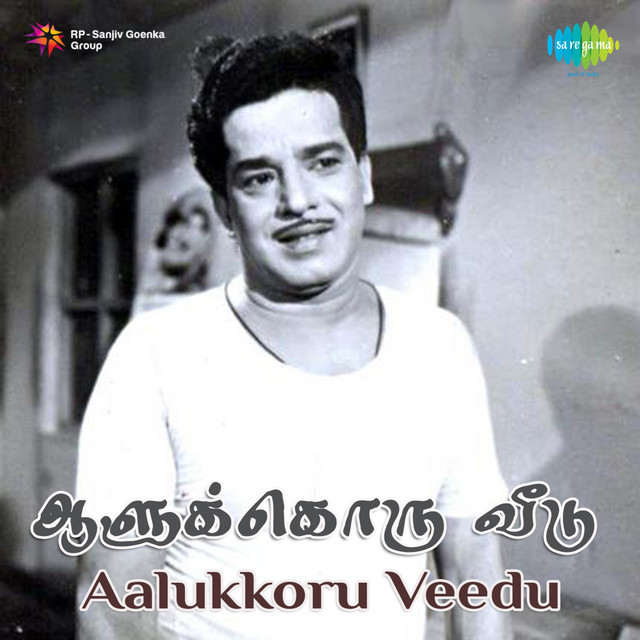
- Lyricist
- Pattukkottai Kalyanasundram
- Singers
- K. Jamunarani, L. R. Eswari
- Music director
- Vishwanathan-Ramamoorthy
- Movie name
- Aalukkoru Veedu
- Movie release year
- 1960
- Lyrics added on
- 26 Jul 2020
Lyrics & meaning
Beyond the translation
Overall song meaning
This song is a powerful call for social equality, human unity, and egalitarianism framed through a traditional folk dialogue. Addressing female companions in the village ('Kannatha' and 'Ponnatha'), the singer explains how nature makes no distinction between human beings—everyone breathes the same air, shares the same earth, is born after ten months of gestation, and bleeds red regardless of status or caste. In the second half, the song blends working-class solidarity with spiritual devotion. It highlights the hardworking farm laborers who toil for food and prays to Goddess Angaalamman for rain and a bountiful harvest. Using a clever wordplay on 'ponga' (cooking sweet rice vs. overflowing with joy and prosperity), the lyricist asserts that divine justice, nature's law, and human rights are universally equal for all.
Writing craft
Poetic devices
Anaphora / Repetition
“Orae saami orae needhi / Orae needhi orae jaadhi”
The deliberate repetition of the word 'Orae' (One/Single) across successive phrases creates rhythmic momentum and strongly reinforces the song's theme of universal oneness.
Rhetorical Question
“Yaaru melae keerinaalum / Raththam onnuthaane”
The lyricist poses a rhetorical statement ('No matter who you cut, blood is the same') to challenge social discrimination and assert biological equality.
Pun / Double Entendre (Sleidai)
“Ponga vaikka vaenum / Annaiyaval engalaiyum / Ponga vaikka vaenum”
The phrase 'Ponga vaikka vaenum' is used twice with distinct meanings: first, to cook the sacred Pongal rice offering at the temple, and second, praying for Mother Goddess to make their lives 'overflow' (ponga) with wealth and happiness.
Iyaipu (End Rhyme)
“Irulum onnu oliyum onnu / Innum sonnaa neeyum onnu / Naanum onnuthaan”
The lines end with matching sounds ('onnu' / 'onnuthaan'), establishing a melodic cadence typical of Tamil folk poetry.
Did you know?
Trivia
Written by the legendary 'Makkal Kavignar' (People's Poet) Pattukkottai Kalyanasundaram, this song reflects his strong socialist philosophy. Kalyanasundaram was famous for infusing communist ideals of social equality, caste abolition, and labor rights into mainstream Tamil cinema using everyday folk language. The music for 'Aalukkoru Veedu' (1960) was composed by the iconic duo Viswanathan–Ramamoorthy.
Keep listening
Songs with a similar feeling
From the same album
More songs from Aalukkoru Veedu
View albumSpot an issue?
Help us improve the lyrics or English translation.