- Lyricist
- Vaali
- Singer
- P. Susheela
- Music director
- Shankar Ganesh
- Movie name
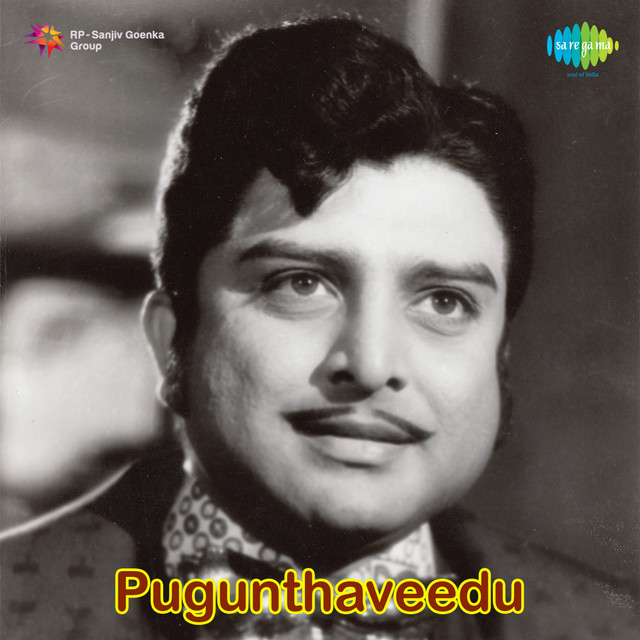
- Puguntha Veedu
- Movie release year
- 1972
- Lyrics added on
- 8 Mar 2024
Lyrics & meaning
Beyond the translation
Overall song meaning
'Kannan Pirantha Velaiyilae' from Puguntha Veedu (1972) is a deeply poignant maternal lament sung by a mother addressing her child. Drawing a strong parallel to Hindu mythology—specifically the birth of Lord Krishna to Devaki while imprisoned and separated from Vasudeva—the song conveys the mother's isolation, sorrow, and tragic circumstances. She compares her existence to a solitary lamp burning in a godless temple and questions the twists of destiny that separated her from her husband. Through lyricist Vaali's metaphorical style, the song explores themes of suffering, fate, and tragic helplessness. While natural elements like rivers connect distant shores, fate has divided her family, leaving her life an unsolved riddle. P. Susheela's soul-stirring vocal performance and Shankar-Ganesh's classic composition elevate this song into an enduring masterpiece of emotional Tamil cinema music.
Writing craft
Poetic devices
Mythological Allusion (Purana Kurippu)
“Kannan pirantha velaiyilae / Antha devagi irunthaal kaavalilae”
The entire opening stanza uses the mythological story of Devaki's imprisonment at Krishna's birth as an allegory for the protagonist's own entrapment and separation from her husband.
Metaphor (Uvamaani)
“Aandavan illaa aalayaththil / Naan aadidum vanna deepamadaa”
The singer compares her life to a bright lamp flickering inside a temple that lacks a deity, symbolizing empty devotion and purposeless sorrow.
Antithesis / Contrast (Eduroopaani)
“Irukarai inaippathu nadhiyaagum / Engal iruvarai piriththathu vithiyaagum”
Contrasts the unifying nature of a river connecting two banks with the destructive nature of fate separating two individuals.
Rhetorical Question & Wordplay (Vidukadhai)
“Aval vazhve indru vidukadhaiyaanaal / Vidaiyenna solvathadaa”
Extends the metaphor of 'vidukadhai' (riddle), comparing her past actions of posing riddles to her present tragic state where her life itself has become an unsolved riddle.
Did you know?
Trivia
Puguntha Veedu (1972), directed by F. N. Dass, featured a stellar cast including A. V. M. Rajan, Savitri, Lakshmi, and R. Muthuraman. The soundtrack composed by the duo Shankar-Ganesh remains memorable, with 'Kannan Pirantha Velaiyilae' standing out as one of P. Susheela's finest dramatic vocal performances written by Vaali.
Keep listening
Songs with a similar feeling
From the same album
More songs from Puguntha Veedu
View albumSpot an issue?
Help us improve the lyrics or English translation.