Skip to content
Isaimozhi
Lyrics & meaning

Senthamaraiye Senthen

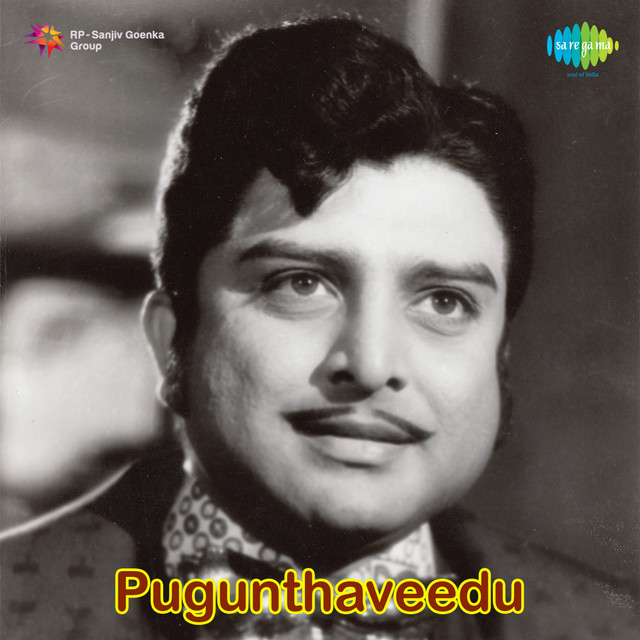
From Puguntha Veedu · 1972

Lyricist
Vaali
Singers
A. M. Raja, Jikki
Music director
Shankar Ganesh
Details
Puguntha Veedu1972

Lyrics & meaning

Tanglish lyrics English translation
Male
Senthaamaraiyae senthaen idhazhaeO Red Lotus, O lips of sweet honey,
Pennoviyamae kannae varuga kannae varugaO artistic painting of a woman, welcome my darling, welcome my darling.
Senthaamaraiyae senthaen idhazhaeO Red Lotus, O lips of sweet honey,
Pennoviyamae kannae varuga kannae varugaO artistic painting of a woman, welcome my darling, welcome my darling.
Female
Mullaikku thaer kodutha mannavan neeyaeYou are the noble king who gifted his chariot to the jasmine plant,
Malligaiyil nalla madhu vandoAre you the good honeybee drinking sweet nectar from the jasmine flower?
Mullaikku thaer kodutha mannavan neeyaeYou are the noble king who gifted his chariot to the jasmine plant,
Malligaiyil nalla madhu vandoAre you the good honeybee drinking sweet nectar from the jasmine flower?
Male
Senthaamaraiyae senthaen idhazhaeO Red Lotus, O lips of sweet honey,
Pennoviyamae kannae varuga kannae varugaO artistic painting of a woman, welcome my darling, welcome my darling.
Male
Puguntha veettin pudhu varavuThe new arrival into her marital home,
Nee pooththu kulungum pudhu ninaivuYou are a blossoming new memory.
Puguntha veettin pudhu varavuThe new arrival into her marital home,
Nee pooththu kulungum pudhu ninaivuYou are a blossoming new memory.
Female
Mangaiyin vaazhvil olivilakkuThe bright light in a young woman's life,
Adhu mannavan yaettriya thiruvilakkuIt is the sacred lamp lit by her beloved king.
Male
Ilamai tharum mayakkamYouth brings an intoxicating charm,
Female :Inimai adhil pirakkumFemale: Sweetness is born from that charm.
Male :Ilamai tharum mayakkamMale: Youth brings an intoxicating charm,
Female :Inimai adhil pirakkumFemale: Sweetness is born from that charm.
Male
Senthaamaraiyae senthaen idhazhaeO Red Lotus, O lips of sweet honey,
Pennoviyamae kannae varuga kannae varugaO artistic painting of a woman, welcome my darling, welcome my darling.
Female
Neela vaanin muzhu nilavaeO full moon of the vast blue sky,
Unnai nerungi magizhumen manamaeMy heart rejoices as I draw close to you.
Neela vaanin muzhu nilavaeO full moon of the vast blue sky,
Unnai nerungi magizhumen manamaeMy heart rejoices as I draw close to you.
Male
Aasai manathin pennamuthaeO feminine nectar of my longing heart,
Unnai aruntha thudikkum en uraveyO my soulmate, my heart longs to partake in your love.
Female
Koduthaen ennai koduthaenI surrendered myself, I surrendered,
Male :Eduthaen alli eduthaenMale: I gathered you in my arms, I embraced you,
Female :Koduthaen ennai koduthaenFemale: I surrendered myself, I surrendered,
Male :Eduthaen alli eduthaenMale: I gathered you in my arms, I embraced you,
Male
Senthaamaraiyae senthaen idhazhaeO Red Lotus, O lips of sweet honey,
Pennoviyamae kannae varuga kannae varugaO artistic painting of a woman, welcome my darling, welcome my darling.

Beyond the translation

Song interpretation

This classic romantic duet from the movie Puguntha Veedu (1972) depicts the joy and intimacy between a newly married couple as the bride enters her new home (puguntha veedu). The groom welcomes his bride with lavish poetic compliments, comparing her beauty to a lotus flower, a fine painting, and the full moon. In response, the bride affectionately compares her husband to King Pari (famous in Sangam literature for giving his chariot to support a weak jasmine vine), expressing her contentment and willingness to surrender her life to him. The song celebrates marital bliss, love, and emotional union using traditional Tamil literary tropes.

Writing craft

Poetic devices

Uvamaani / Metaphor (உவமை)

Senthaamaraiyae senthaen idhazhae

Compares the bride's lips to red honey ('senthaen idhazhae') and her artistic beauty to a painting ('pennoviyamae').

Allusion (இலக்கியக் குறிப்பு)

Mullaikku thaer kodutha mannavan neeyae

Refers to King Pari from Sangam Tamil history, known for his generosity in giving his royal chariot to a wild jasmine vine ('Mullaikku thaer kodutha mannavan').

Monai / Alliteration (மோனை)

Mullaikku thaer kodutha mannavan neeyae / Malligaiyil nalla madhu vando

Repetition of initial consonant/vowel sounds like 'M' in 'Mullaikku' and 'Malligaiyil'.

Iyaibu / Rhyme (இயைபு)

Ilamai tharum mayakkam / Inimai adhil pirakkum

Rhyming line endings with 'mayakkam' and 'pirakkum'.

Did you know?

Trivia

Puguntha Veedu (1972) was directed by V. T. Arasu and featured music by the duo Shankar-Ganesh. The duet was rendered by legendary playback singers A. M. Raja and his wife Jikki, making it one of the memorable duets recorded by the real-life couple during the 1970s.

Keep listening

More from Puguntha Veedu