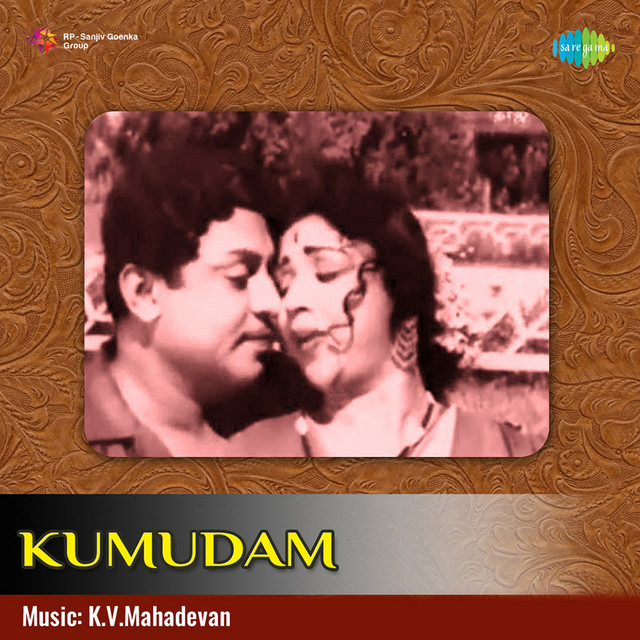
- Lyricist
- Kannadasan
- Singer
- Seerkazhi Govindarajan
- Music director
- K. V. Mahadevan
- Movie name
- Kumudham
- Movie release year
- 1961
- Lyrics added on
- 31 Jan 2019
Lyrics & meaning
Beyond the translation
Overall song meaning
Kallilae Kalai Vannam Kandaan is a timeless Tamil song from the 1961 film Kumudham, featuring lyrics by Kannadasan and music by K. V. Mahadevan. The song pays homage to the ancient sculptors of Tamil Nadu who brought inanimate stone to life, specifically referencing the architectural marvels of Mahabalipuram (Mamallapuram) built during the Pallava dynasty. It draws a poetic connection between physical sculptures and the inner vision of love. Throughout the track, the lyrics transition from praising historical art to expressing profound devotion between lovers. The protagonist describes how the beloved resides and dances within their heart like an artiste on stage, vowing that their love and sense of duty will remain immutable even if the vast oceans dry up.
Writing craft
Poetic devices
Moonaai (Initial Alliteration)
“Kallilae kalai vannam kandaan”
Repetition of the initial 'Ka' consonant sound across 'Kallilae', 'kalai', and 'kandaan' creates rhythmic harmony.
Upamai (Simile)
“Pallavar kon kanda mallai pola”
Uses 'pola' (like) to compare the location's beauty to the historic rock-cut architecture of Mamallapuram created by Pallava kings.
Hyperbole (Uyarvu Navortchi)
“Kadal vatri ponaalum pogum”
An exaggeration asserting that even if the immense ocean completely dries up, their love and commitment will never fade.
Did you know?
Trivia
Picturised around the historic shore temples and monolithic rock structures of Mahabalipuram, this song became an iconic anthem celebrating ancient Tamil architecture and sculpture. Composed by K. V. Mahadevan, it features powerful vocal renditions by Seerkazhi Govindarajan and P. Susheela.
Keep listening
Songs with a similar feeling
From the same album
More songs from Kumudham
View albumSpot an issue?
Help us improve the lyrics or English translation.