Skip to content
Isaimozhi
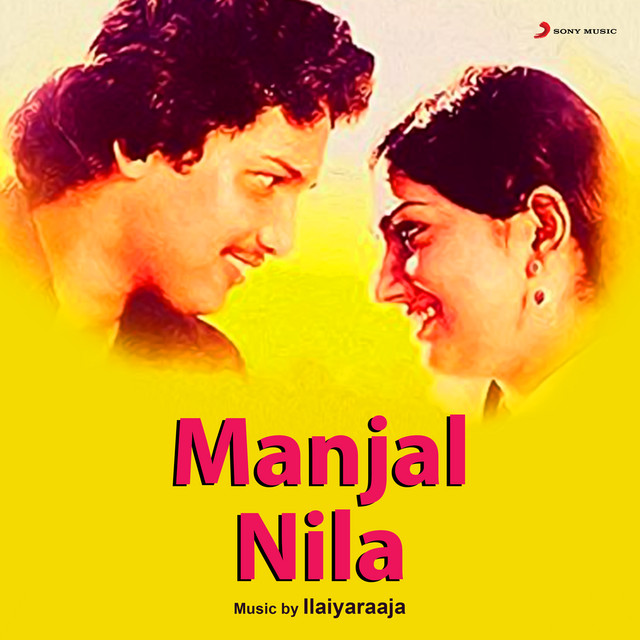
Manjal Nila album cover
Lyrics & meaning

Kaatre Yazh Meettu

From Manjal Nila · 1982

Lyricist
Pulamaipithan
Singer
Ashok
Music director
Ilayaraja
Movie name
Manjal Nila
Movie release year
1982
Lyrics added on
15 Apr 2021

Lyrics & meaning

♫ Tanglish lyrics
↻ English translation
Kaatrae yaazh meettu
Ivar kanneer kavithai kettu
Kaatrae yaazh meettu
Ivar kanneer kavithai kettu
Ingu inbangalae kaanal vari
Thunbangalae neelaampari…..
Kaatrae yaazh meettu
Ivar kanneer kavithai kettu
Malar aaraangalai theru ooranggalil
Ingu yaar pottathu adhai yaar ketpathu
Malar aaraangalai theru ooranggalil
Ingu yaar pottathu adhai yaar ketpathu
Verum kovilgal engengum aaraathanai
Konjam koorungal ivar nenjil yaen vedhanai
Aaraatho nenjin kaayangal
Eppothu thelivaagum niyaayangal…
Kaatrae yaazh meettu
Ivar kanneer kavithai kettu
Ingu inbangalae kaanal vari
Thunbangalae neelaampari…..
Kaatrae yaazh meettu
Ivar kanneer kavithai kettu
Ingu gangai undu
Konjam thanneer illai
Vayal engum undu
Unna sorum illai
Ingu gangai undu
Konjam thanneer illai
Vayal engum undu
Unna sorum illai
Intha dhesaththai thunbangal aalgindrana
Verum therthalgalae ingu vaazhgindrana
Yaaringae oru aadhaaram
Tharumangal theruvengum viyabaaram
Kaatrae yaazh meettu
Ivar kanneer kavithai kettu
Ingu inbangalae kaanal vari
Thunbangalae neelaampari…..
Kaatrae yaazh meettu
Ivar kanneer kavithai kettu….
O breeze, strum the yaazh (ancient harp),
listening to his poem of tears.
O breeze, strum the yaazh (ancient harp),
listening to his poem of tears.
Here, joy is only a mirage,
and sorrows play Neelambari (a melancholic raga)...
O breeze, strum the yaazh (ancient harp),
listening to his poem of tears.
Flower garlands lying along the roadside—
who tossed them here, and who even cares to ask?
Flower garlands lying along the roadside—
who tossed them here, and who even cares to ask?
Just temples and prayers everywhere;
please tell me, why is there such pain in his heart?
Won't the wounds of his heart heal?
When will justice finally become clear?...
O breeze, strum the yaazh (ancient harp),
listening to his poem of tears.
Here, joy is only a mirage,
and sorrows play Neelambari (a melancholic raga)...
O breeze, strum the yaazh (ancient harp),
listening to his poem of tears.
The river Ganges flows here,
yet there is no water to drink.
Farming fields are everywhere,
yet there is no rice to eat.
The river Ganges flows here,
yet there is no water to drink.
Farming fields are everywhere,
yet there is no rice to eat.
Sorrows rule over this land,
while only elections thrive here.
Who is here to offer true support?
Charity has become a trade on the streets...
O breeze, strum the yaazh (ancient harp),
listening to his poem of tears.
Here, joy is only a mirage,
and sorrows play Neelambari (a melancholic raga)...
O breeze, strum the yaazh (ancient harp),
listening to his poem of tears....
Male
Male
Male
Male
Male
Male
Male
Male
Male
Male
Male

Beyond the translation

Overall song meaning

This poignant song 'Kaatrae Yaazh Meettu' from the film 'Manjal Nila' (1982), written by Pulamaipithan, reflects deep social commentary and human pain. The speaker calls upon the wind to strum a harp in tune with the tearful life poetry of the suffering people. The lyrics highlight stark societal paradoxes—abundance in nature versus poverty in reality, grand religious worship versus unaddressed human sorrow, and the commercialization of virtue and political empty promises.

Writing craft

Poetic devices

Metaphor (Uvamaai)

Ingu inbangalae kaanal vari / Thunbangalae neelaampari

Pleasures are metaphorically described as a mirage ('kaanal vari') and sufferings as the solemn night raga Neelambari ('neelaampari').

Personification

Kaatrae yaazh meettu

The wind ('Kaatrae') is requested to act like a musician playing an instrument ('yaazh meettu').

Paradox / Irony

Ingu gangai undu / Konjam thanneer illai / Vayal engum undu / Unna sorum illai

Juxtaposes the existence of a mighty river (Ganges) with lack of water, and widespread fields with lack of food.

Emoni / Rhyme (Monai and Ethirai)

Verum kovilgal engengum aaraathanai / Konjam koorungal ivar nenjil yaen vedhanai

Internal and end rhymes like 'kaanal vari' and 'neelaampari', or 'aaraathanai' and 'vedhanai' create lyrical harmony.

Did you know?

Trivia

Written by the renowned poet Pulamaipithan, known for his socially conscious and politically sharp lyrics, 'Manjal Nila' features music by Ilaiyaraaja and vocals by K. J. Yesudas, delivering a deeply soulful melancholic classic.

Keep listening

Songs with a similar feeling

From the same album

More songs from Manjal Nila

View album

Spot an issue?

Help us improve the lyrics or English translation.