Skip to content
Isaimozhi
Lyrics & meaning

Ingey Deivam Pathi

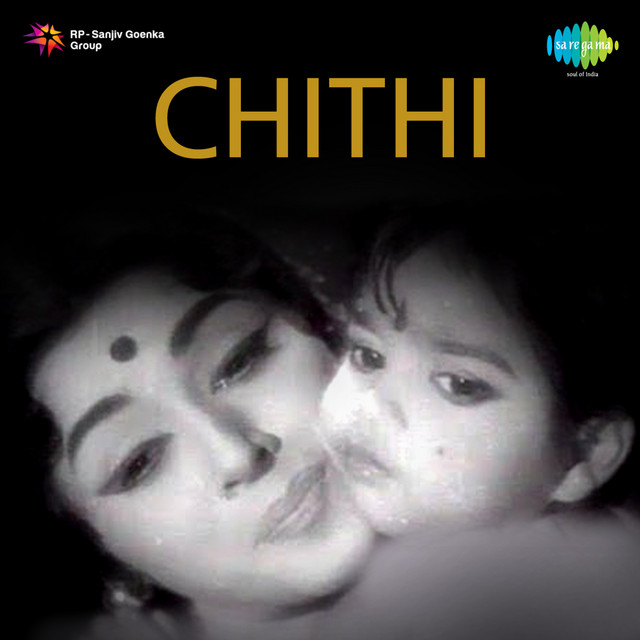
From Chithi · 1966

Lyricist
Kannadasan
Singers
A. L. Raghavan, Mothi
Music director
M. S. Vishwanathan
Details
Chithi1966

Lyrics & meaning

Tanglish lyrics English translation
Male
Ingae dheivam paadhiHere, half divine,
Mirugam paadhiAnd half beast,
Manidhan aanadhadaaHas become a human being, my friend.
Aa… aa… aa… aa…haa…aa…aa…aa…aa..(Vocalizations)
Male
Ingae dheivam paadhiHere, half divine,
Mirugam paadhiAnd half beast,
Manidhan aanadhadaaHas become a human being, my friend.
Adhilae ullam paadhi kallam paadhiIn that, half is pure heart and half is deceit,
Uruvam aanadhadaaTaking physical form, my friend.
Adhilae ullam paadhi kallam paadhiIn that, half is pure heart and half is deceit,
Uruvam aanadhadaaTaking physical form, my friend.
Aahaa uruvam aanadhadaaAahaa, taking physical form, my friend,
Oho ho uruvam aanadhadaaOho ho, taking physical form, my friend.
Aa… aa… aaa…(Vocalizations)
Adhilae ullam paadhi kallam paadhiIn that, half is pure heart and half is deceit,
Uruvam aanadhadaaTaking physical form, my friend.
Male
Aa… aa… aa… aa…aa..aaa(Vocalizations)
Ingae dheivam paadhiHere, half divine,
Mirugam paadhiAnd half beast,
Manidhan aanadhadaaHas become a human being, my friend.
Male
Aasaiyilae kaakkaiyadaaIn desire, man is like a crow, my friend,
Alaivadhilae kazhudhaiyadaaIn wandering fruitlessly, he is like a donkey, my friend.
Kaasillaadha velaiyilaeIn times when there is no money,
Kadavulukkae poosaiyadaaEven God gets worshipped with devotion, my friend.
Male
Aa… aa… aa… aa…aa..aaa(Vocalizations)
Thandhirathil narigaladaaIn cunning tricks, men are foxes, my friend,
Thannalathil puligaladaaIn self-centeredness, they act like tigers, my friend.
Andharathil nirkkaiyilaeWhen standing stranded in mid-air,
Mandhirathil aasaiyadaaThey long for magical incantations, my friend.
Male
Aa… aa… aa… aa…aa..aaa(Vocalizations)
Haa… aa… aa…aa..aaa(Vocalizations)
Ingae koottamaaga vaazha chonnaalIf told to live together as a united community here,
Ottai sollumadaaThey will preach disharmony and division, my friend.
Male
Naattil vaattam vandhu serum podhuWhen adversity and distress strike the land,
Koottam koodumadaaA crowd gathers together, my friend.
Male
Aa… aa… aa… aa…aa..aaa(Vocalizations)
Haa… aa… aa…aa..aaa(Vocalizations)
Ingae dheivam paadhiHere, half divine,
Mirugam paadhiAnd half beast,
Manidhan aanadhadaaHas become a human being, my friend.
Male
Mugathil paadhi vaayirukkumHalf of the face is taken up by the mouth,
Muzha neelam naakkirukkumAccompanied by a yard-long tongue.
Mudhugilae kannirukkumEyes are situated at the back,
Moolaiyilae mannirukkumWhile the brain is filled with mud.
Male
Aa… aa… aa… aa…aa..aaa(Vocalizations)
Haa… aa… aa…aa..aaa(Vocalizations)
Manathilae peyirukkumA devil resides within the mind,
Maraiyaadha noyirukkumAlong with an incurable disease.
Vanathilae vittu vittaalIf left in the middle of a forest,
Mirugamellaam varaverkkumAll the wild beasts would welcome him as one of their own.
Vanathilae viduvadharkkuTo abandon him fully in the wild,
Vaal mattum illaiyadaaHe only lacks a tail, my friend!
Ha ha ha sabaash…Ha ha ha, bravo!

Beyond the translation

Song interpretation

This classic philosophical song written by Kannadasan for the 1966 film 'Chithi' offers a biting satirical commentary on human nature. The lyricist explores the dual nature of man, viewing humanity as a volatile hybrid of godliness and animalistic savagery. Kannadasan highlights how human beings display animalistic traits through greed (crow), aimless wandering (donkey), cunningness (fox), and selfishness (tiger), turning to God only when impoverished or desperate. In the latter stanzas, the song delivers a fierce critique of hypocrisy, malicious speech, and moral corruption. With sharp wit, Kannadasan notes that humans possess a devilish mind and mud for brains, suggesting that if released into a jungle, wild beasts would readily accept them—the only thing preventing them from being total animals is the absence of a physical tail.

Writing craft

Poetic devices

Metaphor / Animal Imagery (உவமை / உருவகம்)

Aasaiyilae kaakkaiyadaa / Alaivadhilae kazhudhaiyadaa / Thandhirathil narigaladaa / Thannalathil puligaladaa

Compares human traits directly to various animals to emphasize moral flaws—crow for desire, donkey for restless wandering, fox for cunningness, and tiger for selfishness.

Edhugai (அடி எதுகை - Second letter rhyming)

Thandhirathil narigaladaa / Thannalathil puligaladaa

The second letter 'da' in 'Thandhirathil' and 'Thannalathil' creates a strong rhythmic Tamil poetic resonance across adjacent lines.

Monaai (அடி மோனை - Initial letter alliteration)

Mugathil paadhi vaayirukkum / Muzha neelam naakkirukkum / Mudhugilae kannirukkum / Moolaiyilae mannirukkum

Repetition of initial consonant sound 'M' across all four consecutive lines (Mugathil, Muzha, Mudhugilae, Moolaiyilae).

Antithesis / Irony (முரண்)

Ingae dheivam paadhi / Mirugam paadhi / Manidhan aanadhadaa

Contrasts divine qualities ('dheivam') against animalistic savagery ('mirugam'), and pure heart ('ullam') against deceit ('kallam') to illustrate internal human conflict.

Did you know?

Trivia

Composed by M.S. Viswanathan and rendered powerfully by T.M. Soundararajan, this track is renowned for its theatrical delivery and sarcastic laughter at the end ('Ha ha ha sabaash'). It remains one of Lyricist Kannadasan's most iconic philosophical songs exploring human psychology.

Keep listening

More from Chithi