- Lyricist
- Vairamuthu
- Singer
- S. P. Balasubrahmanyam
- Music director
- Ilayaraja
- Movie name
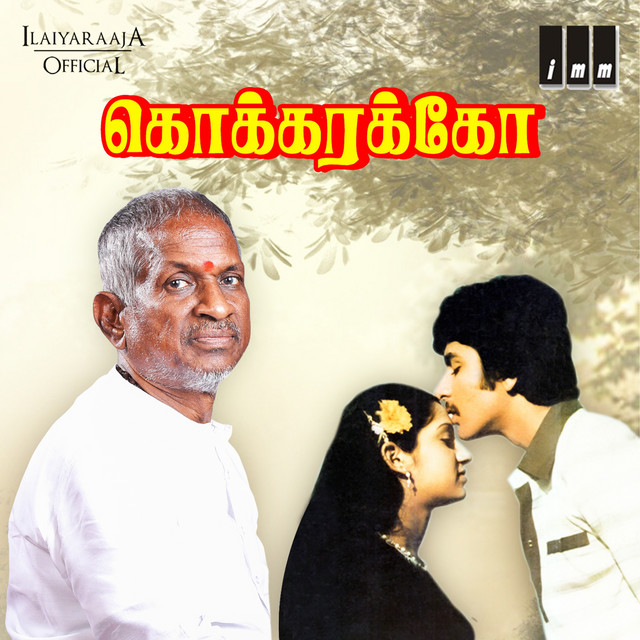
- Kokkarakko
- Movie release year
- 1983
- Lyrics added on
- 11 Jul 2020
Lyrics & meaning
Beyond the translation
Overall song meaning
The song 'Geetham Sangeetham' from the movie 'Kokkarakko' (1983), written by Vairamuthu, is a deeply tragic love song that expresses the overwhelming sorrow of a heartbroken lover. The protagonist elevates his beloved to a sacred realm, declaring her to be his music, song, and holy scripture (Vaedham). He portrays his grief by referencing the iconic literary figure Devadas, calling himself Devadas's younger brother due to the depth of his suffering following their separation. Despite the pain, his devotion remains absolute. He speaks of surviving merely on her name, though he is currently drained of all strength and engulfed in tears. The lyrics capture the bittersweet conflict between fond memories of her flower-like face and the devastating reality of his sleepless, tearful solitude, culminating in a declaration of total surrender to her love.
Writing craft
Poetic devices
Metaphor (உருவகம்)
“Nee thaanae en kaadhal vaedham”
The lover directly equates his beloved to a 'vaedham' (sacred scripture) of love, elevating her to a divine status.
Cultural Allusion (இலக்கியக் குறிப்பு)
“Dhaevadhaasin thambi naan”
Refers to the tragic character Devadas from Indian literature to symbolize extreme heartbreak and grief over separation.
Hyperbole (உயர்வு நவிற்சி அணி)
“Kanneerin vellam”
Describing tears as a 'vellam' (flood) exaggerates the protagonist's sorrow to emphasize his immense pain.
Monai / Alliteration (மோனை)
“Thogai undhan poo mugam / Thoongavillai aayinum”
Repetition of initial consonant sounds ('Tho') across lines to create rhythmic harmony.
Did you know?
Trivia
'Geetham Sangeetham' features lyrics written by Vairamuthu for the 1983 Tamil film 'Kokkarakko'. Although listed with unknown context details in some archives, the film's soundtrack was composed by Maestro Ilaiyaraaja, with memorable vocal renditions by S. P. Balasubrahmanyam and S. P. Sailaja. The song relies heavily on classical Indian tragic tropes, particularly invoking Devadas as an archetype for unrequited love and pain.
Keep listening
Songs with a similar feeling
From the same album
More songs from Kokkarakko
View albumSpot an issue?
Help us improve the lyrics or English translation.