- Lyricist
- Vairamuthu
- Singer
- Prabhakar
- Music director
- S. P. Venkatesh
- Movie name
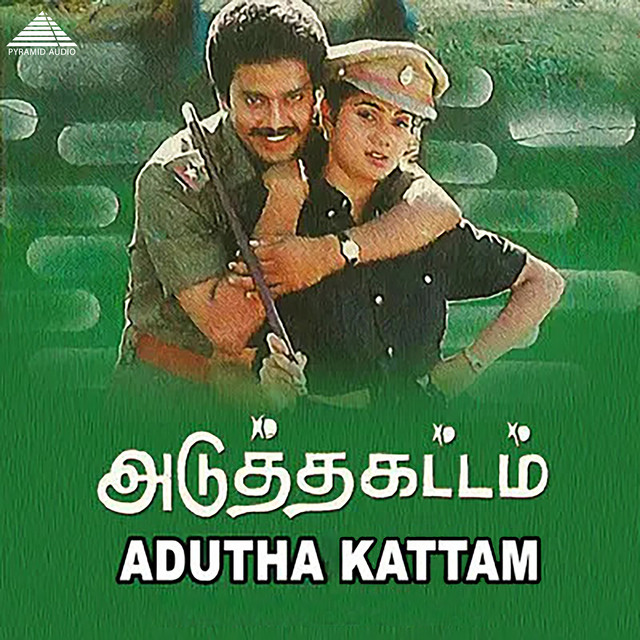
- Adutha Kattam
- Movie release year
- 1999
- Lyrics added on
- 6 Apr 2021
Lyrics & meaning
Beyond the translation
Overall song meaning
This song expresses profound endearment and eternal devotion towards a beloved or a child. The singer addresses the loved one as their very soul and light of their eyes, promising steadfast care and love that transcends a single lifetime, enduring across seven births. The lyrics evoke warmth, tenderness, and an inseparable spiritual connection.
Writing craft
Poetic devices
Repetition (Anaphora / Adukku Thodar)
“Chinna kannae Chinna kannae nee en jeevanae”
The affectionate term 'Chinna kannae' is repeated consecutively to emphasize deep tenderness and affection.
Metaphor (Uvamai / Metaphor)
“En uyirin uyiraai nizhalaai vaazhum”
The beloved is metaphorically described as 'uyirin uyir' (the life of one's life) and 'nizhal' (shadow), highlighting constant presence and absolute essentiality.
Hyperbole (Uyarvu Navortchi)
“Yaezhu jenmam vaazhum varai naan un dhevanae”
The reference to 'Yaezhu jenmam' (seven births) uses cultural hyperbole to signify timeless, everlasting love.
Did you know?
Trivia
The lyricist Vairamuthu frequently uses imagery of 'seven births' (Yaezhu jenmam) and 'life of my life' (Uyirin uyir) in his romantic and lullaby-style poetry to emphasize timeless, soul-deep bonds.
Keep listening
Songs with a similar feeling
From the same album
More songs from Adutha Kattam
View albumSpot an issue?
Help us improve the lyrics or English translation.