Skip to content
Isaimozhi
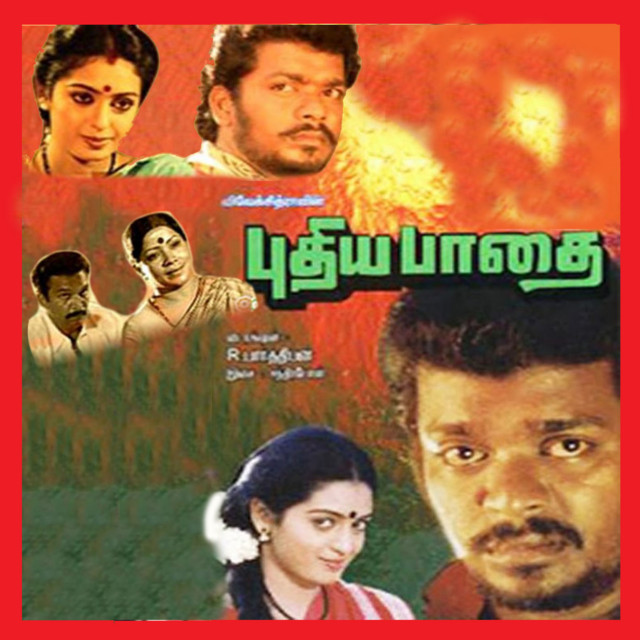
Pudhea Paadhai album cover
Lyrics & meaning

Appan Yaru

From Pudhea Paadhai · 1989

Lyricist
Vairamuthu
Singer
K. J. Yesudas
Music director
Chandrabose
Movie name
Pudhea Paadhai
Movie release year
1989
Lyrics added on
13 Oct 2020

Lyrics & meaning

♫ Tanglish lyrics
↻ English translation
Aariro aaraaro aariro aaraaro
Appan yaaru amma yaaru
Naanum paarkkala
Kanneerthaan kandaenamma
Thaaipaal paarkala
Porakkum kozhanthaikellaam
Pattu thottilthaan
Enakku thottilennamo
Kuppai thottithaan
Appan yaaru amma yaaru
Naanum paarkkala
Kanneerthaan kandaenamma
Thaaipaal paarkala
Aaraaro aariro aaraaro aariro
Ennamo ulagaththaiyae pudikalaiyae
Ennaiyum ulagaththukku pudikalaiyae
Thunbaththukku porathavan intha pullaiyae
Enna thoppulkodi aruththava kollavillaiyae
Azhuthaenae….oooo….
Azhuthaenae azhuthaenae
Kanneerukkum eeramilla
Appan yaaru amma yaaru
Naanum paarkkala
Kanneerthaan kandaenamma
Thaaipaal paarkala
Aariro aariro….
Naanazhutha neraththilae yaarum varalla
Oorazhutha vaelaiyilae naanum varala
Enakenna saabamo velangalaiyae
Thupparinju paarkurean tholangalaiyae
Thisaiyengae….oooo…oo…
Thisaiyengae thisaiyangae
Vazhikaattum jeevanilla
Appan yaaru amma yaaru
Naanum paarkkala
Kanneerthaan kandaenamma
Thaaipaal paarkala
Porakkum Kozhanthaikellam
Pattu thottilthaan
Enakku thottilennamo
Kuppai thottithaan
Appan yaaru amma yaaru
Naanum paarkkala
Kanneerthaan kandaenamma
Thaaipaal paarkala
Aariro aararo, aariro aararo...
Who is my father? Who is my mother?
I have never seen them.
I have only seen tears, mother,
I never saw a mother's milk.
For every child that is born,
there is a cradle of silk,
but as for me, my only cradle
was a garbage bin...
Who is my father? Who is my mother?
I have never seen them.
I have only seen tears, mother,
I never saw a mother's milk.
Aararo aariro, aararo aariro...
For some reason, I don't like this world,
and this world doesn't like me either.
This child was born only for suffering;
the woman who cut my umbilical cord didn't just kill me.
I wept... oh... oh... oh...
I wept and I wept,
yet even my tears have no moisture left.
Who is my father? Who is my mother?
I have never seen them.
I have only seen tears, mother,
I never saw a mother's milk.
Aariro aariro...
When I cried, nobody came to me,
and when the town cried, I didn't go either.
What curse is upon me, I don't understand;
I search and search, but find no answers.
Which direction... oh... oh...
Where is the way? Which direction do I go?
There is not a single soul to guide me.
Who is my father? Who is my mother?
I have never seen them.
I have only seen tears, mother,
I never saw a mother's milk.
For every child that is born,
there is a cradle of silk,
but as for me, my only cradle
was a garbage bin...
Who is my father? Who is my mother?
I have never seen them.
I have only seen tears, mother,
I never saw a mother's milk...
Female
Male
Male
Male
Female
Male
Male
Male
Female
Male
Male
Male
Male
Male

Beyond the translation

Overall song meaning

This poignant song from the film Pudhea Paadhai presents a subversion of the classic Tamil lullaby (Taalaattu). Instead of soothing a child to sleep with warmth and love, the protagonist uses the lullaby refrain to mourn his own abandoned origins, lack of parental love, and bitter life as an orphan. He contrasts the privileged lives of children born into loving homes with his own fate of being discarded in a garbage bin upon birth. The lyrics reflect profound emotional isolation and the deep existential pain of feeling unloved and directionless in a harsh world.

Writing craft

Poetic devices

Irony (Lullaby Subversion)

Aariro aaraaro aariro aaraaro

The song uses the 'Aariro Aaraaro' lullaby refrain—traditionally sung by mothers to comfort infants—to express the grief of an orphan who never received maternal warmth.

Contrast / Juxtaposition

Pattu thottilthaan / Enakku thottilennamo / Kuppai thottithaan

Striking antithesis comparing 'Pattu thottil' (silk cradle) bestowed on blessed infants with 'Kuppai thottil' (garbage bin) where the protagonist was abandoned.

Ethukai (Second-letter Assonance)

Ennamo ulagaththaiyae pudikalaiyae / Ennaiyum ulagaththukku pudikalaiyae

Traditional Tamil poetic rhyme matching the second consonant across lines ('nn' sound in Ennamo and Ennaiyum).

Did you know?

Trivia

Pudhea Paadhai (1989) was the directorial debut of R. Parthiban, who also starred as the protagonist—a hardened orphan turned rowdy. Composed by Chandrabose with lyrics by Vairamuthu and sung by K. J. Yesudas, this song serves as the central emotional anchor explaining the protagonist's traumatized psyche.

Keep listening

Songs with a similar feeling

From the same album

More songs from Pudhea Paadhai

View album

Spot an issue?

Help us improve the lyrics or English translation.