Skip to content
Isaimozhi
Lyrics & meaning

Veedu Varai Uravu

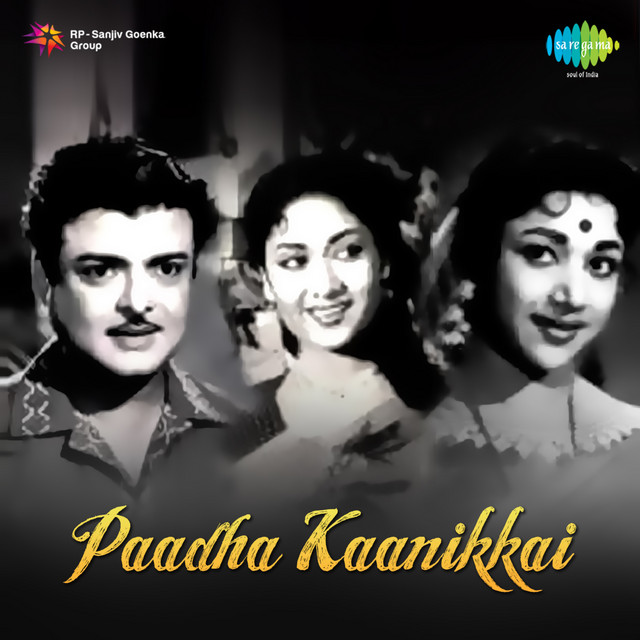
From Paadha Kaanikkai · 1962

Lyricist
Lyricist Not Known
Singer
T. M. Soundararajan
Music director
Vishwanathan-Ramamoorthy
Details
Paadha Kaanikkai1962

Lyrics & meaning

Tanglish lyrics English translation
Male
Aadiya aatamThe dances danced,
Enna pesiya vaarthaiwhat of them? The spoken words,
Enna thediya selvamwhat of them? The wealth accumulated,
Ennawhat of it?
Male
ThirandathorThe vast extended family,
Sutramenna kooduvituwhat of them? When the soul leaves the body,
Aavi ponaal koodavae varuvadhennawhat comes along with you?
Male
{ Veedu varai uravu{ Relatives accompany only up to the home,
Veedhi varai manaiviA wife accompanies up to the street,
Kaadu varai pillaiA child accompanies up to the cremation ground,
Kadaisi varai yaro } (2)Who stays until the very end? } (2)
Male
{ Aadum varai aatam{ Dance as long as you can dance,
Aayirathil naatam } (2)Desire a thousand things } (2)
Koodivarum kootamThe crowd that gathers around,
Kollivarai varumaWill it come till the funeral pyre?
Male
Veedu varai uravuRelatives accompany only up to the home,
Veedhi varai manaiviA wife accompanies up to the street,
Kaadu varai pillaiA child accompanies up to the cremation ground,
{ Kadaisi varai yaro } (2){ Who stays until the very end? } (2)
Female
……………………...
Male
{ Thottiluku annai{ A mother for the cradle,
Kattiluku kanni } (2)A maiden for the bed } (2)
Pattiniku theeniFood for hunger,
Ketta pinbu gnyaaniA wise sage only after being ruined,
Male
Veedu varai uravuRelatives accompany only up to the home,
Veedhi varai manaiviA wife accompanies up to the street,
Kaadu varai pillaiA child accompanies up to the cremation ground,
{ Kadaisi varai yaro } (2){ Who stays until the very end? } (2)
Male
{ Sendravanai ketaal{ If you ask the one who has departed,
Vandhuvidu enbanHe will say 'Come away',
Vandhavanai ketaalIf you ask the one who has arrived here,
Sendruvidu enban } (2)He will say 'Go away' } (2)
Sendruvidu enbanHe will say 'Go away'
Male
Veedu varai uravuRelatives accompany only up to the home,
Veedhi varai manaiviA wife accompanies up to the street,
Kaadu varai pillaiA child accompanies up to the cremation ground,
{ Kadaisi varai yaro } (2){ Who stays until the very end? } (2)
Male
Vituvidum aaviThe life spirit will depart,
Pattuvidum meniThe body will wither,
Suttuvidum nerupuThe fire will burn,
{ Sooniyathil nilaipu } (2){ Existence ends in nothingness } (2)
Male
Veedu varai uravuRelatives accompany only up to the home,
Veedhi varai manaiviA wife accompanies up to the street,
Kaadu varai pillaiA child accompanies up to the cremation ground,
{ Kadaisi varai yaro } (2){ Who stays until the very end? } (2)

Beyond the translation

Song interpretation

This iconic philosophical song from the 1962 movie Paadha Kaanikkai ponders the ultimate reality of mortality and human existence. It illustrates how worldly affection, wealth, prestige, and family relationships are strictly temporary. Relatives stand by only up to the doorstep, a spouse accompanies the body to the street, and children go as far as the cremation grounds; beyond that, the soul journeys entirely alone into nothingness.

Writing craft

Poetic devices

Anaphora / Repetition (Edhugai / Monorhyme)

Veedu varai uravu / Veedhi varai manaivi / Kaadu varai pillai

The repetitive use of 'varai' (up to) in 'Veedu varai', 'Veedhi varai', 'Kaadu varai', and 'Kadaisi varai' creates a stark rhythmic progression emphasizing physical and emotional boundaries.

Antithesis / Parallelism

Sendravanai ketaal vandhuvidu enban / Vandhavanai ketaal sendruvidu enban

Contrasting 'Sendravan' (the one who left) and 'Vandhavan' (the one who came) underlines the cyclic nature of birth and death.

Iyaibu (Rhyming Endings)

Vituvidum aavi / Pattuvidum meni / Suttuvidum nerupu

Matching rhyming suffixes like 'aavi', 'meni', and 'nerupu' / 'nilaipu' build poetic momentum leading to spiritual realization.

Did you know?

Trivia

Written by the poet Kaviarasu Kannadasan, set to music by the legendary duo Viswanathan-Ramamoorthy, and sung by T. M. Soundararajan, 'Veedu Varai Uravu' is widely regarded as one of the greatest philosophical songs in Tamil cinema history, celebrated for its profound truth about life and death.

Keep listening

More from Paadha Kaanikkai