- Lyricist
- Andal
- Singers
- Vibha Sharma, Asha Bhosle
- Music director
- Ilayaraja
- Movie name
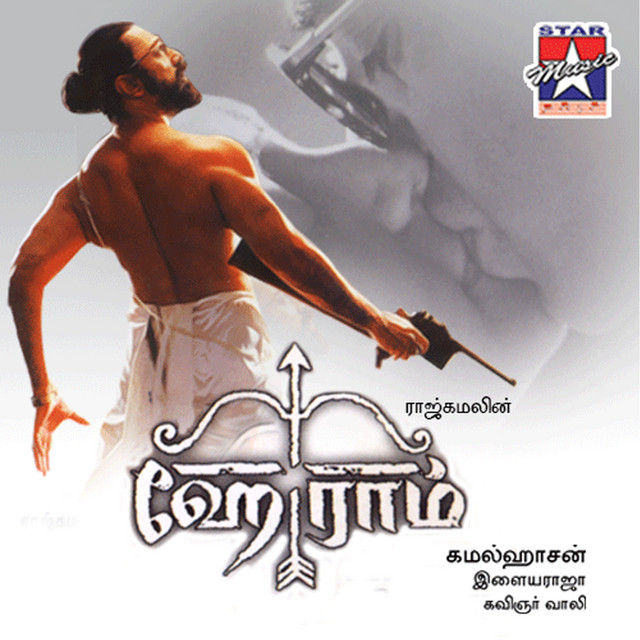
- Hey Ram
- Movie release year
- 2000
- Lyrics added on
- 10 Aug 2017
Lyrics & meaning
Beyond the translation
Overall song meaning
This unique sequence blends Narsinh Mehta's famous 15th-century Gujarati hymn 'Vaishnav Jan To' with Kodhai (Andal)'s classic 8th-century Tamil Pasuram 'Vaaranam Aayiram' from Nachiyar Thirumozhi, as featured in Kamal Haasan's film 'Hey Ram' (2000) with music arranged by Ilaiyaraaja. The first section highlights the highest ethical virtue of empathy, defining a true spiritual seeker as one who feels the suffering of others and serves selflessly without arrogance. The second section transitions into vivid divine romanticism, where Andal recounts a sacred dream to her friend in which Lord Narayana enters in a grand procession amidst a thousand elephants, welcomed by golden urns and festive decorations across the town.
Writing craft
Poetic devices
Ethical Definition / Anaphora
“Vaishnav jan to”
The repeated refrain 'Vaishnav jan to tene kahiye je' establishes a definitive moral guideline for what constitutes true devotion.
Visual Imagery (Thoondal / Vaarnanai)
“Vaaranam aayiram / Soozha valam seithu”
Andal creates grand royal imagery using thousand elephants and full golden pots to portray her mystical dream of divine marriage.
Tamil Initial Rhyme / Moonaikkuyippu
“Poorana porkudam”
The repetition of the 'Po' sound at the start of words ('Poorana porkudam') creates melodic rhythm (Amonai) in traditional Tamil verse.
Did you know?
Trivia
In 'Hey Ram' (2000), directed by Kamal Haasan, this piece juxtaposes Mahatma Gandhi's favorite Gujarati bhajan 'Vaishnav Jan To' with Andal's Tamil devotional poem 'Vaaranam Aayiram'. Ilaiyaraaja composed the score for the film, replacing original composer L. Subramaniam, and seamlessly interwoven traditional devotional poetry to emphasize the cross-cultural Gandhian spirit and historical period of the film.
Keep listening
Songs with a similar feeling
From the same album
More songs from Hey Ram
View albumSpot an issue?
Help us improve the lyrics or English translation.