Skip to content
Isaimozhi
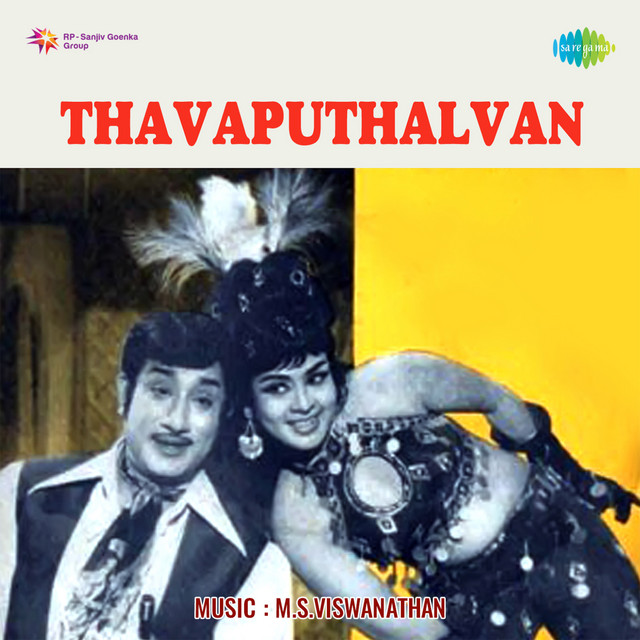
Thavapudhalavan album cover
Lyrics & meaning

Isai Kettal Puvi

From Thavapudhalavan · 1972

Lyricist
Kannadasan
Singer
T. M. Soundararajan
Music director
M. S. Vishwanathan
Movie name
Thavapudhalavan
Movie release year
1972
Lyrics added on
3 Mar 2020

Lyrics & meaning

♫ Tanglish lyrics
↻ English translation
Aa… aa… aa… aa…
Aa… aa… aa… aa… aa…
Haa….aaa….aa….aa…
Isai kettaal puvi asaindhaadum
Adhu iraivan arulaagum
Isai kettaal puvi asaindhaadum
Adhu iraivan arulaagum
Ezhaam kadalum vaanum nilavum
Ennudan vilaiyaadum
Isai ennidam uruvaagum
Isai kettaal puvi asaindhaadum
Adhu iraivan arulaagum
En paadal sevi ketkkum virundhaagalaam
En paadal noi theerkkum marundhaagalaam
En paadal sevi ketkkum virundhaagalaam
En paadal noi theerkkum marundhaagalaam
En maenmai iraivaa un arulaadhalaal…
En maenmai iraivaa un arulaadhalaal
Eriyaadha dheepathil oli vendinen
Ezhaam kadalum vaanum nilavum
Ennudan vilaiyaadum
Isai ennidam uruvaagum
Vidhiyodu vilaiyaadum raagangalae
Vilakkaettri uyir kaakka vaarungalae
Kanalaendhi vaarungal dheepangalae… ae… ae…
Kanalaendhi vaarungal dheepangalae
Karaindhodum noi ennum paavangalae
Thathum kadalalai odi odi varum
Endhan isaiyudan aadi aadi varum
Dheepangalae
Endhan isaiyudan paadal ketta pinnum
Innum varavillai seidha paavamenna
Dheepangalae
Kannil kanal vara paada vendumenil
Minnum oliyudan nooru paadal varum
Dheepangalae… dheepangalae…
Isai kettaal puvi asaindhaadum
Adhu iraivan arulaagum…
Aa.....aa....aa....aa....
Aa.....aa....aa....aa....aa
Haa......aa.....aa.....aa....
When it hears music, the earth sways and dances
That is the grace of God
When it hears music, the earth sways and dances
That is the grace of God
The seven seas, the sky, and the earth
Play along with me
Music is born from within me
When it hears music, the earth sways and dances
That is the grace of God
My song may be a feast for the ears
My song may be a cure that heals illness
My song may be a feast for the ears
My song may be a cure that heals illness
My greatness, O Lord, is all Your blessing
From an unlit lamp, I prayed for light
The seven seas, the sky, and the earth
Play along with me
Music is born from within me
O melodies that play with destiny,
Come, light the lamp and save a life!
Come bearing flames, O lamps.......ah......ah.....
Come bearing flames, O lamps
Let the sins of illness melt away and vanish
The leaping ocean waves come rushing
Dancing along with my music
O lamps!
Even after hearing my music and song,
The flame hasn't arrived—what sin was committed?
O lamps!
If I must sing until fire sparks in my eyes,
A hundred songs will burst forth with blazing light!
O lamps......... O lamps........
When it hears music, the earth sways and dances
That is the grace of God.....
Male
Male
Male
Male
Male
Male
Male
Male
Male
Male
Male
Male

Beyond the translation

Overall song meaning

This classic song, composed by M. S. Viswanathan with lyrics by Kannadasan and sung by T. M. Soundararajan for Sivaji Ganesan in the film 'Thavapudhalavan' (1972), celebrates the miraculous power of divine music. The protagonist sings with intense devotion and emotional fervour, describing music as a divine blessing capable of moving nature itself—the earth, sky, moon, and seven seas. He believes his music can act as a feast to the ears and a healing remedy for ailments. As the song reaches its emotional crescendo, the protagonist pleads with the ragas and lit lamps to save a life, viewing music as a force powerful enough to challenge destiny itself. The narrative reflects deep faith, passion, and the classical Indian belief that music infused with intense emotion and divine devotion can light unlit lamps and bring forth life-saving miracles.

Writing craft

Poetic devices

Metaphor (Uruvagam)

En paadal sevi ketkkum virundhaagalaam / En paadal noi theerkkum marundhaagalaam

Compares song directly to a feast for the ears ('sevi ketkkum virundhu') and medicine for illness ('noi theerkkum marundhu').

Personification (Tharkiipetru Aniyiyal)

Ezhaam kadalum vaanum nilavum ennudan vilaiyaadum

Attributes human behaviors like playing and dancing to natural elements like the sea, sky, moon, and ocean waves.

Apostrophe / Direct Address

Vidhiyodu vilaiyaadum raagangalae / Vilakkaettri uyir kaakka vaarungalae

Directly addresses musical ragas and lamps ('dheepangalae') as living entities capable of intervening in destiny.

Hyperbole (Uyarvu Navitchi Ani)

Isai kettaal puvi asaindhaadum

Exaggerates the power of music, stating that the entire earth moves and sways upon hearing it.

Rhyme / Alliteration (Monai & Ethirhai)

En paadal sevi ketkkum virundhaagalaam / En paadal noi theerkkum marundhaagalaam

Repetition of initial and second consonant sounds across lines (e.g., 'Isai' / 'Adhu', 'En paadal' / 'En paadal') creating rhythmic harmony.

Did you know?

Trivia

In 'Thavapudhalavan' (1972), Sivaji Ganesan played a blind musician who runs an asylum. This iconic song rendered by T. M. Soundararajan and composed by M. S. Viswanathan is famous for its dramatic depiction of music lighting unlit lamps (reminiscent of the classical legend of Raga Deepak).

Keep listening

Songs with a similar feeling

From the same album

More songs from Thavapudhalavan

View album

Spot an issue?

Help us improve the lyrics or English translation.