Skip to content
Isaimozhi
Lyrics & meaning

Unnai Thedinen Kannane

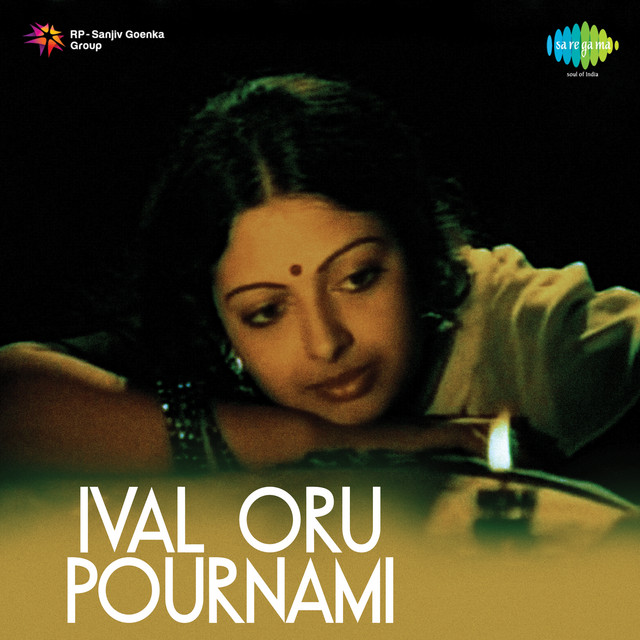
From Ival Oru Pournami · 1987

Lyricist
Vairamuthu
Singer
S. Janaki
Music director
T. K. Ramamoorthy
Details
Ival Oru Pournami1987

Lyrics & meaning

Tanglish lyrics English translation
Female
…………………....
Female
Unnai thedinen kannanaeI searched for you, my Kannan.
Naanae unnai thedinen kannanaeI myself searched for you, my Kannan.
Naanae kanavu kaangiraenI am dreaming all by myself.
Radhaiyn kangalil seedhaiyin vedhaniIn Radha's eyes lies the anguish of Sita.
Unnai thedinen……I searched for you...
Female
Antha naatgal engae kannaaWhere are those days gone, Kannan?
Mugunthaa krishna….aa….aaa….aa…..Mukundha, Krishna... ah...
Antha naatgal engae kanneer pookkal ingaeWhere are those days? Only flowers of tears remain here.
Brinthavanam angae bedhai nenjam ingaeBrindhavanam is over there, but this simple heart is stuck here.
Female
Kannanae ival manam uruguthuOh Kannan, her heart is melting.
Ninaivugal palatharam vara oru varam peraAs memories flood in various ways, seeking a single boon.
Unnai thedinen kannanaeI searched for you, my Kannan.
Naanae unnai thedinen kannanaeI myself searched for you, my Kannan.
Female
Sagagama pathanipasa saanipamagaSa Ga Ga Ma Pa Tha Ni Pa Sa Sa Ni Pa Ma Ga
Sagagama pathanipasa saanipamaga….Sa Ga Ga Ma Pa Tha Ni Pa Sa Sa Ni Pa Ma Ga...
Female
Paarththan nindra theril geedhai sonna kannaaOh Kannan, who recited the Gita on the chariot where Arjuna stood.
Bedhai indru sellum paadhai enna mannaaOh Lord, what path is this innocent girl walking today?
Leelai seithu andru selai thantha kannaaOh Kannan, who performed divine plays and granted the saree that day.
Female
Leelai seithu andru selai thantha kannaaOh Kannan, who performed divine plays and granted the saree that day.
Vithi indru seiyum velai enna mannaaOh Lord, what play is fate orchestrating today?
Illaiyaa manam thanil garishanamIs there no divine attraction or love left in your heart?
Orumurai tharisanam koduGrant your divine vision at least once.
Female
Unnai thedinen kannanaeI searched for you, my Kannan.
Naanae unnai thedinen kannanaeI myself searched for you, my Kannan.
Female
En meedhu kannaa yaen kobamoOh Kannan, why this anger towards me?
Poopaalam kettaal puyal veesumoIf one asks for a morning melody, will a storm blow instead?
Oru enmam pogum adhanaalennaOne life may pass away, so what of it?
Maru jenmam undu inainthaalennaWhat if we unite together in the next birth?
Female
Kannanae ilamaiyil thanimaiyilOh Kannan, in youth and in deep solitude,
Dhinam dhinam uruguthu vizhi mazhai pozhiyuthuIt melts day after day, while rain pours from my eyes.
Female
Unnai thedinen kannanaeI searched for you, my Kannan.
Naanae kanavu kaangiraenI am dreaming all by myself.
Radhaiyn kangalil seedhaiyin vedhaniIn Radha's eyes lies the anguish of Sita.
Unnai thedinen……I searched for you...
Aaa…..aaa…aa….aa…aaa…..Ah... ah... ah...

Beyond the translation

Song interpretation

This expressive song conveys the acute pain of separation, devotion, and romantic longing experienced by a woman searching for her beloved Kannan (Krishna). She draws a striking comparison between Radha, who signifies divine love, and Sita, who embodies enduring pain and exile, capturing how her love feels burdened by suffering. She questions fate and Krishna's silence, pleading for a glimpse of him to comfort her melting heart and tear-filled eyes.

Writing craft

Poetic devices

Mythological Allusion & Contrast

Radhaiyn kangalil seedhaiyin vedhani

Juxtaposes Radha (symbol of ecstatic love and passion) with Sita (symbol of pain, trial, and separation) to depict her emotional conflict.

Iyaibu (End Rhyme)

Paarththan nindra theril geedhai sonna kannaa / Bedhai indru sellum paadhai enna mannaa

Rhyming words 'kannaa' and 'mannaa' at line endings create a lyrical, rhythmic flow in the stanza.

Metaphor (Uvagam)

Antha naatgal engae kanneer pookkal ingae

Refers to tears metaphorically as flowers ('kanneer pookkal') to highlight the poetic beauty within her grief.

Did you know?

Trivia

Written by poet Vairamuthu for the 1987 film 'Ival Oru Pournami', the song stands out for intertwining classical Carnatic swara passages with profound mythological metaphors, comparing the protagonist's plight to both Radha and Sita.

Keep listening

More from Ival Oru Pournami