- Lyricist
- Ku. Ma. Balasubramaniam
- Singer
- T. M. Soundararajan
- Music director
- T. G. Lingappa
- Movie name
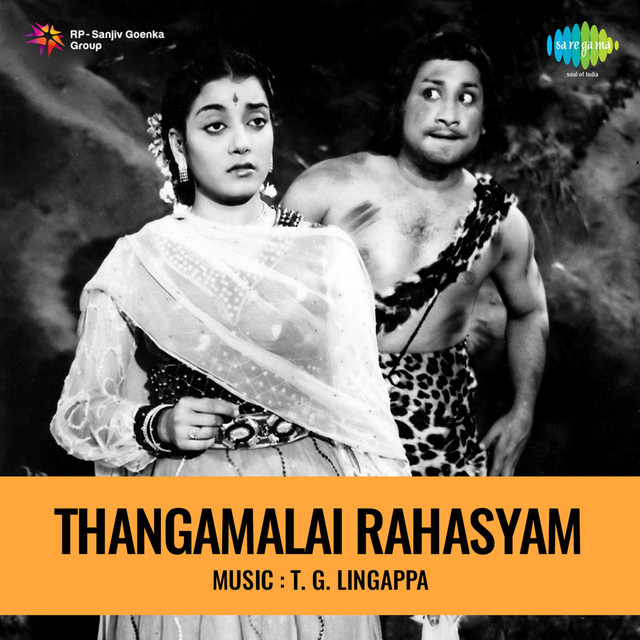
- Thangamalai Ragasiyam
- Movie release year
- 1957
- Lyrics added on
- 5 Apr 2022
Lyrics & meaning
Beyond the translation
Overall song meaning
This iconic passage emphasizes the supreme reverence owed to parents, declaring that no temple is greater than one's mother. It serves as a moral reminder that selfless parents give life to their children, making it an essential filial duty to relieve their pain and suffering. The singer appeals emotionally, questioning how one's heart can remain hardened and unfeeling despite witnessing severe distress and hearing desperate pleas for help.
Writing craft
Poetic devices
Metaphor / Cultural Allusion
“Thaaiyai sirandhadhu oru kovilum illai”
Equating a mother to the highest temple or sacred sanctuary.
Monai (Initial Alliteration)
“Thaaiyai sirandhadhu oru kovilum illai”
Repetition of the 'Tha' sound at the beginning of words across consecutive lines (Thaaiyai, Thaaraniyil, Thannalam).
Rhetorical Question (Vinaa Ani)
“Thavirthal nin kadan allavoo”
Using persistent questioning ('allavoo', 'ketkavillaiyoo', 'kanindhidadhoo') to appeal to moral conscience and evoke empathy.
Repetition for Emphasis (Anaphora)
“Un nenjam kanindhidadhoo”
Repeating 'Nenjam kanindhidadhoo' across the final lines to intensify emotional desperation.
Did you know?
Trivia
'Thaaiyai sirandhadhu oru kovilum illai' from Thangamalai Ragasiyam (1957) became one of Tamil cinema's most legendary moral adages. Sung powerfully by T. M. Soundararajan, the opening line remains a timeless proverb in Tamil culture representing maternal reverence.
Keep listening
Songs with a similar feeling
From the same album
More songs from Thangamalai Ragasiyam
View albumSpot an issue?
Help us improve the lyrics or English translation.