Skip to content
Isaimozhi
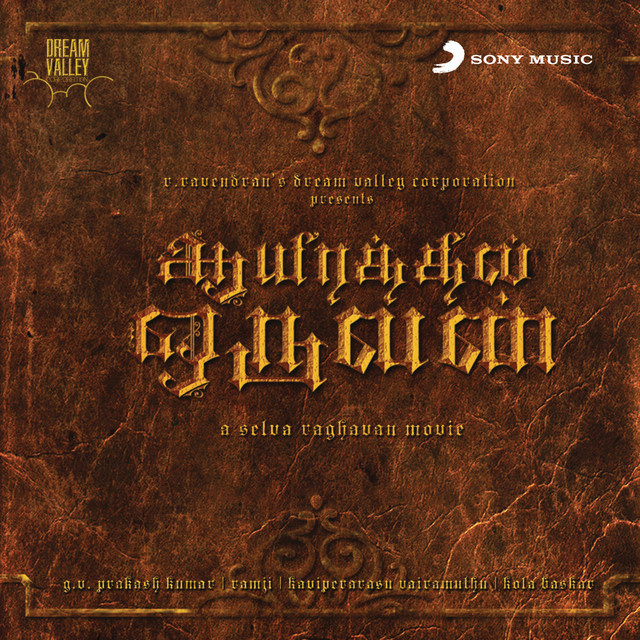
Aayirathil Oruvan (2010) album cover
Lyrics & meaning

Thaai Thindra Mannae (The Cholan Ecstasy)

From Aayirathil Oruvan (2010) · 2010

Lyricist
Vairamuthu
Singer
Vijay Yesudas
Music director
G. V. Prakash Kumar
Movie name
Aayirathil Oruvan (2010)
Movie release year
2010
Lyrics added on
15 Sept 2018

Lyrics & meaning

♫ Tanglish lyrics
↻ English translation
Thaai thindra mannae
Ithu pillaiyin katharal
Oru per arasan pulambal
Thaai thindra mannae
Pillaiyin katharal
Pillaiyin katharal
Oru per arasan pulambal
Per arasan pulambal
Nel aadiya nilam engae
Sol aadiya avai engae
Vil aadiya kalam engae
Kal aadiya silai engae
Thaai thindra mannae
Thaai thindra mannae ..ae….
Mmm…mmm…mmm…
Mmm…mmm….
Thaa thin ka
Thikka thakka
Thaa
Thira nena thaa
Jika thakka thaa
Kayal vilaiyaadum
Vayal veli thaedi
Kaainthu kazhinthana
Kangal
Kaaviri malarin
Kadi manam thaedi
Karugi mudinthathu
Naa..aasi
Silai vazhi maevum
Uli oli thaedi
Thirugi vizhunthana
Sevigal
Oon pothi sottrin
Thaen suvai karuthi
Otti ularnthathu
Naavum mm…mm..
Puli kodi poriththa
Chozha maanthargal
Eli kari korippathuvo oo oo
Kaattrai kudikkum
Thaavaram aagi
Kaalam kazhippathuvo..oo..oo..
Mandai odugal
Mandiya naattai
Mannan aaluvatho oo
Mannan aaluvatho
Hoo oo oo oo oo oo
Thaai thindra mannae
Thaai thindra mannae ..ae…ae…
……………………..
Norungum udalgal
Pithungum uyirgal
Azhugum naadu
Azhugindra arasan
Pazham thinnum kiliyo
Pinam thinnum kazhugo
Thootho mun vinai theetho
Kalangalum athira
Kalirugal pilira
Chozhan azhaiththu povaayo
Thangamae ennai
Thaai mannil serththaal
Thurvigal polae
Purandiruppom
Aayiram aandugal
Serththa kanneerai
Aruvigal polae
Azhuthiruppom
Thamizhar kaanum thuyaram kandu
Thalaiyai suttrum kolae azhaathae
Endro oru naal vidiyum endrae
Iravai sumakkum naalae azhaathae
Noottraandugalin thuruvai thaangi
Uraiyil thoongum vaalae azhaathae
Enthan kannin kanneer kazhuva
Ennodazhum yaazhae azhaathae ..ae…ae…ae…
Nel aadiya nilam engae
Sol aadiya avai engae
Vil aadiya kalam engae
Kal aadiya silai enga
Thaai thindra mannae
Ithu pillaiyin katharal
Oru per arasan pulambal
O land that devoured my mother!
This is her child's cry,
a great king's lament.
O land that devoured my mother!
A child's desperate cry,
a child's desperate cry,
a great king's lament,
a great king's lament.
Where is the land where paddy danced?
Where is the court where eloquence reigned?
Where is the battlefield where bows danced?
Where is the statue sculpted from stone?
O land that devoured my mother!
O land that devoured my mother...
Mmm... mmm... mmm...
Mmm... mmm...
Dha thin ka
Thikka thakka
Dha
Thira nena dha
Jiga thakka dha
Searching for the fields
where fish once played,
have dried and wasted away,
these eyes.
Seeking the sweet fragrance
of Cauvery's blooming flowers,
has burnt out and faded,
this nose.
Listening for the sound of chisels
sculpting living stone,
have twisted and failed,
these ears.
Longing for the rich, honeyed taste
of rice cooked with meat,
has parched and shriveled,
this tongue... mmm... mmm...
The Chola people who bore
the royal tiger flag,
are they now gnawing on rat meat?
Becoming like plants
that survive only on air,
is this how we must pass our days?
A land swarming
with human skulls—
is this what a king must rule?
Is this what a king must rule?
Hoo oo oo oo oo oo
O land that devoured my mother!
O land that devoured my mother...
...
Shattering bodies,
suffocating lives,
a rotting kingdom,
a weeping king.
Is this a parrot eating fruit,
or a vulture feasting on corpses?
Is it a message of hope, or our past sins?
As battlefields tremble
and war elephants trumpet,
O Chola, will you lead us away?
My precious one, if you take me back
to our motherland,
like holy ascetics
we would roll upon the ground.
The tears held inside
for a thousand years,
like rushing waterfalls
we would weep them all out.
Seeing the sorrow the Tamils endure,
O spinning planet, do not weep!
Believing that dawn will break one day,
O day carrying the night, do not weep!
Bearing the rust of centuries,
O sword sleeping in your sheath, do not weep!
To wash away the tears from my eyes,
O yaazh (ancient Tamil harp) weeping with me, do not weep...
Where is the land where paddy danced?
Where is the court where eloquence reigned?
Where is the battlefield where bows danced?
Where is the statue sculpted from stone?
O land that devoured my mother!
This is her child's cry,
a great king's lament.
Male
Male
Male
Chorus
Female
Male
Male
Male
Male
Male
Male
Male
Chorus
Male
Male
Male
Male
Male
Male
Male

Beyond the translation

Overall song meaning

Thaai Thindra Mannae is a poignant and haunting lamentation from the movie Aayirathil Oruvan. Sung from the perspective of the last surviving Chola king living in hidden exile, the song expresses deep agony over the fall of a grand civilization. The king mourns how his once prosperous kingdom, famous for its art, rich fields, and mighty armies, has been reduced to a desolate wasteland of skulls where his star-struck people are forced to eat rat meat and live in extreme deprivation. Despite the intense grief, the song echoes a powerful sense of longing for redemption and return to the motherland. The king addresses non-living symbols of royalty—his sword, his scepter, and his yaazh instrument—urging them not to weep, as he holds onto the faint hope of a dawn that will eventually break for his suffering people.

Writing craft

Poetic devices

Edhugai (Second-letter Rhyming)

Nel aadiya / Sol aadiya / Vil aadiya / Kal aadiya

The second letter 'l' ('"+'") is repeated across consecutive lines to create a rhythmic harmony.

Personification

Uraiyil thoongum vaalae azhaathae / Ennodazhum yaazhae azhaathae

Inanimate objects like the sword, scepter, and musical instrument (yaazh) are personified as entities that mourn and cry.

Simile (Upamai)

Aruvigal polae azhuthiruppom

Comparing the outflow of accumulated tears of a thousand years to cascading waterfalls.

Did you know?

Trivia

This track serves as the emotional climax of Selvaraghavan's epic fantasy film 'Aayirathil Oruvan' (2010). The track brings out the tragic grandeur of the remnant Chola kingdom through archaic Tamil vocabulary and traditional orchestration.

Keep listening

Songs with a similar feeling

From the same album

More songs from Aayirathil Oruvan (2010)

View album

Spot an issue?

Help us improve the lyrics or English translation.