Skip to content
Isaimozhi
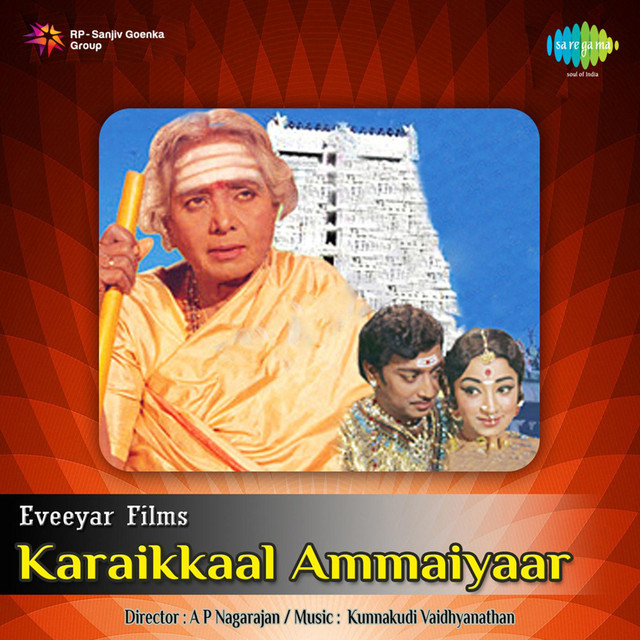
Karaikkal Ammaiyar album cover
Lyrics & meaning

Piravatha Varam Vendum

From Karaikkal Ammaiyar · 1973

Lyricist
Kannadasan
Singer
K. B. Sundarambal
Music director
Kunnakudi Vaidyanathan
Movie name
Karaikkal Ammaiyar
Movie release year
1973
Lyrics added on
21 May 2020

Lyrics & meaning

♫ Tanglish lyrics
↻ English translation
Piravaadha varam vendum
Ini piravaadha varam vendum
En pizhaiyaalae naan meendum
Piranthu vittaal
Unnai maravaadha varam vendum
Piravaadha varam vendum
En pizhaiyaalae naan meendum
Piranthu vittaal
Unnai maravaadha varam vendum
Piravaadha varam vendum
Iravaadha inba anbum
Uravaadha thooya panbum
Niraivaana unmai nenjum
Iraivaa nee thandhaalum
Piravaadha varam vendum
En pizhaiyaalae naan meendum
Piranthu vittaal
Unnai maravaadha varam vendum
Pani padarntha thiru kailangiriyil
Ani thiranda malar munivar un kulamum
Iniya gandharavar isai perum pulavar
Anaivarum thozhuthu un iru padham paniya
Vaanavar thaanavar naadu kulunga
Paavai manohari maadhar kulunga
Naaranan naanmugan maeni kulunga
Naa magal poo magal vaazhvu kulunga
Sekkilai suthama natpugal ezhuvagai
Arpudha panbugal oppiya isaiyena
Mathalam sethari kokkari muzhamozhi
Thaththimi thathjunu thakida thagavena
Muzhanga nadamidum
Sathangai aniyidhu padhangal nidhamum
Vanangi vazhi pada
Piravaadha varam vendum
En pizhaiyaalae naan meendum
Piranthu vittaal
Unnai maravaadha varam vendum
Piravaadha varam vendum
I seek the boon of never being born again.
Grant me the boon of never being born again.
If, because of my sins, I am once again
born into this world,
grant me the boon of never forgetting you!
I seek the boon of never being born again.
If, because of my sins, I am once again
born into this world,
grant me the boon of never forgetting you!
I seek the boon of never being born again.
Even if you grant me endless, joyful love,
a pure nature that embraces all as kin,
and a heart full of truth—
O Lord, even if you give me all of these,
I still seek the boon of never being born again!
If, because of my sins, I am once again
born into this world,
grant me the boon of never forgetting you!
On sacred Mount Kailash blanketed in snow,
where sages offering flowers gather in rows along with your clan,
where sweet Gandharvas (divine musicians) and great musical poets
all bow down to worship your holy feet,
making the realms of gods and demons tremble,
making the enchanting Parvati and divine women sway,
making the bodies of Narayana (Vishnu) and four-faced Brahma shake in awe,
stirring the lives of Saraswati and Lakshmi,
with pure tones, harmonious chords, and the seven musical notes,
as music filled with wondrous beauty resounds,
with the echoes of maddalam, shedari, and kokkarai drums,
beating to the rhythm of "Thathimi thathjunu thakita thaka,"
as you dance to the thunderous rhythms—
to always adore those feet adorned with anklets,
and bow down in worship,
I seek the boon of never being born again!
If, because of my sins, I am once again
born into this world,
grant me the boon of never forgetting you!
I seek the boon of never being born again.
Female
Female
Female
Female
Female
Female
Female
Female
Female
Female
Female

Beyond the translation

Overall song meaning

This classic devotional composition expresses the intense spiritual longing of Karaikkal Ammaiyar for liberation (Moksha) from the endless cycle of birth and rebirth. She prays to Lord Shiva for the ultimate gift: never to be born again into the mortal world. However, recognizing that her past karma might compel another birth, her single condition is that she must never forget Him, maintaining unbroken devotion throughout any existence.

Writing craft

Poetic devices

Refrain (Pallavi repetition)

Piravaadha varam vendum

The core phrase 'Piravaadha varam vendum' (I seek the boon of no more birth) is repeated constantly throughout the song, underscoring the singer's primary spiritual goal.

Second-letter Rhyme (Ethukai)

Iravaadha inba anbum / Uravaadha thooya panbum / Niraivaana unmai nenjum

The second consonant 'ra' creates a rhythmic harmony across consecutive lines.

Rhythmic Onomatopoeia (Sollukattu)

Thaththimi thathjunu thakida thagavena

Pneumonic syllables representing drum patterns mimicking Lord Shiva's cosmic dance (Ananda Thandavam).

Hyperbole and Imagery

Vaanavar thaanavar naadu kulunga

Dramatic imagery illustrating the entire cosmos, gods, goddesses, and realms trembling with joy at Shiva's dance.

Did you know?

Trivia

This song is directly adapted from the historic 6th-century Tamil Saivite hymn 'Arputha Thiruvanthathi' composed by Karaikkal Ammaiyar, one of the 63 Nayanmars. For the 1973 film, Kannadasan penned lyrics matching her original classical verse ('Iravaadha Anbu Vendum'), set to music by Kunnakudi Vaidyanathan and powerfully rendered by legendary musician K. B. Sundarambal.

Keep listening

Songs with a similar feeling

From the same album

More songs from Karaikkal Ammaiyar

View album

Spot an issue?

Help us improve the lyrics or English translation.