Skip to content
Isaimozhi
Lyrics & meaning

Oru Veedu Iru Ullam

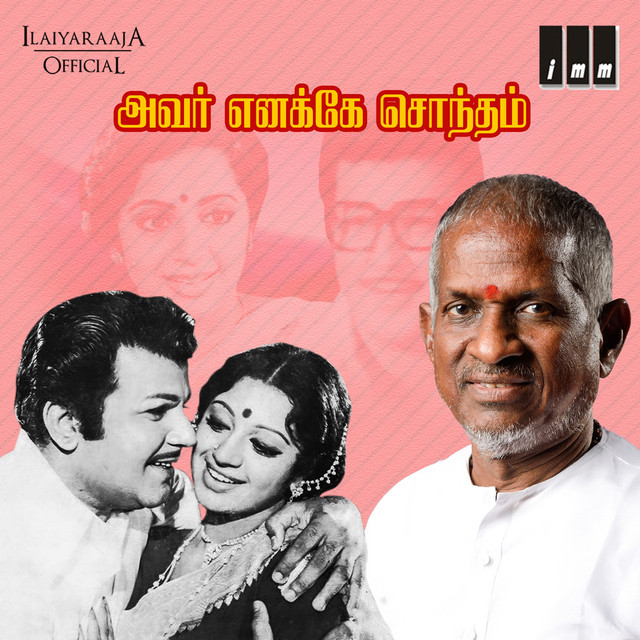
From Avar Enakke Sontham · 1977

Lyricist
Kannadasan
Singer
S. P. Balasubrahmanyam
Music director
Ilayaraja
Details
Avar Enakke Sontham1977

Lyrics & meaning

Tanglish lyrics English translation
Male
Oru veedu iru ullamOne house, two hearts
Oru kovil iru dheivamOne temple, two deities
Iru kangal ondraagaTwo eyes looking together
Iru kaatchi thaniyaagaYet seeing two separate sights
Male
Kannae kaakkumIf the god who guards the eyes
Dheivam kallaanaalTurns into a stone
Anbae paarkkumI am here as the deity
Dheivam naan unduWho watches over with love
Kannae kaakkumIf the god who guards the eyes
Dheivam kallaanaalTurns into a stone
Anbae paarkkumI am here as the deity
Dheivam naan unduWho watches over with love
Male
Oru veedu iru ullamOne house, two hearts
Oru kovil iru dheivamOne temple, two deities
Iru kangal ondraagaTwo eyes looking together
Iru kaatchi thaniyaagaYet seeing two separate sights
Male
Thaai illaa saei ondruA motherless child
Thaai kettadhuAsked for a mother
Saei illaa thaai ondruA childless mother
Saei kaettadhuAsked for a child
Thaai undu saei unduThere is a mother, there is a child
Gunam illaiyae gunam illaiyaeYet there is no warmth, no warmth between them
Male
Thaai illaa saei ondruA motherless child
Thaai kettadhuAsked for a mother
Saei illaa thaai ondruA childless mother
Saei kaettadhuAsked for a child
Thaai undu saei unduThere is a mother, there is a child
Gunam illaiyae gunam illaiyaeYet there is no warmth, no warmth between them
Thaalaattavum seeraattavumTo sing lullabies and to pamper
Thamizh andri verannaiOther than Tamil, what mother
Namakkillaiyae namakkillaiyaeDo we have, do we have?
Male
Oru veedu iru ullamOne house, two hearts
Oru kovil iru dheivamOne temple, two deities
Iru kangal ondraagaTwo eyes looking together
Iru kaatchi thaniyaagaYet seeing two separate sights
Male
Padhinoru mani aanaalWhen it strikes eleven o'clock
Sirippom kannaeWe will laugh, my dear
Panirendru mani aanaalWhen it strikes twelve o'clock
Azhuvom kannaeWe will weep, my dear
Nam veettu time tableThis is our home's timetable
Adhu thaan kannaeThat is it, my dear
Male
Padhinoru mani aanaalWhen it strikes eleven o'clock
Sirippom kannaeWe will laugh, my dear
Panirendru mani aanaalWhen it strikes twelve o'clock
Azhuvom kannaeWe will weep, my dear
Nam veettu time tableThis is our home's timetable
Adhu thaan kannaeThat is it, my dear
Ilai pottadhum pasithaaganumOnce the leaf is laid out, hunger must come
Ellaamae neraththilEverything at its appointed time
Nadandhaaganum nadandhaaganumMust happen, must happen
Male
Oru veedu iru ullamOne house, two hearts
Oru kovil iru dheivamOne temple, two deities
Iru kangal ondraagaTwo eyes looking together
Iru kaatchi thaniyaagaYet seeing two separate sights

Beyond the translation

Song interpretation

The song 'Oru Veedu Iru Ullam' explores the complex emotional dynamics of a household where people live together yet experience internal distance. It captures the paradox of shared space and separate emotional worlds—comparing a home to a temple containing two deities, or two eyes that look at the same direction yet process distinct sights. Kannadasan poetically addresses themes of longing, maternal affection, and emotional discord, noting how relationships can exist formally without genuine warmth ('Thaai undu saei undu, gunam illaiyae'). Through relatable metaphors like a fixed home 'timetable' where laughter at 11 o'clock turns to tears by 12, the song reflects the unpredictable highs and lows of family life, offering solace in the sweet comfort of language and love.

Writing craft

Poetic devices

Metaphor

Oru kovil iru dheivam

Compares a single household to a sacred temple housing two distinct deities, emphasizing both sanctity and duality.

Muran (Antithesis)

Padhinoru mani aanaal sirippom ... Panirendru mani aanaal azhuvom

Contrasts happiness (laughing at 11) with sorrow (weeping at 12) side by side to illustrate shifting emotional states.

Ethugai (Second letter assonance)

Padhinoru / Panirendru

The second consonant sound ('dhi' / 'ni' phonetically aligning in Tamil verse cadence) creates rhythmic harmony.

Iyaipu (End Rhyme)

Sirippom kannae / Azhuvom kannae

The repetition of 'kannae' at the end of consecutive lines creates a poetic, affectionate rhythm.

Did you know?

Trivia

Composed by Ilaiyaraaja early in his legendary career for the 1977 movie 'Avar Enakke Sontham', this song features lyrics by Kaviarasu Kannadasan. The film stars Jaishankar and Fatafat Jayalaxmi, and the song is widely celebrated for its philosophical depth blended with simple, everyday household imagery.

Keep listening

More from Avar Enakke Sontham