Skip to content
Isaimozhi
Lyrics & meaning

Oru Kodi Pizhai Seithavan

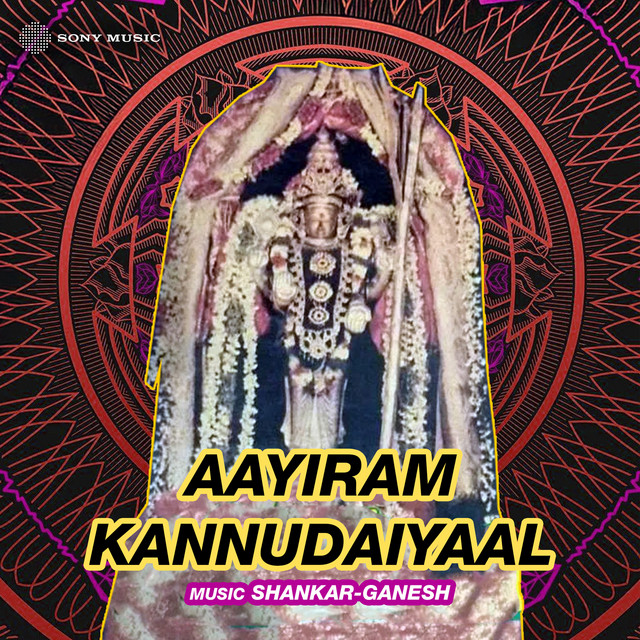
From Aayiram Kannudayaal · 1986

Lyricist
Vaali
Singer
K. J. Jesudass
Music director
Shankar Ganesh
Details
Aayiram Kannudayaal1986

Lyrics & meaning

Tanglish lyrics English translation
Male
Oru kodi pizhai seithavanI am one who committed a crore (ten million) sins,
Nallorkku ooyamal thuyar seithavanI am one who ceaselessly caused sorrow to good people.
Oru kodi pizhai seithavanI am one who committed a crore sins,
Nallorkku ooyamal thuyar seithavanI am one who ceaselessly caused sorrow to good people.
Thaanennum thrukkeri thadumaarinaenConsumed by the fire of self-arrogance, I stumbled,
Dheivaththai madhikkaamal thadam maarinaenDisregarding the Divine, I strayed from the right path.
Perumpaavi kodumpaavi naanthaanaeI am indeed a great sinner, a cruel sinner!
Male
Oru kodi pizhai seithavanI am one who committed a crore sins,
Nallorkku ooyamal thuyar seithavanI am one who ceaselessly caused sorrow to good people.
Male
Porpudai maadhar karpinai naalumEvery day, the chastity of noble women,
Podi podiyaakkiyavanI crushed into tiny pieces.
Nalla paambugal vaazhum puttrugal yaavumAll the anthills where sacred snakes lived,
TheekkiraiyaakkiyavanI consumed them with fire.
Male
Thalai mudhal kaal varai kadum visham yaeraAs severe poison climbed from my head to toe,
Thudiththaen puzhuvaagaI writhed in agony like a worm.
Thaaikkoru thaayena thondriya thayavaeOh Grace, who emerged as a mother to mothers!
Varuvaai viraivaagaCome quickly!
Podhume sodhanai naan padum vedhanaiEnough of this test and the pain I suffer!
Male
Oru kodi pizhai seithavanI am one who committed a crore sins,
Nallorkku ooyamal thuyar seithavanI am one who ceaselessly caused sorrow to good people.
Male
Naaththazhumpera naaththigam pesiSpeaking atheism until calluses formed on my tongue,
Naai pol alainthaenaeI wandered around like a dog.
Ariyaatha sirupillai ivanallavoIs he not just an ignorant young child?
Male
Naalvagai vedham naadiya paadhamThe divine feet sought by the four Vedas,
Idhuthaan arinthaenaeI have finally realized them now.
Ini ennai nee kaakka thadai ennavoWhat is stopping you from saving me now?
Male
Arangkoorum thaayae en abiramiyaeOh Mother hailed in halls, my Goddess Abirami!
Sabaiyeri aadum nal sivagamiyaeOh noble Sivagami who dances on stage!
Om enum nadhamae saranam un paadhamaeOh divine sound of 'Om', I surrender at your feet!
Male
Oru kodi pizhai seithavanI am one who committed a crore sins,
Nallorkku ooyamal thuyar seithavanI am one who ceaselessly caused sorrow to good people.
Thaanennum thrukkeri thadumaarinaenConsumed by the fire of self-arrogance, I stumbled,
Dheivaththai madhikkaamal thadam maarinaenDisregarding the Divine, I strayed from the right path.
Perumpaavi kodumpaavi naanthaanaeI am indeed a great sinner, a cruel sinner!
Thaayae vaa…..thayavae vaa…..Come, Oh Mother! Come, Oh Divine Grace!

Beyond the translation

Song interpretation

This song is a deeply emotional prayer of repentance and surrender to the Divine Mother. The protagonist openly confesses his past transgressions, which include being blinded by ego, harming righteous people, committing sacrilege, and spreading blasphemous atheism. Suffering the consequences of his karma—described as poison wracking his body and causing him to writhe like a worm—he reaches a point of spiritual awakening and humility. Overcome with remorse, he casts away his arrogance and pleads with Goddess Abirami (Sivagami) for divine intervention and forgiveness. He asks the Mother Goddess to treat him as an ignorant child who didn't know any better and to grant him shelter at Her sacred feet, bringing an end to his suffering through Her boundless mercy.

Writing craft

Poetic devices

Simile (Upamai Ani)

Thudiththaen puzhuvaaga

Compares the protagonist's agony and writhing under karmic punishment to that of a worm ('puzhuvaaga').

Simile (Upamai Ani)

Naai pol alainthaenae

Compares his aimless, straying existence while preaching atheism to a wandering dog ('Naai pol').

Metaphor (Uruvagam)

Thaanennum thrukkeri thadumaarinaen

Metaphorically compares self-centered arrogance ('Thaanennum') to a burning spark or fire ('thrukkeri') that caused his downfall.

Monai (Initial Alliteration)

Naaththazhumpera naaththigam pesi

Repetition of the initial sound 'Naa' in 'Naaththazhumpera' and 'naaththigam'.

Iyaipu (End Rhyme)

Thaanennum thrukkeri thadumaarinaen / Dheivaththai madhikkaamal thadam maarinaen

Rhyming ending phrases 'thadumaarinaen' and 'thadam maarinaen' across consecutive lines.

Did you know?

Trivia

Written by the legendary lyricist Vaali, this song showcases his mastery in blending classical Tamil spiritual imagery with deep emotional narrative arcs. 'Aayiram Kannudayaal' (1986) is a Tamil devotional film centered on the power and grace of the Divine Mother Goddess, starring veteran actors like K. R. Vijaya, who was famous for portraying Goddess roles in Tamil cinema.

Keep listening

More from Aayiram Kannudayaal