Skip to content
Isaimozhi
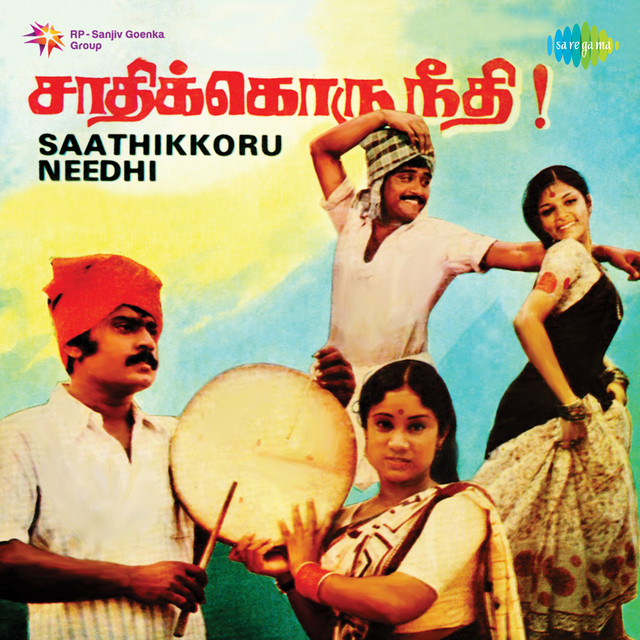
Jadhikkoru Needhi album cover
Lyrics & meaning

Orr Inathu Paravaigale

From Jadhikkoru Needhi · 1981

Lyricist
Pulamaipithan
Singers
D. Srinivas, P. Susheela
Music director
Shankar Ganesh
Movie name
Jadhikkoru Needhi
Movie release year
1981
Lyrics added on
6 Feb 2022

Lyrics & meaning

♫ Tanglish lyrics
↻ English translation
Orr inaththu paravaigalae onnaa serunga
Rendil ondru paarththukkalaam vanthu koodunga
Orr inaththu paravaigalae onnaa serunga
Rendil ondru paarththukkalaam vanthu koodunga
Orr inaththu paravaigalae onnaa serunga
Rendil ondru paarththukkalaam vanthu koodunga
Panam padaiththa koottam ingu veru jaadhithaan dhinam
Paadupadum neeyum naanum orae jaadhithaan
Panam padaiththa koottam ingu veru jaadhithaan dhinam
Paadupadum neeyum naanum orae jaadhithaan
Naalai naalai endru solli yaengividaathae
Nalla velai varum neraththilae thoongividaathae
Naalai naalai endru solli yaengividaathae
Nalla velai varum neraththilae thoongividaathae
Pitchai endru podum kooli vaangividaathae
Avar itchai mozhi kettu ullam mayangividaathae
Pitchai endru podum kooli vaangividaathae
Avar itchai mozhi kettu ullam mayangividaathae
Orr inaththu paravaigalae onnaa serunga
Rendil ondru paarththukkalaam vanthu koodunga
Yaeru kalappai thookkuvathu namathu kaigalthaan
Ingu yaettrathaazhvu neekkuvathu namathu kadamaithaan
Yaeru kalappai thookkuvathu namathu kaigalthaan
Ingu yaettrathaazhvu neekkuvathu namathu kadamaithaan
Ulagaththaiyae thaanguvathu namathu tholgalthaan
Intha bhoomiyengum uzhaikkum varkkam orey jaadhithaan
Ulagaththaiyae thaanguvathu namathu tholgalthaan
Intha bhoomiyengum uzhaikkum varkkam orey jaadhithaan
Orr inaththu paravaigalae onnaa serunga
Rendil ondru paarththukkalaam vanthu koodunga
Rendu jaadhi rendu needhi ingu vendumaa
Ulagil innum kooda varkkabedham vaazhvendumaa
Rendu jaadhi rendu needhi ingu vendumaa
Ulagil innum kooda varkkabedham vaazhvendumaa
………………..
Birds of the same flock, come together!
Let us settle this once and for all, come and unite!
Birds of the same flock, come together!
Let us settle this once and for all, come and unite!
Birds of the same flock, come together!
Let us settle this once and for all, come and unite!
The wealthy crowd here belongs to a different caste,
While you and I who toil every day are of the same caste.
The wealthy crowd here belongs to a different caste,
While you and I who toil every day are of the same caste.
Do not keep longing, waiting for tomorrow,
Do not fall asleep when the right moment arrives.
Do not keep longing, waiting for tomorrow,
Do not fall asleep when the right moment arrives.
Do not accept wages thrown at you like charity,
Do not be swayed by their flattering words.
Do not accept wages thrown at you like charity,
Do not be swayed by their flattering words.
Birds of the same flock, come together!
Let us settle this once and for all, come and unite!
It is our hands that lift the plow,
It is our duty to erase inequality here.
It is our hands that lift the plow,
It is our duty to erase inequality here.
It is our shoulders that bear the weight of the world,
Across the entire earth, the working class is just one caste.
It is our shoulders that bear the weight of the world,
Across the entire earth, the working class is just one caste.
Birds of the same flock, come together!
Let us settle this once and for all, come and unite!
Do we need two castes and two kinds of justice here?
Should class division still exist in this world?
Do we need two castes and two kinds of justice here?
Should class division still exist in this world?
...
Male
Male
Female
Male
Female
Male
Male
Female
Male
Male
Chorus

Beyond the translation

Overall song meaning

This song is a stirring socialist anthem calling for the unification of the working class against socio-economic exploitation. Lyricist Pulamaipithan uses the metaphor of 'birds of the same flock' to symbolize the laboring masses coming together to fight for equality. He rejects traditional caste divisions based on birth and redefines 'caste' through a class-conscious lens: the true division in society is simply between the wealthy oppressor class and the hard-working labor class. The lyrics urge workers to shed passivity, reject underpaid labor treated as charity, and seize the moment for revolution. By highlighting that it is the hands of workers that lift the plough and their shoulders that carry the world, the song instills pride and purpose, challenging the corrupt dual standards of justice prevailing in society.

Writing craft

Poetic devices

Metaphor (Uruvagam)

Orr inaththu paravaigalae onnaa serunga

Compares working-class people to birds of the same species or flock to emphasize solidarity and collective strength.

Ethugai (Second-letter Rhyme)

Pitchai endru podum kooli vaangividaathae / Avar itchai mozhi kettu ullam mayangividaathae

The second letter sound 'tchai' (ட்ஸ) in 'Pitchai' and 'itchai' creates a poetic flow across consecutive lines.

Monai (First-letter Rhyme / Alliteration)

Naalai naalai endru solli yaengividaathae

Repetition of the initial 'Naa' sound ('Naalai naalai') enhances the musical rhythm and emphasizes urgency.

Rhetorical Question (Aruvinai / Vinaa Ani)

Rendu jaadhi rendu needhi ingu vendumaa

Uses a sharp question asking if two separate standards of justice are needed, provoking critical thought in the listener.

Did you know?

Trivia

Lyricist Pulamaipithan was renowned for infusing Marxist, socialist, and Dravidian reformist ideology into Tamil film songs. 'Jadhikkoru Needhi' (1981) translates to 'A Justice for Each Caste/Class', and this song serves as the central thematic pillar of the film, redefining caste identity strictly in terms of economic class and labor power.

Keep listening

Songs with a similar feeling

From the same album

More songs from Jadhikkoru Needhi

View album

Spot an issue?

Help us improve the lyrics or English translation.