Skip to content
Isaimozhi
Lyrics & meaning

Nenje Nee Po

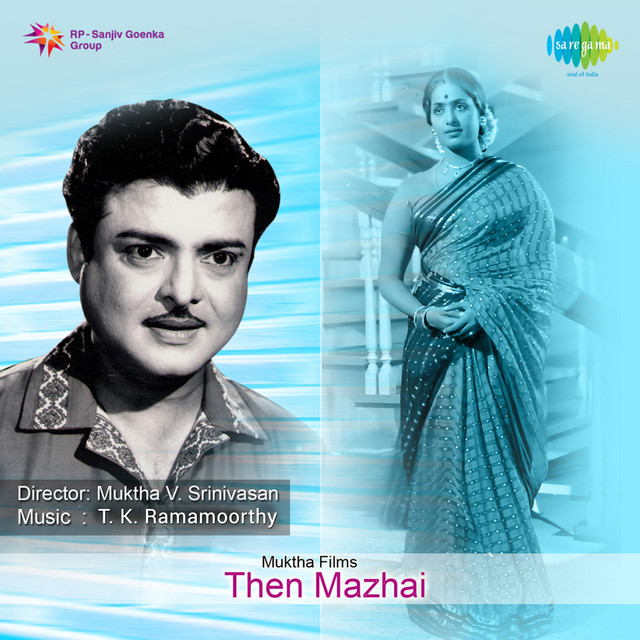
From Then Mazhai · 1966

Lyricist
Vaali
Singer
P. Susheela
Music director
T. K. Ramamoorthy
Details
Then Mazhai1966

Lyrics & meaning

Tanglish lyrics English translation
Female
Ha ha haaa..ha ha haaa…aaa..Ha ha ha... ha ha ha... aaa...
Ho ho ho oooo ho ho ho oooHo ho ho oooo ho ho ho ooo
Female
Nenjae nee poo saedhiyai sollaOh my heart, you go ahead to convey the message,
Nanum varuven meedhiyai sollaI too shall come behind to convey the rest.
Nenjae nee poo saedhiyai sollaOh my heart, you go ahead to convey the message,
Nanum varuven meedhiyai sollaI too shall come behind to convey the rest.
Vaazhvae nee vaa vaasalil mellaOh my life, come gently to the doorway,
Kaalgalum ingae kann vazhi sellaWhile my feet tread along the path set by my eyes.
Nenjae nee poo saedhiyai sollaOh my heart, you go ahead to convey the message,
Nanum varuven meedhiyai sollaI too shall come behind to convey the rest.
Female
Maalai varamal iravu varadhooWill night not arrive if evening does not come?
Malaiyidamal uravu varadhooWill a bond not blossom without exchanging garlands?
Thoodhu vidaamal aasai vidadhooWill desire not relent without sending a messenger?
Thunaivan illaamal thookkam vaaradhooWill sleep not arrive without my companion beside me?
Female
Aayiram kelvi unnidam kettenI have asked a thousand questions to you,
Vidai kidaikaamal urangida maattenAnd I shall not sleep without getting the answers.
Poovizhi sivakka sevvidhazh velukkaAs flower-like eyes turn red and ruby lips grow pale,
Noolidai ilaikka naadagam nadakkaAs the slender thread-like waist sways while the drama unfolds,
Female
Nenjae nee poo saedhiyai sollaOh my heart, you go ahead to convey the message,
Nanum varuven meedhiyai sollaI too shall come behind to convey the rest.
Haa..aaaa…haa..aaa..haa…aa…Haa..aaaa…haa..aaa..haa…aa…
Female
Maaligai veliyil janaki nindraalJanaki stood outside the palace walls,
Maamani mannan ramanai kandaalAnd caught sight of King Rama, the gem of men.
Paarvaigal vazhiyae vaarthaigalaadaAs words conversed silently through their exchanged glances,
Paavalan kamban paatinil paadaAnd the great poet Kamban immortalized it in his verse.
Female
Naanadhu polae kaadhalilae vizhundhenJust like that, I fell deeply in love,
Naayagan peyaraal kaaviyam varaindhenAnd wrote a grand epic in my hero's name.
Naal vazhi ondraai porundhidum thaedhiOn the auspicious date when our paths merge into one,
Naan oru paadhi avanoru paadhiI shall be one half, and he shall be the other half.
Female
Nenjae nee poo saedhiyai sollaOh my heart, you go ahead to convey the message,
Nanum varuven meedhiyai sollaI too shall come behind to convey the rest.

Beyond the translation

Song interpretation

In 'Nenjae Nee Poo' from the 1966 film Then Mazhai, the heroine addresses her heart as a messenger to express her deep love and longing to her beloved. She reflects on the pain of separation, playful romantic dilemmas, and the sweet anxiety that accompanies true love. She poetically compares her romance to the epic love of Rama and Sita as depicted by poet Kamban, envisioning a future where her lover and she merge as two halves of a single soul.

Writing craft

Poetic devices

Personification (Uruvagandhal / Thaniporul Aakkal)

Nenjae nee poo saedhiyai solla

Addressing one's own heart as a person capable of carrying a message ('Nenjae nee poo saedhiyai solla').

Alliteration & Rhyme (Monai and Ethirai)

Maalai varamal iravu varadhoo / Malaiyidamal uravu varadhoo

Matching starting and second sounds across rhyming couplets such as 'Maalai' / 'Malai' and 'Thoodhu' / 'Thunaivan'.

Metaphor (Uvamai / Uruvagaimai)

Poovizhi sivakka sevvidhazh velukka

Comparing eyes to flowers ('Poovizhi') and slender waist to a thin thread ('Noolidai').

Allusion (Ilakkiya Kurippu)

Maaligai veliyil janaki nindraal / Maamani mannan ramanai kandaal

Alluding to the classical Ramayana narrative where Sita (Janaki) first sees Rama, as celebrated in Kamban's Kamba Ramayanam.

Did you know?

Trivia

Then Mazhai (1966) features music composed by T. K. Ramamoorthy after his split from Viswanathan-Ramamoorthy. Penned by lyricist Vaali and sung soulfully by P. Susheela, this song remains a classic example of classic 1960s Tamil film melodies rich in literary literary imagery.

Keep listening

More from Then Mazhai