Skip to content
Isaimozhi
Lyrics & meaning

Naattiya Kalai

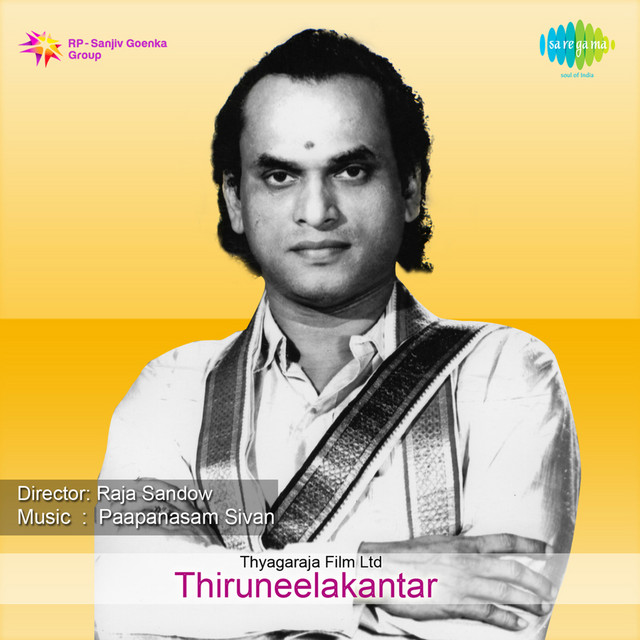
From Thiru Neelakandar · 1972

Lyricist
Kannadasan
Singer
T. R. Mahalingam
Music director
C. N. Pandurangan
Details
Thiru Neelakandar1972

Lyrics & meaning

Tanglish lyrics English translation
Male
Naattiya kalai engal naayaganIs not dance the art that our Lord brought together in those ancient days?
Annaalil koottiya kalai allavaaIs not dance the art that our Lord brought together in those ancient days?
Naattiya kalai engal naayaganIs not dance the art that our Lord brought together in those ancient days?
Annaalil koottiya kalai allavaaIs not dance the art that our Lord brought together in those ancient days?
Male
Paattiyal porul vedham adhamaana paavangalExpressions that became the ultimate essence of poetic lyrics and Vedas,
Aaa…aa…aah….aaa…aa….(Vocalizing / Melodic alaap)
Paattiyal porul vedham adhamaana paavangalExpressions that became the ultimate essence of poetic lyrics and Vedas,
Kaattiya kalaivaananaeOh artist-god who demonstrated it!
Engal kaaviya nadarajanaeOh epic Nataraja of ours!
Male
Naattiya kalai engal naayaganIs not dance the art that our Lord brought together in those ancient days?
Annaalil koottiya kalai allavaaIs not dance the art that our Lord brought together in those ancient days?
Male
Agamenum ilvaazhvu maanaanathuThe inner domestic life became the deer in His hand,
Puramenum peruvaazhvu mazhuvaanathuThe outer worldly life became the battle-axe in His hand,
Agamenum ilvaazhvu maanaanathuThe inner domestic life became the deer in His hand,
Puramenum peruvaazhvu mazhuvaanathuThe outer worldly life became the battle-axe in His hand,
Male
Arakkanai miththithaadumDancing by trampling the demon of ignorance,
Irakkaththai mathiththaadumDancing while honoring divine compassion,
Aaa….aaa…..aa….aa…aa…aah…(Vocalizing / Melodic alaap)
Arakkanai miththithaadumDancing by trampling the demon of ignorance,
Irakkaththai mathiththaadumDancing while honoring divine compassion,
Ambalam ponaanathuThe holy hall became golden,
Aadum ambalam ponnaanathu….The hall where He dances turned into gold!
Male
Naattiya kalai engal naayaganIs not dance the art that our Lord brought together in those ancient days?
Annaalil koottiya kalai allavaaIs not dance the art that our Lord brought together in those ancient days?
Male
Vanthom vanthom endru palar kooduvaarMany gather saying, 'We have come, we have come!'
Arul thanthom thanthom endru avan aaduvaanHe dances saying, 'I have granted grace, granted grace!'
Vanthom vanthom endru palar kooduvaarMany gather saying, 'We have come, we have come!'
Arul thanthom thanthom endru avan aaduvaanHe dances saying, 'I have granted grace, granted grace!'
Male
Unarnthom unnai endru avar paaduvaarThey sing saying, 'We have realized you!'
Aaa…aa…aaa…aa…(Vocalizing / Melodic alaap)
Unarnthom unnai endru avar paaduvaarThey sing saying, 'We have realized you!'
Intha ulagangal uravaadi nadanamidumWhere all these worlds bond together and perform their dance,
Male
Naattiya kalai engal naayaganIs not dance the art that our Lord brought together in those ancient days?
Annaalil koottiya kalai allavaaIs not dance the art that our Lord brought together in those ancient days?

Beyond the translation

Song interpretation

This song is a grand classical tribute to Lord Nataraja, the cosmic dancer and master of divine arts. Kannadasan's lyrics celebrate dance ('Naattiya kalai') as a sacred art created and harmonized by Lord Shiva since antiquity, embodying the deepest meanings of the Vedas and classical Tamil literature.

Writing craft

Poetic devices

Edukai (Second Letter Rhyming)

Arakkanai miththithaadum / Irakkaththai mathiththaadum

The second consonant 'rak' in 'Arakkanai' rhymes with 'Irakkaththai', creating rhythmic harmony across lines.

Allegory / Sangam Motif (Agam & Puram)

Agamenum ilvaazhvu maanaanathu / Puramenum peruvaazhvu mazhuvaanathu

Kannadasan skillfully weaves classical Tamil literary concepts of Agam (inner personal life) symbolized by the deer (maan) and Puram (outer public life) symbolized by the battle-axe (mazhu) held in Nataraja's hands.

Iyaibu (End Rhyming)

Arul thanthom thanthom endru avan aaduvaan / Unarnthom unnai endru avar paaduvaar

The matching verbal suffixes 'aaduvaan' and 'paaduvaan' establish poetic continuity and musical cadence.

Did you know?

Trivia

The film 'Thiru Neelakandar' (1972) depicts the life of Thiruneelakanta Nayanar, one of the 63 Nayanmars. Singer T. R. Mahalingam, who played the titular saint, was famous for his high-pitched, powerful classical singing style that dominated Tamil cinema's early golden era.

Keep listening

More from Thiru Neelakandar