Skip to content
Isaimozhi
Lyrics & meaning

Malar Thaara

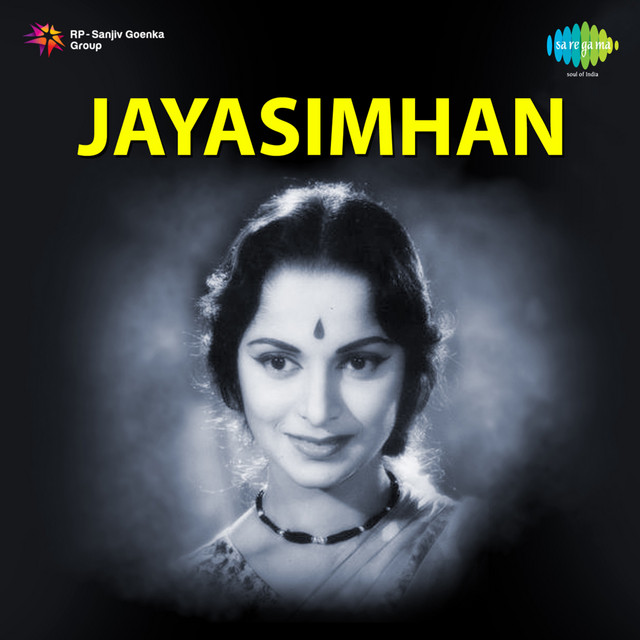
From Jayasimma · 1955

Lyricist
Thanjai N. Ramaiah Dass
Singers
R. Balasaraswathy, A. P. Komala
Music director
T. V. Raju
Details
Jayasimma1955

Lyrics & meaning

Tanglish lyrics English translation
Female
Hoo o o o hoo oHoo o o o hoo o
Malar thara innum mogamoIs there still a desire to offer flowers?
Vinnil vilaiyadavooIs this love destined to play in the sky?
Indha premaiThis love...
Malar thara innum mogamoIs there still a desire to offer flowers?
Vinnil vilaiyadavooIs this love destined to play in the sky?
Indha premaiThis love...
Malar thara innum mogamoIs there still a desire to offer flowers?
Female
Malaraaginen thaen vandaaginaarI turned into a blossom, and he became the honeybee.
Madhan yaevum malar banamumThe floral arrow released by Lord Cupid (Madhan)...
Malaraaginen thaen vandaaginaarI turned into a blossom, and he became the honeybee.
Madhan yaevum malar banamum o oThe floral arrow released by Lord Cupid (Madhan)...
Enai theduthaeIs searching for me.
Kannil kanindhadudhaeIt dances tenderly in my eyes,
Valar kaadhal tharum anbilae hoo o oIn the warmth brought by growing love.
Female
Adho vinn maevum ezhil jothiLook at that beautiful light shining in the sky!
Kanindhu ivvelaiMelting softly at this tender hour,
Kalaiyodu unai polaeWith artistic beauty, just like you.
Adho vinn maevum ezhil jothiLook at that beautiful light shining in the sky!
Female
Thaen konjuthae vanduthaan kenjuthaeThe honey lisps affectionately, while the bee pleads endlessly.
Ullang kanindhae indrae theduthaeWith a heart full of warmth, searching for love today.
Thaen konjuthae vanduthaan kenjuthaeThe honey lisps affectionately, while the bee pleads endlessly.
Ullang kanindhae indrae theduthaeWith a heart full of warmth, searching for love today.
Female
Anbae innaalOh my beloved, today,
Malar ambaal innaalHit by flower-tipped arrows today,
Madhan edhanaalo kaanamalLord Cupid, unseen for some reason,
Uyir vanguraanIs gently stealing my soul away.
Female
Hoo o o o oHoo o o o o
Malar thara innum mogamoIs there still a desire to offer flowers?
Vinnil vilaiyadavooIs this love destined to play in the sky?
Indha premaiThis love...
Malar thara innum mogamoIs there still a desire to offer flowers?

Beyond the translation

Song interpretation

This classic vintage song from Jayasimma (1955) captures the intoxicating beauty of burgeoning love and romantic longing. Rich with classical Tamil imagery, the lyrics compare the lovers to flowers and honeybees, evoking the ethereal sensation of passion so grand it feels like playing among the stars in the celestial sky. The lyricist uses classical tropes of Manmatha (Madhan, the god of love) firing flower-tipped arrows that torment the heart with sweet desire. The melody and poetry together convey a magical, heavenly atmosphere where nature, art, and love intertwine seamlessly.

Writing craft

Poetic devices

Metaphor (Rupakam)

Malaraaginen thaen vandaaginaar

The speaker directly equates herself to a flower and her lover to a honeybee seeking nectar ('Malaraaginen thaen vandaaginaar').

Mythological Allusion & Personification

Madhan yaevum malar banamum

References Madhan (Cupid/Kama) shooting flower-tipped arrows (malar banam) and soulfully teasing the lovers ('uyir vanguraan').

Iyaibu (End Rhyme)

Thaen konjuthae vanduthaan kenjuthae

Use of matching verbal suffixes '-uthae' at the ends of consecutive poetic lines to create a rhythmic musical flow.

Edhukai (Second Letter Assonance)

Thaen konjuthae vanduthaan kenjuthae

Rhyming of the second consonant sounds across lines ('konjuthae' / 'kenjuthae').

Did you know?

Trivia

Jayasimma (1955) starred N. T. Rama Rao and Waheeda Rehman in one of her earliest screen appearances before achieving stardom in Hindi cinema. The film's musical score by T. V. Raju was highly popular, blending classical carnatic elements with delicate vocal harmonies characteristic of 1950s cinema.

Keep listening

More from Jayasimma