- Lyricist
- Vairamuthu
- Singer
- Sujatha
- Music director
- S. A. Rajkumar
- Movie name
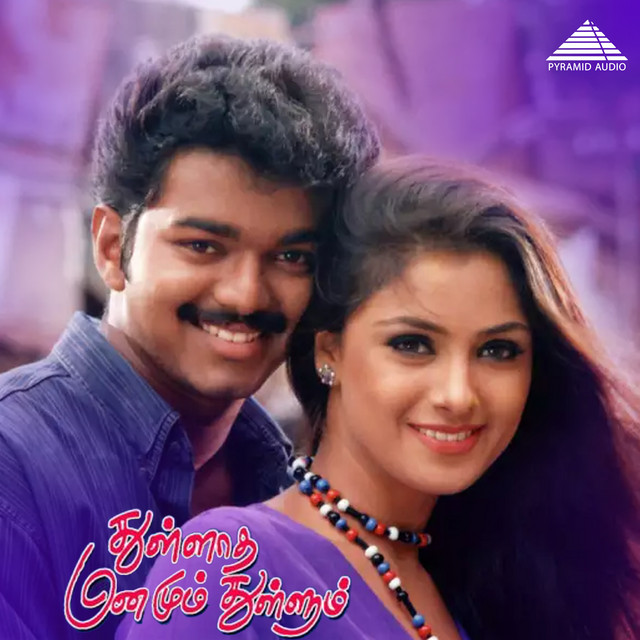
- Thullatha Manamum Thullum
- Movie release year
- 1999
- Lyrics added on
- 20 Jun 2018
Lyrics & meaning
Beyond the translation
Overall song meaning
This poem expresses intense devotional love and omnipresent perception of Krishna (Nandhalala). The poet perceives Krishna's divine presence in every aspect of nature and sensory perception—his dark hue in a crow's feathers, his vibrant green in the trees, his celestial music in every sound, and the ultimate bliss of touching him even in the heat of a flame.
Writing craft
Poetic devices
Refrain / Anaphora
“Nandhalala – nindhan / Thondrudhada nandhalala”
The rhythmic repetition of 'Nandhalala' at the end of lines serves as an ecstatic devotional refrain anchoring the entire poem.
Sensory Imagery
“Paarkum marangal ellaam ... Pachai niram”
Combines visual (black feathers, green foliage), auditory (music in sound), and tactile (fire touching) imagery to illustrate divine omnipresence.
Paradox / Mystical Metaphor
“Theekkul viralai vaithaal ... Theendum inbam”
Placing a finger in fire normally causes severe pain, but in state of devotional ecstasy, it translates to the ultimate joy of touching the Divine.
Did you know?
Trivia
Though adapted into modern media including the film 'Thullatha Manamum Thullum' (1999) with music by S. A. Rajkumar, these lyrics are originally from a famous devotional poem composed by the legendary Tamil poet Mahakavi Subramania Bharati.
Keep listening
Songs with a similar feeling
From the same album
More songs from Thullatha Manamum Thullum
View albumSpot an issue?
Help us improve the lyrics or English translation.