Skip to content
Isaimozhi
Lyrics & meaning

Jathi Ennada Jathi

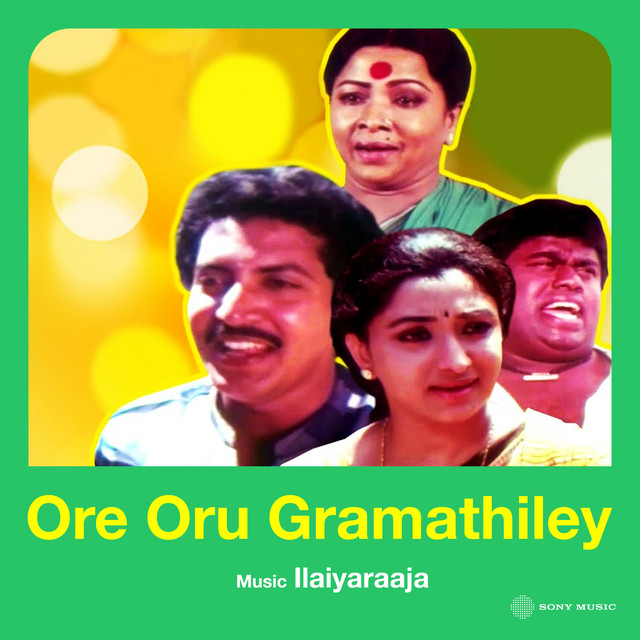
From Ore Oru Gramathiley · 1989

Lyricist
Vaali
Singers
Malaysia Vasudevan, Chorus
Music director
Ilayaraja
Details
Ore Oru Gramathiley1989

Lyrics & meaning

Tanglish lyrics English translation
Male
Jaadhi ennada jaadhi adhuWhat is this thing called caste?
Janangala pudicha vyaadhiIt is a disease that has gripped the people.
Jaadhi ennada jaadhi adhuWhat is this thing called caste?
Janangala pudicha vyaadhiIt is a disease that has gripped the people.
Porandhaa adhan per kozhandhaWhen born, its name is a child.
Ponaa adhan per ponam thaanWhen dead, its name is a corpse.
Male Chorus :Porandhaa adhan per kozhandhaMale Chorus: When born, its name is a child.
Female Chorus :Ponaa adhan per ponam thaanFemale Chorus: When dead, its name is a corpse.
Male
Varnamum kirnamum idaiyiilae vandhadhuCaste and varna distinctions came in between.
Idainjala thanthadhu edhukadhu odhukkuIt brought obstacles, so why keep it?
Chorus :Jaadhi ennada jaadhiChorus: What is this thing called caste?
Male
Janathogaiyai kaattilumMore than the total population,
Jadhi thaan irukkudhuThere are castes existing here.
Jaadhikkoru sangam vachuEstablishing associations for each caste,
Sanda nadakkudhuFights and conflicts take place.
Moonu niram kodiyila thaanOn our flag, there are three colors,
Irundhaa irukattumLet them remain as they are.
Naalu neram namakkedhukkuWhy do we need four social classes (varnas)?
Onnaa serattumLet everyone unite as one.
Male
Imayamum kumariyum inaidhida irupadhuJoining the Himalayas in the north and Kanyakumari in the south, there stands...
Chorus :Indhiya indhaiyaChorus: India, India!
Male :Idhil ulla manidharil vaguppugal piripadhuMale: Dividing the humans living here into classes...
Chorus :Needhiyaa needhiyaaChorus: Is it justice? Is it justice?
Male
Vaazhndhaalum ingae ondraaga vaazhvomEven if we live, let us live here together as one.
Veezhndhaalum ingae ondraaga veezhvomEven if we fall, let us fall here together as one.
Oru marathu paravaigalaaiLike birds belonging to a single tree.
Irukkindra manidharai inangkandu pirikkiraIdentifying and dividing human beings who live together...
Chorus :Jaadhi ennada jaadhiChorus: What is this thing called caste?
Chorus
Aaa….aaa….aa.a…aaa…aa….Aaa....aaa....aa.a...aaa...aa....
Chorus
Aaa….aaa….aa.a…aaa…aa….Aaa....aaa....aa.a...aaa...aa....
Chorus
Aaa….aaa….aa.a…aaa…aa….Aaa....aaa....aa.a...aaa...aa....
Male
Aduthavarin kudi keduppaanOne who ruins the life of others,
Avan thaan thaazhnthavanHe alone is the lowborn person.
Azhudhavarin kan thudaipaanOne who wipes the tears of those who weep,
Avan thaan uyarthavanHe alone is the noble person.
Male
Idhai thavira manidharilae baedham illaiyaeApart from this, there is no distinction among human beings.
Indhiyaraai porandhavanga oruthaai pillaiyaeThose born as Indians are children of a single mother.
Purappadu purappadu por thodu por thoduMarch forward, march forward, wage war, wage war!
Chorus :Pirivugal saaganumChorus: Divisions must die!
Male :Ezhudhanum ezhudhanum iniyoru vidhi seidhuMale: We must write, we must write a new law by enacting...
Chorus :Arasiyal saasanamChorus: A constitutional amendment!
Male
Sama needhi kaanum samudhaayam venumWe need a society that ensures equal justice.
Adhanaal thaan ingae pudhu vaazhvu thonumOnly through that will a new life bloom here.
Adhuvaraiyil urakkam illaiUntil then, there is no sleep.
Unarchigal kothikuthu narambugal thudikuthuEmotions are boiling, and nerves are throbbing!
Chorus :Jaadhi ennada jaadhi adhuChorus: What is this thing called caste?
Male
Jaadhi ennada jaadhi adhuWhat is this thing called caste?
Janangala pudicha vyaadhiIt is a disease that has gripped the people.
Jaadhi ennada jaadhi adhuWhat is this thing called caste?
Janangala pudicha vyaadhiIt is a disease that has gripped the people.
Porandhaa adhan per kozhandhaWhen born, its name is a child.
Ponaa adhan per ponam thaanWhen dead, its name is a corpse.
Female Chorus :Porandhaa adhan per kozhandhaFemale Chorus: When born, its name is a child.
Male Chorus :Ponaa adhan per ponam thaanMale Chorus: When dead, its name is a corpse.
Male
Varnamum kirnamum idaiyiilae vandhadhuCaste and varna distinctions came in between.
Idainjala thanthadhu edhukadhu odhukkuIt brought obstacles, so why keep it?
Chorus :Jaadhi ennada jaadhi …(2)Chorus: What is this thing called caste? ...(2)

Beyond the translation

Song interpretation

Jaadhi Ennada Jaadhi from the film Ore Oru Gramathiley (1989), penned by Vaali, is a powerful anthem condemning caste discrimination and social division in India. The song highlights the ultimate equality of human life, pointing out that every person enters the world simply as a child and leaves as a corpse, regardless of the artificial caste labels imposed by society. It criticizes how social classes create conflict and fragment society beyond even the count of its population. The lyrics redefine nobility not by birth, but by empathy and character—asserting that one who harms others is truly 'low' and one who wipes tears is 'high'. Calling for revolutionary unity, equal justice, and constitutional reforms, the song urges all Indians to live and fall as one nation.

Writing craft

Poetic devices

Metaphor (Uruvagam)

Janangala pudicha vyaadhi

Caste is directly compared to a contagious disease gripping the minds of people.

Antithesis / Contrast

Porandhaa adhan per kozhandha / Ponaa adhan per ponam thaan

Contrasts birth (child) and death (corpse) to show that human nature is uniform at start and end.

Simile (Uwamai)

Oru marathu paravaigalaai

Compares diverse human beings living in a single nation to birds perching on the same tree.

Alliteration (Monai)

Purappadu purappadu por thodu por thodu

Repetition of the initial 'P' sound creates a strong, driving rhythmic rhythm suitable for a call to action.

Did you know?

Trivia

Ore Oru Gramathiley (1989) dealt critically with caste reservations in Tamil Nadu. The music for the film was composed by Maestro Ilaiyaraaja, with vocals by K.J. Yesudas. The film faced severe political controversy and a ban by the Tamil Nadu government upon release. The case eventually reached the Supreme Court of India (S. Rangarajan v. P. Jagjivan Ram, 1989), resulting in a landmark judgment that upheld freedom of expression in cinema, stating that state censorship cannot be used to suppress controversial political opinions.

Keep listening

More from Ore Oru Gramathiley