Skip to content
Isaimozhi
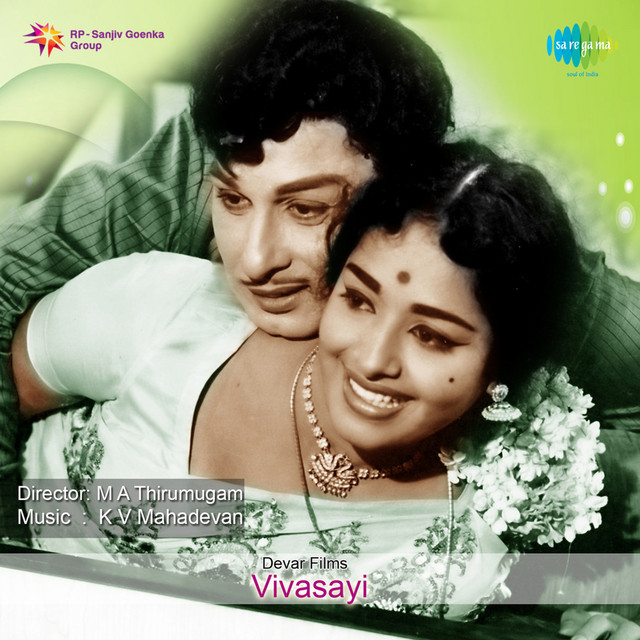
Vivasayee album cover
Lyrics & meaning

Evaridathum Thavarillai

From Vivasayee · 1967

Lyricist
Udumalai Narayanakavi
Singer
P. Susheela
Music director
K. V. Mahadevan
Movie name
Vivasayee
Movie release year
1967
Lyrics added on
21 Apr 2025

Lyrics & meaning

♫ Tanglish lyrics
↻ English translation
Evaridathum thavarum illai
Enakku thaan thollai
Evaridathum thavarum illai
Enakku thaan thollai
Innadhu dhaan seivadhendrum
Puriyavillai
Ammaa ammaa
Evaridathum thavarum illai
Enakku thaan thollai
Karam piditha kanavar sollai
Kadandhiduvaeno
Ratha kalappil vandha kula kodiyai
Kai viduvaeno
Karam piditha kanavar sollai
Kadandhiduvaeno
Ratha kalappil vandha kula kodiyai
Kai viduvaeno
Iruvarukkum kurai varaamal
Udhavi seivaeno
Iruvarukkum kurai varaamal
Udhavi seivaeno
Adhil kuraivu vandhaal uyirudanae
Ulagil uivaeno
Ammaa ammaa….aaa…
Evaridathum thavarum illai
Enakku thaan thollai
Kaadhal thannai marakka chonnaal
Saadhal aagumae
Avar ganniyathai izhakka chonnaal
Modhal aagumae
Kaadhal thannai marakka chonnaal
Saadhal aagumae
Avar ganniyathai izhakka chonnaal
Modhal aagumae
Kaadhal indri modhal indri
Sangadam theeraadho
Kaadhal indri modhal indri
Sangadam theeraadho
Perum sandhosham thaan engal vaazhvil
Vandhu saeraadho
Ammaa ammaa….aaa…
Evaridathum thavarum illai
Enakku thaan thollai
Innadhu dhaan seivadhendrum
Puriyavillai
Ammaa amammaa
Evaridathum thavarum illai
Enakku thaan thollai
No one is at fault,
yet all the trouble is mine.
No one is at fault,
yet all the trouble is mine.
What I should do,
I do not understand...
Mother... oh Mother...
No one is at fault,
yet all the trouble is mine.
The word of the husband who took my hand,
could I ever disobey?
The tender branch born of my own bloodline,
could I ever abandon?
The word of the husband who took my hand,
could I ever disobey?
The tender branch born of my own bloodline,
could I ever abandon?
Without letting either of them suffer,
can I find a way to help?
Without letting either of them suffer,
can I find a way to help?
If I fail in this, with life still in me,
could I go on living in this world?...
Mother... oh Mother... ah...
No one is at fault,
yet all the trouble is mine.
If I am asked to forget my love,
it would mean my death.
If he is asked to lose his dignity,
it will only cause conflict.
If I am asked to forget my love,
it would mean my death.
If he is asked to lose his dignity,
it will only cause conflict.
Without death, without conflict,
will this distress not come to an end?
Without death, without conflict,
will this distress not come to an end?
Will great happiness
not come into our lives?
Mother... oh Mother...
No one is at fault,
yet all the trouble is mine.
What I should do,
I do not understand...
Mother... oh Mother...
No one is at fault,
yet all the trouble is mine.
Female
Female
Female
Female
Female

Beyond the translation

Overall song meaning

This song expresses a woman's intense inner torment as she finds herself trapped in a painful conflict of duties—torn between her loyalty to her husband and her love for her blood relatives. Realizing that neither party is truly at fault, she laments her helpless state and cries out to the divine mother figure for guidance. She struggles with the terrifying thought of having to disobey her husband or abandon her family, believing that failing to balance both relationships would render her life meaningless. Through poignant lyrical questioning, she seeks a path where love and dignity can coexist without violence or heartbreaks. The song beautifully portrays the emotional conflict and moral dilemma typical of classical Indian family sagas, capturing a desperate hope for harmony and happiness to eventually restore order in her family's life.

Writing craft

Poetic devices

Ethugai (Second-letter Rhyme)

Kaadhal thannai marakka chonnaal / Saadhal aagumae

The second consonant 'dha' (த) rhymes between 'Kaadhal' and 'Saadhal'.

Iyaipu (End Rhyme)

Kadandhiduvaeno / Kai viduvaeno

Both lines end with the identical rhythmic ending sound '-vaeno'.

Iyaipu (End Rhyme)

Saadhal aagumae / Modhal aagumae

The lines rhyme at the end with the word 'aagumae'.

Monai (First-letter Alliteration)

Karam piditha kanavar sollai / Kadandhiduvaeno

The initial sound 'Ka' (க) repeats across key words 'Karam', 'kanavar', and 'Kadandhiduvaeno'.

Metaphor (Uruvagaimai)

Ratha kalappil vandha kula kodiyai

The blood relation is poetically described as a 'kula kodi' (family vine/branch).

Did you know?

Trivia

'Evaridathum thavarum illai' is a moving melancholic track from the 1967 Tamil film 'Vivasayee', directed by M. A. Thirumugam and starring M. G. Ramachandran (MGR) alongside K. R. Vijaya. The legendary Udumalai Narayanakavi authored the lyrics, expertly capturing nuanced Tamil familial dynamics. Rendered with deep emotional resonance by Nightingale of South India P. Susheela under the music direction of K. V. Mahadevan, the song remains one of the most memorable emotional solos in 1960s Tamil cinema.

Keep listening

Songs with a similar feeling

From the same album

More songs from Vivasayee

View album

Spot an issue?

Help us improve the lyrics or English translation.