Skip to content
Isaimozhi
Lyrics & meaning

Engiruntho Vanthan

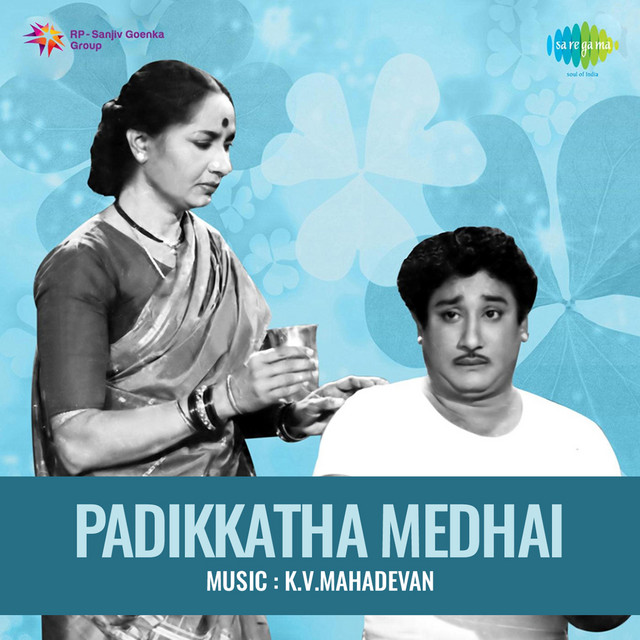
From Padikkadha Medhai · 1960

Lyricist
Mahakavi Subramanya Bharathiyaar
Singer
Seerkazhi Govindarajan
Music director
K. V. Mahadevan
Details
Padikkadha Medhai1960

Lyrics & meaning

Tanglish lyrics English translation
Male
Engirundho… vandhaan…He came from somewhere unknown...
Male
Engirundho… vandhaan…He came from somewhere unknown...
Idai jaadhi naan endraanHe claimed to belong to the shepherd caste.
Male
Engirundho… vandhaan…He came from somewhere unknown...
Idai jaadhi naan endraanHe claimed to belong to the shepherd caste.
Ingivanai yaan peravaeTo obtain him here as my servant,
Enna thavam seidhu vittenWhat penance must I have done?
Ingivanai yaan peravaeTo obtain him here as my servant,
Enna thavam seidhu vitten kannanWhat penance must I have done, Lord Krishna?
Male
Engirundho… vandhaan…He came from somewhere unknown...
Male
Sonna padi ketpaanHe listens and obeys whatever is asked,
Thuni manigal kaathiduvaanHe guards clothes and precious valuables,
Chinna kuzhandhaikkuFor young children,
Singaara paattsaippaanHe composes and sings beautiful songs.
Male
Kannai imai irandumJust like both eyelids
Kaappadhu polprotect the eyes,
En kudumbam vannamura kaakkindraanHe protects my family, allowing it to flourish in beauty.
Vaai munuthal kandariyen kannanI have never heard him murmur or complain, this Kannan!
Male
Engirundho… vandhaan…He came from somewhere unknown...
Idai jaadhi naan endraanHe claimed to belong to the shepherd caste.
Ingivanai yaan peravaeTo obtain him here as my servant,
Enna thavam seidhu vitten kannanWhat penance must I have done, Lord Krishna?
Male
Engirundho… vandhaan…He came from somewhere unknown...
Male
Pattru migundhu vara paarkkindrenAs my devotion and affection towards him grow,
Kannanaal pettru varum nanmaiyellaamAll the good fortune brought by Lord Krishna
Pesi mudiyaadhuCannot be fully described in words.
Male
Nanbanaai mandhiriyaaiAs a friend, as a wise counselor,
NallaasiriyanumaaiAnd as a good teacher,
Male
Panbilae dheivamaai…He is divine in his noble character...
Male
Paarvaiyilae saevaganaai ranganYet in outward appearance, he remains a humble servant, this Rangan!
Male
Engirundho… vandhaan.. rangan ranganHe came from somewhere unknown, Rangan, Rangan!
Ingivanai yaan peravaeTo obtain him here as my servant,
Enna thavam seidhu vitten ranganWhat penance must I have done, Rangan?
Male
Engirundho… engirundho. ranganFrom somewhere unknown... from somewhere unknown, Rangan!
Engirundho… vandhaan.. rangan ranganHe came from somewhere unknown, Rangan, Rangan!
Rangaa rangaa rangaa rangaa…Ranga, Ranga, Ranga, Ranga…

Beyond the translation

Song interpretation

This iconic song, adapted from Mahakavi Subramanya Bharathiyar's 'Kannan Pattu' (specifically 'Kannan En Sevagan'), depicts the supreme Lord Krishna arriving in the guise of a humble servant named Rangan. The protagonist marvels at his good fortune, wondering what great penances he must have performed in past lives to earn the service of God Himself, who has unexpectedly entered his home as a worker from the shepherd caste. The song highlights Krishna's devotion to his duties: protecting the family's wealth, entertaining children, and safeguarding the household as tenderly as eyelids protect the eyes. Ultimately, the song celebrates God's multifaceted relationship with humanity—serving not just as a worker, but as a loyal friend, wise minister, inspiring teacher, and supreme deity wrapped in the humble attire of a servant.

Writing craft

Poetic devices

Simile (Upamai)

Kannai imai irandum / Kaappadhu pol / En kudumbam vannamura kaakkindraan

Compares Krishna's protective care over the narrator's family to the way eyelids naturally protect the eyes.

Contrast (Muran)

Panbilae dheivamaai… / Paarvaiyilae saevaganaai rangan

Contrasts Krishna's inner divine nature ('dheivamaai') with his outward appearance as a humble servant ('saevaganaai').

Alliteration (Monai)

Nanbanaai mandhiriyaai / Nallaasiriyanumaai

Repetition of initial consonant sounds ('N') across lines describing the various roles Krishna plays.

Did you know?

Trivia

This song is based on Mahakavi Subramanya Bharathiyar's famous work 'Kannan En Sevagan' from the 'Kannan Pattu' collection. In the film 'Padikkadha Medhai' (1960), starring Sivaji Ganesan, the music was composed by K. V. Mahadevan and sung by T. M. Soundararajan, beautifully integrating Bharathiyar's classical literary masterpiece into popular Tamil cinematic music.

Keep listening

More from Padikkadha Medhai