Skip to content
Isaimozhi
Lyrics & meaning

Ore Oru Oorile

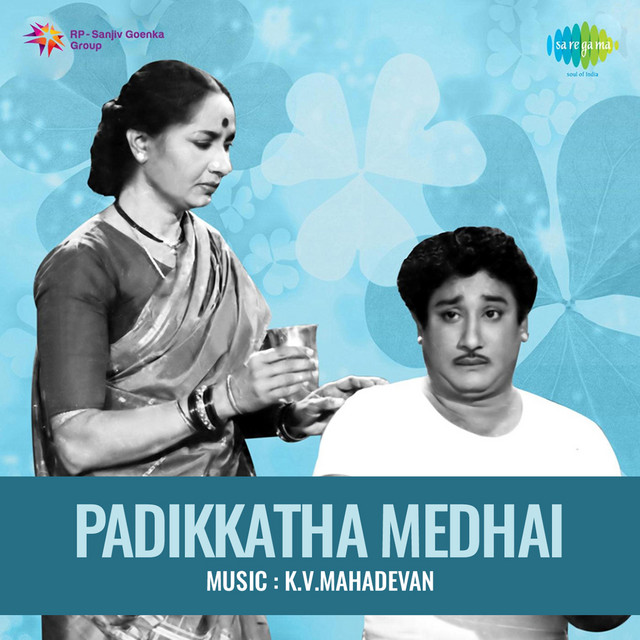
From Padikkadha Medhai · 1960

Lyricist
Kannadasan
Singers
T. Soundararajan, Soolamangalam Rajalakshmi
Music director
K. V. Mahadevan
Details
Padikkadha Medhai1960

Lyrics & meaning

Tanglish lyrics English translation
Female
Orae oru oorilae orae oru raajaaIn a certain town, there was a king.
Male :Hmm mmmMale: Hmm mmm
Female :Orae oru oorilae orae oru raajaaFemale: In a certain town, there was a king.
Orae oru raajaavukku orae oru raaniFor that one king, there was one queen.
Orae oru oorilae orae oru raajaaIn a certain town, there was a king.
Male
Orae oru raani petraal onbadhu pillaiThat one queen gave birth to nine children.
Andha onbadhilae ondru kooda uruppadiyillaiAmong those nine, not even one was good for anything.
UruppadiyillaiGood for nothing.
Female
Orae oru oorilae orae oru raajaaIn a certain town, there was a king.
Male
Padichirundhum thandhai thaayaiDespite being educated, one forgot to respect
Madhikka marandhaanhis father and mother.
Oruvan padukkaiyilae mullai vaithuOne placed thorns on their bed
Paarthu maghizhndhaanand rejoiced watching them suffer.
Male
Padichirundhum thandhai thaayaiDespite being educated, one forgot to respect
Madhikka marandhaanhis father and mother.
Oruvan padukkaiyilae mullai vaithuOne placed thorns on their bed
Paarthu maghizhndhaanand rejoiced watching them suffer.
Pidicha muyal athanaikkumWhatever rabbit he caught, he insisted it had only three legs.
Moondru kaalendraanWhatever rabbit he caught, he insisted it had only three legs.
Pidicha muyal athanaikkumWhatever rabbit he caught, he insisted it had only three legs.
Moondru kaalendraanWhatever rabbit he caught, he insisted it had only three legs.
Oruvan pondaattiyin kaalgalukkuOne stood guard humbly at the feet of his wife,
Kaaval irundhaan kaaval irundhaanstood guard, stood guard.
Female
Orae oru oorilae orae oru raajaaIn a certain town, there was a king.
Male
Pillai petra raajaa oru naayai valarthaarThe king who fathered children raised a dog.
Adhai pillaikku mel kangalai polMore than his own children, like his own eyes,
Kaathu valarthaarhe protected and raised it.
Pillai petra raajaa oru naayai valarthaarThe king who fathered children raised a dog.
Adhai pillaikku mel kangalai polMore than his own children, like his own eyes,
Kaathu valarthaarhe protected and raised it.
Female
Unmai anbu saevai endraTruth, love, and selfless service —
Moondrum koduthaarhe gave it all three.
Unmai anbu saevai endraTruth, love, and selfless service —
Moondrum koduthaarhe gave it all three.
Adhan ullathilae veedu kattiHe built a home inside its heart,
Thaanum irundhaarand resided there himself.
Adhan ullathilae veedu kattiHe built a home inside its heart,
Thaanum irundhaarand resided there himself,
Thaanum irundhaarresided there himself.
Female
Orae oru oorilae orae oru raajaaIn a certain town, there was a king.
Male
Sondhamendru vandhadhellaamAll those who came claiming to be relatives
Sondhamum illaiwere never true relatives.
Oru thunai illaamal vandhadhellaamAll that came without any support
Baaramum illaiwas never a burden.
Sondhamendru vandhadhellaamAll those who came claiming to be relatives
Sondhamum illaiwere never true relatives.
Oru thunai illaamal vandhadhellaamAll that came without any support
Baaramum illaiwas never a burden.
Male
Nandri ulla uyirgalellaamAll grateful living beings
Pillai thaanadaaare like true children, my brother!
Nandri ulla uyirgalellaamAll grateful living beings
Pillai thaanadaaare like true children, my brother!
Thambi nandri ketta maganai vidaYounger brother, compared to an ungrateful son,
Naaigal meldaadogs are far better!
Nandri ketta maganai vidaCompared to an ungrateful son,
Naaigal meldaadogs are far better!
Naaigal meldaaDogs are far better!

Beyond the translation

Song interpretation

'Orae Oru Oorilae' from the movie 'Padikkadha Medhai' (1960) uses the structure of a simple bedtime story or nursery fable to convey a deep moral truth about human relationships and ingratitude. The lyrics tell the story of a king (representing a devoted parent) and queen who raise nine children. Despite receiving education and care, every single child turns out to be disrespectful, cruel, obstinate, or subservient to their spouses while neglecting their own parents. Finding no genuine love or respect from his biological offspring, the king raises a loyal dog with love and devotion. The dog repays him with true affection, loyalty, and gratitude. Lyricist Kannadasan uses this story to deliver a sharp commentary on societal hypocrisy, highlighting that true kinship is defined by loyalty and gratitude rather than blood ties—concluding that a grateful animal is far superior to an ungrateful child.

Writing craft

Poetic devices

Allegory / Moral Fable

Orae oru oorilae orae oru raajaa... Orae oru raani petraal onbadhu pillai

The entire song uses a simple fairy-tale framing ('Once upon a time there was a king...') as an allegory to critique filial ingratitude and human character flaws.

Tamil Idiom (Pazhamozhi / Marabuthodar)

Pidicha muyal athanaikkum moondru kaalendraan

Uses the famous Tamil proverb about insisting a caught rabbit has three legs, symbolizing extreme stubbornness, foolish obstinacy, and refusing to accept truth.

Simile (Upamai)

Adhai pillaikku mel kangalai pol kaathu valarthaar

Compares the intense care given to raising the dog to protecting one's own eyes ('kangalai pol').

Muran (Contrast / Irony)

Thambi nandri ketta maganai vida naaigal meldaa

Contrasts an ungrateful human son with a loyal dog, pointing out the irony that an animal possesses higher moral virtue than human offspring.

Did you know?

Trivia

'Padikkadha Medhai' (1960), directed by A. Bhimsingh and starring Sivaji Ganesan, is famous for its emotional family drama centered around loyalty, poverty, and human character. The song is composed by K. V. Mahadevan and sung by T. M. Soundararajan along with P. Susheela. Kannadasan's lyrics in this song showcase his unique mastery in distilling complex philosophy into deceptively simple, childlike storytelling language.

Keep listening

More from Padikkadha Medhai