Skip to content
Isaimozhi
Lyrics & meaning

Chinna Pappa Enga Chella

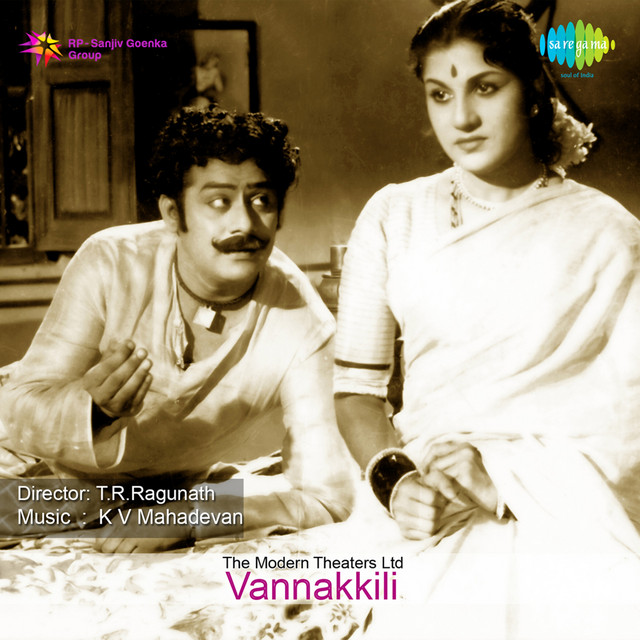
From Vannakili · 1959

Lyricist
A. Maruthakasi
Singer
P. Susheela
Music director
K. V. Mahadevan
Details
Vannakili1959

Lyrics & meaning

Tanglish lyrics English translation
Female
Chinna paapa enga chella paapaLittle baby, our darling baby
Sonna pecha ketaadhaan nalla paapaOnly if you listen to advice, you are a good baby
Chinna paapa enga chella paapaLittle baby, our darling baby
Sonna pecha ketaadhaan nalla paapaOnly if you listen to advice, you are a good baby
Chinna paapa enga chella paapaLittle baby, our darling baby
Female
Thinna unakku seeni mitaai vaangi tharanumaaShould I buy and give you sugar candies to eat?
Siluku sattai cheena bommai baloon venumaaDo you want a silk shirt, a Chinese doll, or a balloon?
Thinna unakku seeni mitaai vaangi tharanumaaShould I buy and give you sugar candies to eat?
Siluku sattai cheena bommai baloon venumaaDo you want a silk shirt, a Chinese doll, or a balloon?
Female
Kannaamoochi aatam unakku solli tharanumaaShould I teach you how to play hide-and-seek?
Appo kalakalanu sirichikitu enna paaramaa..aaThen look at me while laughing cheerfully..aa
Female
Chinna paapa enga chella paapaLittle baby, our darling baby
Sonna pecha ketaadhaan nalla paapaOnly if you listen to advice, you are a good baby
Chinna paapa enga chella paapaLittle baby, our darling baby
Female
Kovam theerndhu appa unnai koopiduvaaruOnce his anger cools down, father will call you
Nee konji konji pesinaadhaan saapdiuvaaruOnly if you speak affectionately will he eat
Kovam theerndhu appa unnai koopiduvaaruOnce his anger cools down, father will call you
Nee konji konji pesinaadhaan saapdiuvaaruOnly if you speak affectionately will he eat
Female
Kozhi midhichi kunji mudam aagividaadhuA chick does not become lame just because the mother hen steps on it
Unaku koiyaa pazham parichi thaarenI will pluck a guava fruit for you
Azhugai koodaadhuYou must not cry
Female
Chinna paapa enga chella paapaLittle baby, our darling baby
Sonna pecha ketaadhaan nalla paapaOnly if you listen to advice, you are a good baby
Chinna paapa enga chella paapaLittle baby, our darling baby

Beyond the translation

Song interpretation

Chinna Paapa Enga Chella Paapa is a soothing and affectionate lullaby-style song from the 1959 movie Vannakili. In this song, the speaker comforts a crying child by offering tempting delights such as sugar candies, a silk dress, toys, balloons, guavas, and games like hide-and-seek. The song emphasizes obedience and gentleness in a gentle parental tone. Furthermore, it reassures the child about her father's temporary anger by referencing the classic Tamil proverb that a hen stepping on its chick never truly harms it, highlighting that parental discipline comes from a place of deep love and protection.

Writing craft

Poetic devices

Proverb (Pazhamozhi)

Kozhi midhichi kunji mudam aagividaadhu

Uses the traditional Tamil adage 'Kozhi midhichi kunji mudam aagividaadhu' to convey that parental reprimand is harmless and born out of care.

Onomatopoeia (Erattai Kilavi)

Appo kalakalanu sirichikitu enna paaramaa..aa

'Kalakalanu' mimics the sound of vibrant, bright, uninterrupted sound of child laughter.

Repetition (Adukkuthodar)

Nee konji konji pesinaadhaan saapdiuvaaru

'Konji konji' repeats the word for emotional emphasis on pampering and affectionate speech.

Alliteration (Monai)

Siluku sattai cheena bommai baloon venumaa

Repetition of the 'S' sound in 'Siluku sattai cheena bommai' gives a pleasing rhythmic flow.

Did you know?

Trivia

Composed by K. V. Mahadevan and written by A. Maruthakasi for the movie Vannakili (1959), this song remains one of the most famous Tamil lullabies. The line 'Kozhi midhichi kunji mudam aagividaadhu' popularised the ancient Tamil proverb in mainstream pop culture and film literature.

Keep listening

More from Vannakili