Skip to content
Isaimozhi
Lyrics & meaning

Arutjothi Deivam

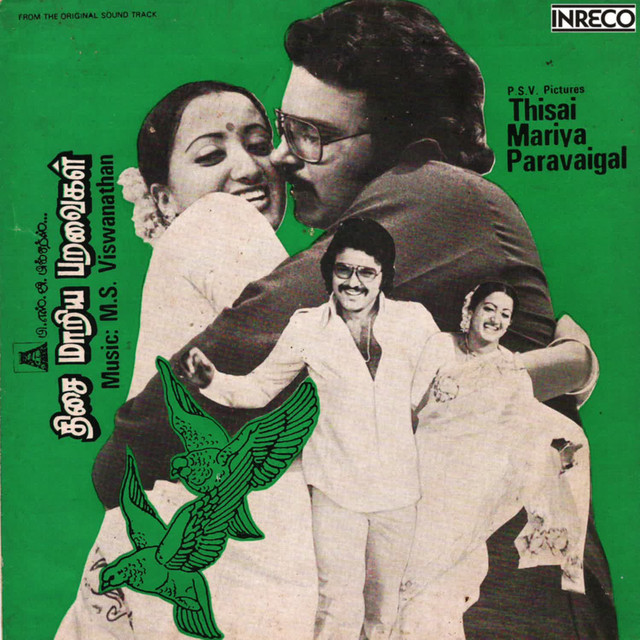
From Thisai Maariya Paravaigal · 1979

Lyricist
Ramalinga Adigalar
Singer
Dr. Balamuralikrishna
Music director
M. S. Vishwanathan
Details
Thisai Maariya Paravaigal1979

Lyrics & meaning

Tanglish lyrics English translation
Male
Arutjothi deivam enaiThe God of Graceful Divine Light, who me
Aandu konda deivamHas ruled over and accepted,
Arutjothi deivam enaiThe God of Graceful Divine Light, who me
Aandu konda deivamHas ruled over and accepted,
Male
Ambalaththae aadugindra anantha deivamThe blissful God who dances in the holy cosmic hall,
Ambalaththae aadugindra anantha deivamThe blissful God who dances in the holy cosmic hall.
Male
Arutjothi deivam enaiThe God of Graceful Divine Light, who me
Aandu konda deivamHas ruled over and accepted.
Male
Porulsaarum maraigalellaamThe God whom all meaning-laden scriptures
Pottrukindra deivamPraise and worship,
Aa…aa…aa….aa…aa…aa….Aa...aa...aa...aa...aa...aa...
Porulsaarum maraigalellaamThe God whom all meaning-laden scriptures
Pottrukindra deivamPraise and worship,
Male
Bodhaantha deivamThe God at the culmination of ultimate wisdom,
Uyar naadhantha deivamThe God at the peak of sacred cosmic sound,
Bodhaantha deivamThe God at the culmination of ultimate wisdom,
Uyar naadhantha deivamThe God at the peak of sacred cosmic sound.
Male
Arutjothi deivam enaiThe God of Graceful Divine Light, who me
Aandu konda deivamHas ruled over and accepted,
Male
Ambalaththae aadugindra anantha deivamThe blissful God who dances in the holy cosmic hall,
Ambalaththae aadugindra anantha deivamThe blissful God who dances in the holy cosmic hall.
Male
Arutjothi deivam enaiThe God of Graceful Divine Light, who me
Aandu konda deivamHas ruled over and accepted.
Male
Irutpaadu neekki oli eentharulum deivamThe God who dispels the affliction of darkness and bestows light,
Enniya naan enniyavaaruWhatever I contemplated, exactly as I wished,
Enakkarulum deivamThe God who bestows grace upon me.
Male
Irutpaadu neekki oli eentharulum deivamThe God who dispels the affliction of darkness and bestows light,
Enniya naan enniyavaaruWhatever I contemplated, exactly as I wished,
Enakkarulum deivamThe God who bestows grace upon me.
Male
Arutjothi deivam enaiThe God of Graceful Divine Light, who me
Aandu konda deivamHas ruled over and accepted,
Male
Ambalaththae aadugindra anantha deivamThe blissful God who dances in the holy cosmic hall,
Ambalaththae aadugindra anantha deivamThe blissful God who dances in the holy cosmic hall.
Male
Arutjothi deivam enaiThe God of Graceful Divine Light, who me
Aandu konda deivamHas ruled over and accepted.
Male
Therutpaadal uvanthenaiyumDelighted by my clear songs of devotion, me too
Sivamaakkum deivamThe God who transforms into divinity,
Sirsabaiyil vilangukindraShining brilliantly in the sacred hall of consciousness,
Deivamathae deivamThat supreme God is indeed the true God.
Male
Therutpaadal uvanthenaiyumDelighted by my clear songs of devotion, me too
Sivamaakkum deivamThe God who transforms into divinity,
Sirsabaiyil vilangukindraShining brilliantly in the sacred hall of consciousness,
Deivamathae deivamThat supreme God is indeed the true God.
Male
Arutjothi deivam enaiThe God of Graceful Divine Light, who me
Aandu konda deivamHas ruled over and accepted,
Male
Ambalaththae aadugindra anantha deivamThe blissful God who dances in the holy cosmic hall,
Ambalaththae aadugindra anantha deivamThe blissful God who dances in the holy cosmic hall.
Male
Arutjothi deivam enaiThe God of Graceful Divine Light, who me
Aandu konda deivamHas ruled over and accepted.

Beyond the translation

Song interpretation

This devotional hymn, composed by 19th-century saint Ramalinga Adigalar (Vallalar) and rendered by Dr. M. Balamuralikrishna in the film 'Thisai Maariya Paravaigal', is a passionate glorification of Arutperunjothi—the Divine Light of Supreme Grace. The poet expresses deep gratitude to God for adopting him as a devotee and ruling over his life. The Lord who dances in the cosmic hall of Chidambaram is revered as the ultimate end of sacred wisdom (Bodhantha) and spiritual sound (Nadhantha), praised continuously by the ancient Vedas. Furthermore, the hymn highlights the benevolent nature of the Divine, who removes the darkness of ignorance and bestows the light of wisdom. The Lord grants the devotee's desires precisely as envisioned and elevates the soul to divine Shivam through sincere song. Shining gloriously in the hall of consciousness (Sir-sabai), God is affirmed as the singular, ultimate reality.

Writing craft

Poetic devices

Refrain / Anaphora

Arutjothi deivam enai / Aandu konda deivam

The core couplet praising the God of Graceful Light who governs the devotee's soul repeats throughout the hymn to establish spiritual focus.

Metaphor (Uruvagamm)

Irutpaadu neekki oli eentharulum deivam

'Irutpaadu' (darkness) metaphorically represents ignorance and delusion, while 'Oli' (light) represents divine wisdom and salvation.

Iyaibu (Rhyme / Assonance)

Bodhaantha deivam / Uyar naadhantha deivam

Rhyming ending structures with '-antha deivam' create melodic rhythm and musical resonance ideal for classical singing.

Epiphora (Eetrumoonaai)

Sirsabaiyil vilangukindra / Deivamathae deivam

The repetition of 'deivam' at the end of consecutive lines reinforces the absolute primacy of the Almighty.

Did you know?

Trivia

This composition is originally a verse from the 'Thiruvarutpa', a holy compilation of devotional poems written by Vallalar (Saint Ramalinga Swamigal). Vallalar preached the path of Samarasa Suddha Sanmarga, which centers on divine light and compassion (Jeevakarunya). Music director M. S. Viswanathan adapted this sacred verse into the soundtrack of 'Thisai Maariya Paravaigal' (1979), featuring the soulful classical vocals of Dr. M. Balamuralikrishna.

Keep listening

More from Thisai Maariya Paravaigal